
De Beers’ Desert Diamonds: Key Points
- De Beers and Arnold Worldwide launch "Desert Diamonds," the brand’s biggest marketing investment in over a decade.
- The campaign draws from desert light and color to celebrate individuality and authenticity, a creative path legacy brands can use to stay culturally relevant.
- Pairing visual restraint with feeling enables the brand to show how emotion and craftsmanship can renew interest in a heritage product.
Every diamond tells a story, and this one begins in the desert.
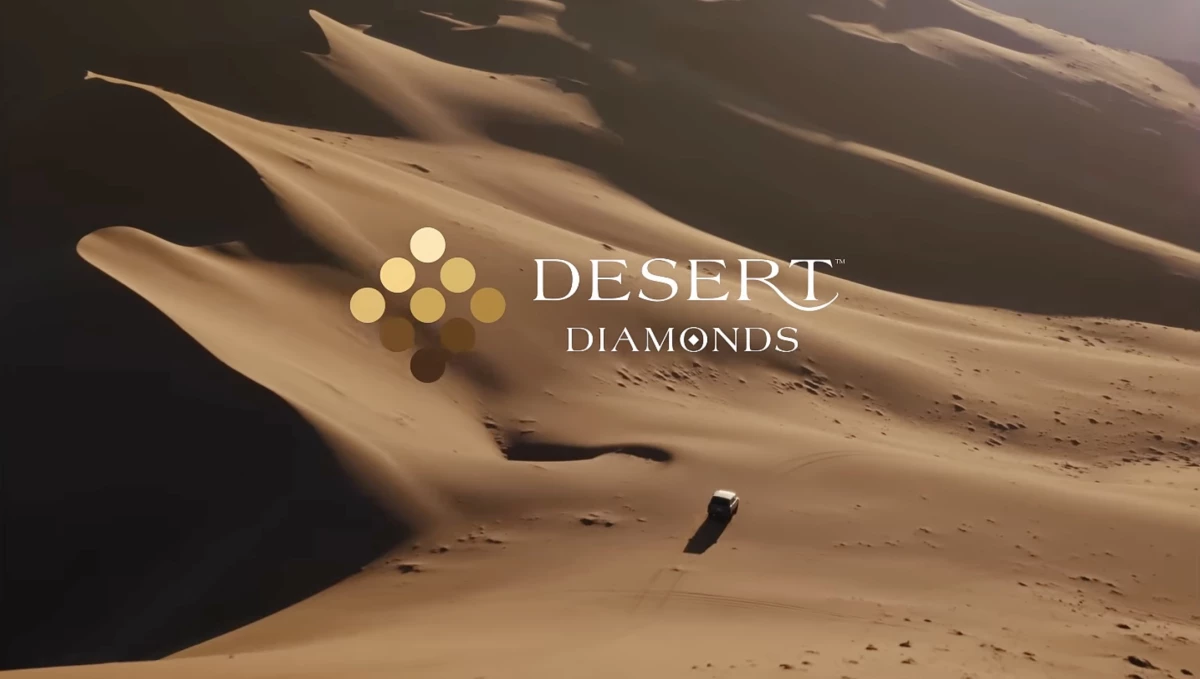
De Beers Group has introduced "Desert Diamonds," a national campaign inspired by the color and light of desert landscapes.
Created with advertising agency Arnold Worldwide, the work reframes natural diamonds, in contrast to lab-grown ones, as symbols of individuality, connection, and emotion.
Each film reflects a different form of love and personal expression, with the message, "Desert Diamonds celebrate all the shades that make her her in hues as ever-changing as the desert itself."
The campaign features three cinematic short films, "Becoming," "Unlike Anything," and "You."
The visuals are calm, human, and deeply sensory, reflecting De Beers’ push to tell quieter, more intimate stories that let the product carry its meaning.
The gems reflect the desert’s palette, echoing the beauty of nature and the personal stories behind every piece: Sunlit Whites, Radiant Champagnes, Deep Ambers, and Smoky Whiskeys.
“These diamonds were really exciting for us because of the range of unexpected shades they come in," Arnold Worldwide VP and Creative Director Lea Platz told DesignRush.
"So, there was a natural connection for us between individuality and color, which led us to the idea that the people we love, and even ourselves, deserve to be celebrated with something as unique as we are.”
De Beers draws a clear line between natural and lab-grown stones, focusing on diamonds shaped and colored by nature itself rather than artificially engineered.
A New Chapter for 'A Diamond Is Forever'
This latest campaign expands on De Beers’ "A Diamond Is Forever" platform and continues the emotional direction started with "Forever Present."
"Desert Diamonds" brings authenticity and intimacy back to the heart of the brand.
This is De Beers’ first “beacon” product in more than 10 years, arriving at a critical time for the company.
Lab-grown diamonds (LGDs) made up only a small fraction of global sales in 2015 but have expanded to roughly one-fifth of the market by 2024.
What's more, LGD prices have steadied after months of decline.
Year on year, lab diamond wholesale prices of three-carat rounds are down 38%. This is a deep dive, but a slowdown from the 50% decline they suffered in Q2. However, they lost just 2% since July.
— Edahn Golan 🎗️ (@edahn) October 17, 2025
This is to show that, at least for now, their prices are flattening. pic.twitter.com/rvtahcg5Sa
This is good news for consumers, who now have access to lower, more stable prices, but it’s negative for De Beers and other natural diamond producers.
Cheaper-priced lab-grown stones create sustained pressure on the perception of value for natural diamonds, especially in the mid-market.
However, recent research cited by Forbes shows that affluent buyers still value natural diamonds more than lab-grown ones.
In an ACRC survey of 938 respondents, 78% of affluents and 75% of the general population said natural stones felt meaningful because they “connect to heritage and tradition.”
And this sentiment anchors "Desert Diamonds."
"With this effort, our ultimate goal is to remind people that natural diamonds are the most meaningful, emotionally intelligent symbols that feel alive, contemporary, and totally unique,” Sally Morrison, natural diamonds market lead at De Beers Group, said.
Building Desire Through Authenticity
De Beers and Arnold Worldwide focus on what cannot be copied: nature, time, and origin.
Instead of competing on price, they center emotion and craftsmanship as the core of value.
Arnold’s Group Creative Director Donnell Johnson described the work as a series of "love letters” celebrating individuality and connection.
Over the past two years, desert-hued diamonds have generated about 450 million digital views and 250,000 mentions.
“We are seeing desire for unique, characterful diamonds growing everywhere, from celebrity engagements to everyday style," Sandrine Conseiller, De Beers Brands & Diamond Desirability CEO, shared.
More and more people want a diamond that reflects their own story, something truly individual to mark the most precious moments in their life."
The campaign’s rollout through Jared Jewelers, Kay Jewelers, and independent retailers aligns with the peak buying season from the holidays to Valentine’s Day.
De Beers combines research with restraint, using cultural storytelling to rebuild desire and focusing on restoring meaning to natural beauty.
Here's how other brands can replicate this:
- Build around truth. Consumers connect to genuine stories about craft and origin.
- Design for emotion. Mood and tone can speak louder than literal messages.
- Reimagine legacy. Updating classic ideas keeps heritage alive for new audiences.
These lessons show that emotional honesty remains the most enduring form of innovation.
Our Take: Why Does Emotional Storytelling Still Work in Luxury?
I think "Desert Diamonds" works because it’s personal without trying too hard to be poetic.
The campaign slows things down, trusting quiet emotion and brand storytelling to say more than perfection ever could.
It makes you stop, look, and feel something real again. It tells me why beauty still matters when it feels honest.
Similarly, Nicky Hilton and Theo Grace recently launched their own jewelry line inspired by personal stories.
Heritage evolves when truth guides the story. These top partners help legacy brands modernize while preserving what makes them authentic.