
Key Marketing Takeaways:
Ensure unified messaging across platforms to build trust and recognition, but keep in mind user differences for creative.
Leverage each platform’s unique advantages to create a seamless journey.
Continuously optimize campaigns based on data insights for smarter decision-making and better ROI.
In 2025, consumers interact with nearly six brand touchpoints before making a purchase, with half of consumers regularly using more than four, according to a recent study by Knexus.
That number is only expected to grow, along with expectations for seamless brand experiences.
Success today isn’t about just showing up across channels. It’s about seamlessly planning your creative, messaging, and data to guide customers from first impression to conversion.
This shift demands a holistic approach. Brands must go beyond tactical execution and begin aligning every touchpoint with a cohesive, data-informed strategy — and that’s where agencies like Neon Growth come in.
Neon Growth is a growth agency that helps brands make shifts toward cross-channel strategies built for trust, adaptability, and performance.
Editor’s Note: This is a sponsored article created in partnership with Neon Growth.
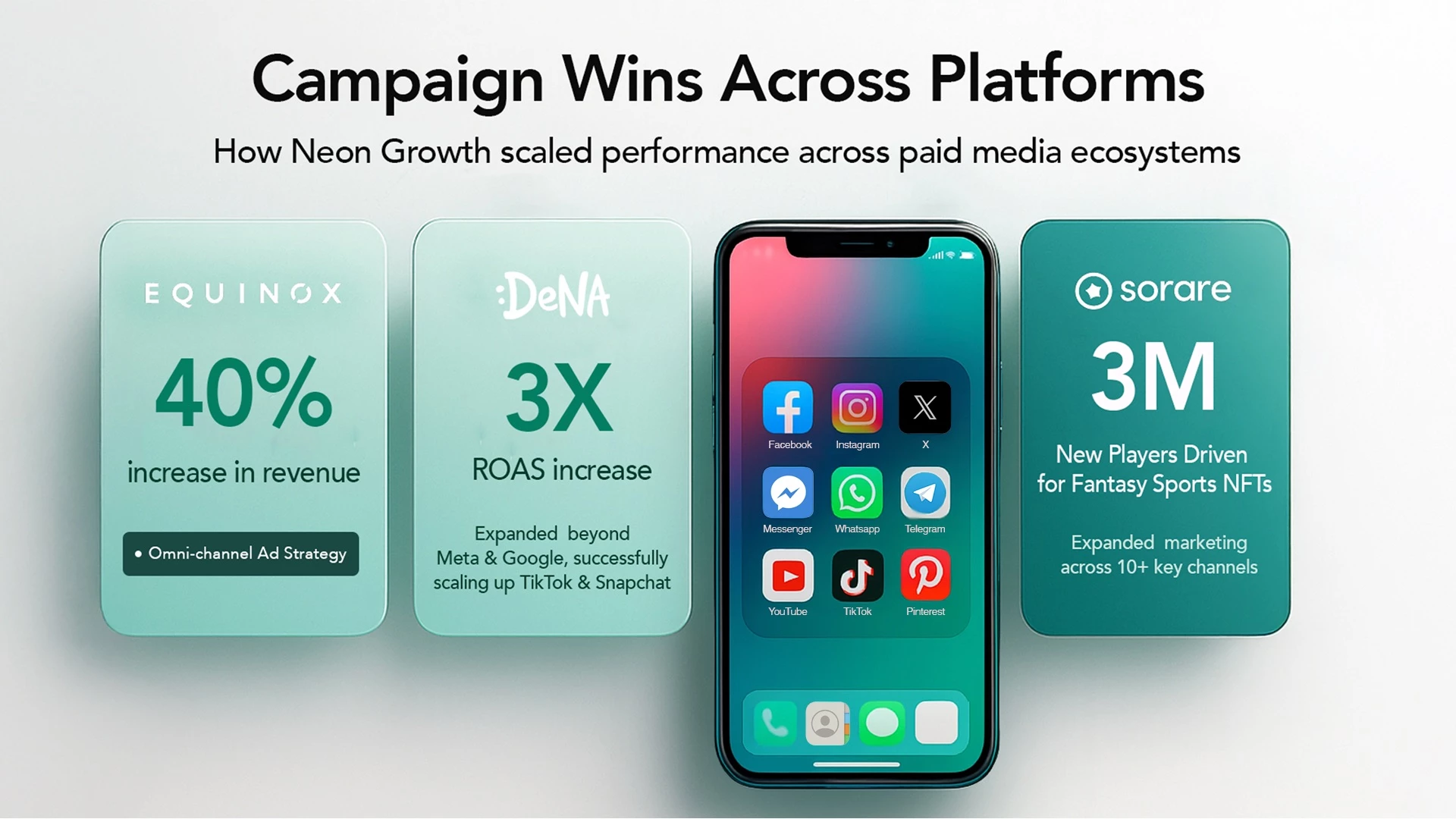
With expert guidance, brands can produce integrated campaigns that create:
- Brand consistency
- Consumer relevance
- Efficient budget allocation
- Improved tracking
- Increased ROI
These must-do fundamentals foster connection, trust, and user action that contributes to lasting brand success. Keep reading for key practices for ensuring long-term brand success.
Unified Messaging Across Channels
Integrated campaigns excel at delivering consistent messaging, no matter where your audience encounters the brand.
No matter where a customer interacts with your brand— be it through a Facebook ad, an Instagram post, or a blog on your website — the core message should remain aligned.
This consistency helps build brand recognition and trust, which are essential for brand loyalty and long-term success.
Fragmented messaging can lead to confusion or disengagement. However, brands should adapt their creatives to feel relevant to each channel. Each channel also has slightly different audiences and user behaviors to consider in creative strategies.
When your messaging aligns seamlessly and feels relevant to the placement, customers feel more confident in their interactions with your brand. This makes it easier to guide them along their journey toward conversion.
Leveraging Platform Strengths
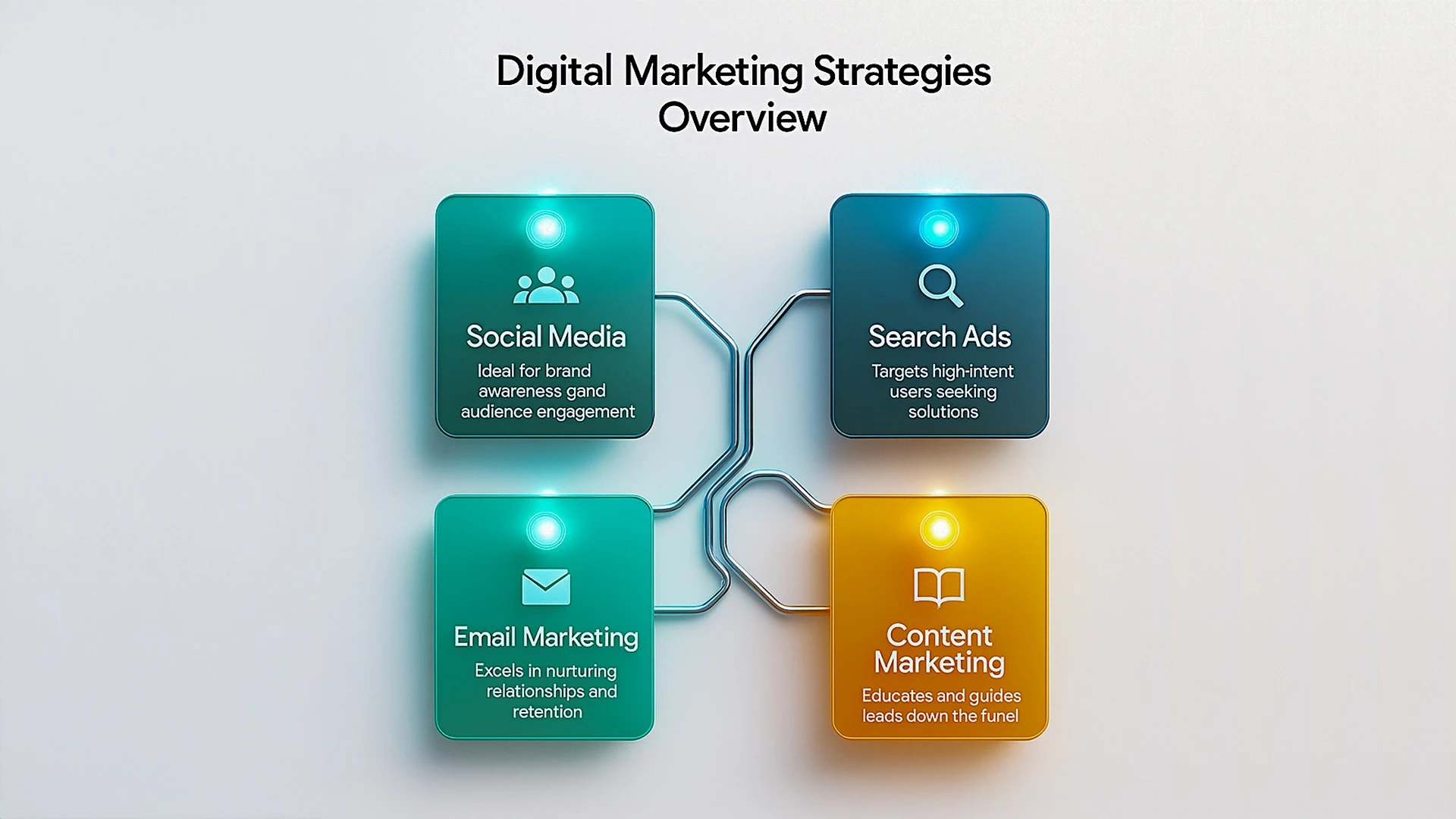
Different platforms offer unique advantages, and knowing how to leverage each one effectively is crucial for success:
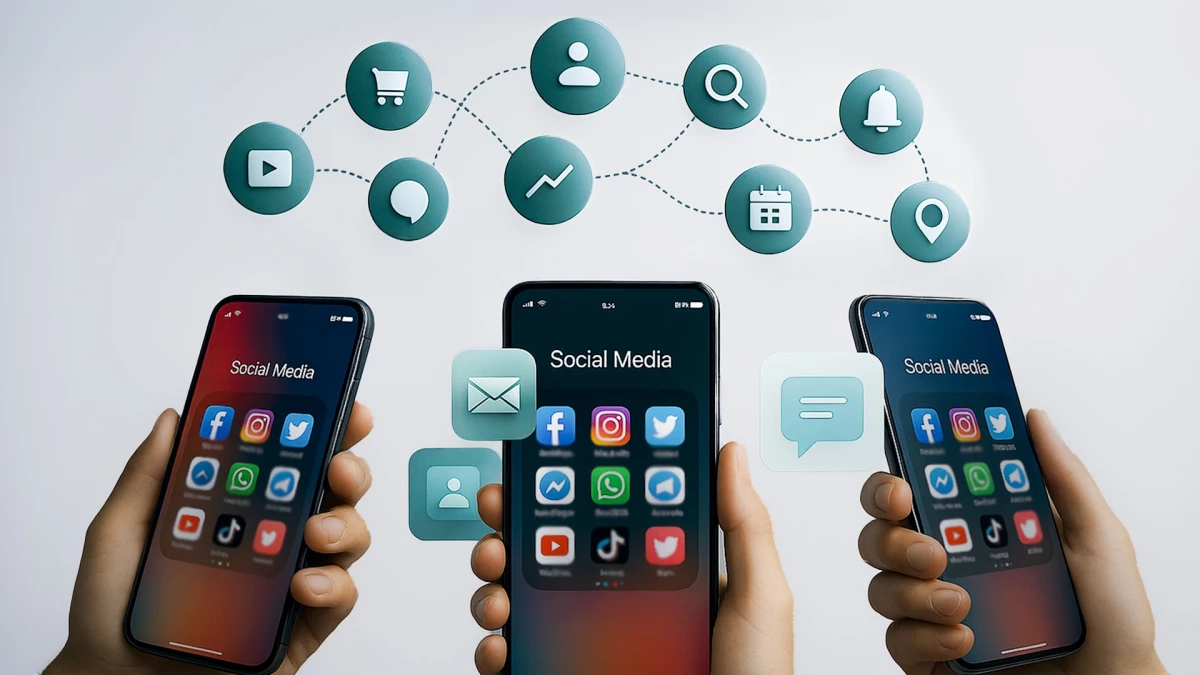
- Social media: Great for brand awareness and wide engagement
- Search ads: Capture high-intent buyers at decision stage
- Email marketing: Nurture loyalty and drive retention
- Content marketing: Educate and guide users down the funnel
“When you’re entering a new channel, start first with audience and competitor ad analysis. What are people coming to this platform to do? What type of content is your target user engaging with? How do your competitors show up? Understanding these basics help position your brand to stand out,” said Rosie Osmun, COO at Neon Growth.
The future of brand success lies in utilizing each channel’s capabilities to guide consumers through their journey in a way that feels natural and seamless.
Understanding how each platform can work in harmony helps ensure that your brand’s presence is cohesive, relevant, and compelling no matter where the customer interacts.
Continuous Optimization and Data-Driven Decisions
To stay competitive, businesses must focus on continuous optimization.
Regularly analyzing data across all platforms allows marketers to make informed decisions about where to allocate resources and which strategies are most effective.
This ongoing process allows you to adjust your campaigns to boost performance and ensure alignment with your business objectives.
Data-driven decisions enable brands to quickly pivot and adapt to emerging trends and opportunities, ensuring that their marketing efforts are always relevant and timely.
Marketing is about timing, relevance, and adaptability — delivering the right message at the right moment to maximize ROI.
Creative Optimization Across Channels
Creativity plays a key role in cross-channel campaigns, but the key is optimizing your content for each platform to drive maximum engagement.
While your core message should remain consistent, the creative execution needs to fit each platform’s format and audience.
For example, a 30-second Instagram video ad will look different from a YouTube video or a Facebook ad.
Optimizing your creative assets for each platform’s unique format and user behavior improves engagement and creates a more memorable brand experience.
Cross-channel marketing success relies on making sure your content resonates with your audience on each platform, meeting them where they are and in the way they expect.
Achieving Success through Integrated Campaigns
The future of brand success lies in how well businesses integrate their marketing efforts across touchpoints.
The key to staying relevant and achieving sustained growth is aligning your creative, messaging, and data to create seamless, personalized experiences for your customers.
“The missing piece for many brands when it comes to multi-channel strategies is data they can trust. We help our clients build trustworthy data architecture and media mix modeling, so every one feels more confident in decisions,” said Dan Sava, founder of Neon Growth.
“Calculating the impact of each channel and campaign on target KPIs is fundamental to efficient scaling.”
Partnering with experts like Neon Growth helps you create smart, well-rounded campaigns that work across different platforms. This way, your message stays consistent, flexible, and true to your brand while making a bigger impact.
This approach ensures that you're not just reaching your audience but creating a cohesive, dynamic brand presence that evolves with the customer journey.