
Jack Hughes x Colgate: Key Findings
- Jack Hughes lost parts of two front teeth after a high stick in the Olympic gold medal game, then scored the overtime winner.
- Images of Hughes celebrating with a chipped smile spread rapidly, becoming one of the defining visuals of the 2026 Winter Games.
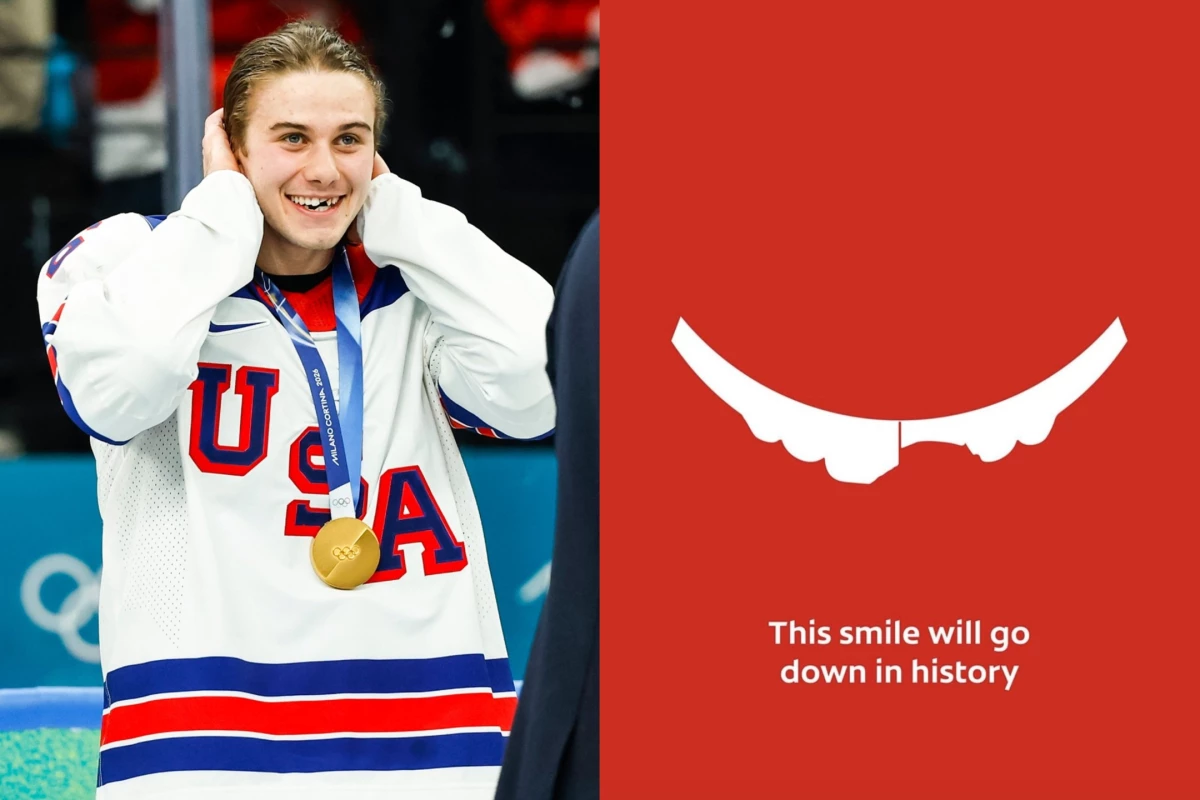
- Colgate responded with real-time creative referencing his smile, connecting its category to a moment dominating sports coverage.
An Olympic gold medal was decided in overtime, and the image that stayed in fans' minds is a wide grin with two chipped front teeth.
New Jersey Devils center Jack Hughes took a high stick from Team Canada’s Sam Bennett in the third period of the Olympic final in Milan, losing pieces of his two front teeth.
The 24-year-old returned to the ice and scored the game-winning goal less than two minutes into overtime, securing the U.S.’ first men’s Olympic hockey gold since 1980.
The jagged smile full of joy during the team's celebration traveled fast and wide.
Broadcast replays looped it. Screenshots spread across X and Instagram. And within hours, it became shorthand for toughness and triumph.
Hughes later told NBC 5 Chicago, “I’m gonna fix these things. I want my good smile back.”
This line opened a lane for Colgate to interject, with the story now moving from the goal to the toothless grin.
The Image That Carried the Story
Hughes is a former No. 1 overall NHL draft pick and three-time All-Star.
He entered the Milano Cortina Games as one of Team USA’s most dynamic scorers, finishing among the tournament’s leaders with four goals.
He took the high stick from Bennett in the third period, left the ice bloodied, then returned and scored the golden goal 1:41 into overtime.
Hughes was already a recognizable face, especially to hockey fans.
The timing amplified everything, showing immediately how resilience pays off in the world of sports and becoming one of the defining visuals of the 2026 Winter Games.
The missing front teeth added vulnerability to the heroics, converging pain and triumph into one image that fans instantly understood.
Colgate’s response acknowledged what audiences were already circulating and tied the brand to a real headline.
Colgate's ad for Jack Hughes, who lost his teeth to a high stick during the USA's Olympic gold medal victory. pic.twitter.com/D6LcwgblKF
— Front Office Sports (@FOS) February 24, 2026
Viral moments like this rarely follow a media plan. They emerge from raw, unscripted emotion that audiences decide to carry forward.
Brands that stay alert and move fast can participate in this viral momentum, but only if they understand that the spotlight belongs to the athlete first and the product second.
The Window of Relevance
Viral moments like this move fast, and the opening for brands is smaller than it looks. Here's what marketers can do:
- Move inside the existing narrative. Join what audiences are already talking about instead of redirecting it.
- Match tone to context. Light support works when it carries emotional weight.
- Act within the same news cycle. Cultural relevance narrows quickly once highlights turn into recaps.
Keep in mind that brand presence only works when it arrives at the time when attention is at its highest, and the audience is still emotionally invested.
Our Take: Why Did This Moment Break Through?
We think it came down to one impression. Viewers saw blood, resilience, and a gold medal celebration.
It felt raw and human at a time when major sporting events are often wrapped in production polish.
All Colgate needed was the smile, which has always been associated with its brand, to connect to the viral moment.
And we feel that the way the brand did it was in a very organic way that didn't commercialize the entire experience.
It didn't even slap its logo on the post. Because its identity fit so naturally with Hughes' toothless smile, no explanation was needed.
In other news, FUZE Iced Tea ran its Canadian fan campaign throughout the Winter Olympics, keeping it active across broadcast, digital, and retail through the final events.
Brands planning real-time sports activations often partner with top agencies experienced in live cultural timing and earned media strategy.