
Backstreet Boys in Super Bowl Ads: Key Findings
- Coinbase stripped the Backstreet Boys down to karaoke text, prioritizing lo-fi memorability over calls-to-action amid regulatory pressure.
- T-Mobile featured the band performing live with reimagined lyrics integrating product benefits like Netflix inclusion and free Slurpees.
- Both brands targeted millennials, who represent 28.3% of U.S. retail spending and respond 59% more positively to nostalgic advertising.
The Backstreet Boys appeared twice during Super Bowl LX, all without performing at halftime.
Two major advertisers, Coinbase and T-Mobile, both built campaigns around the iconic '90s boy band during the same broadcast.
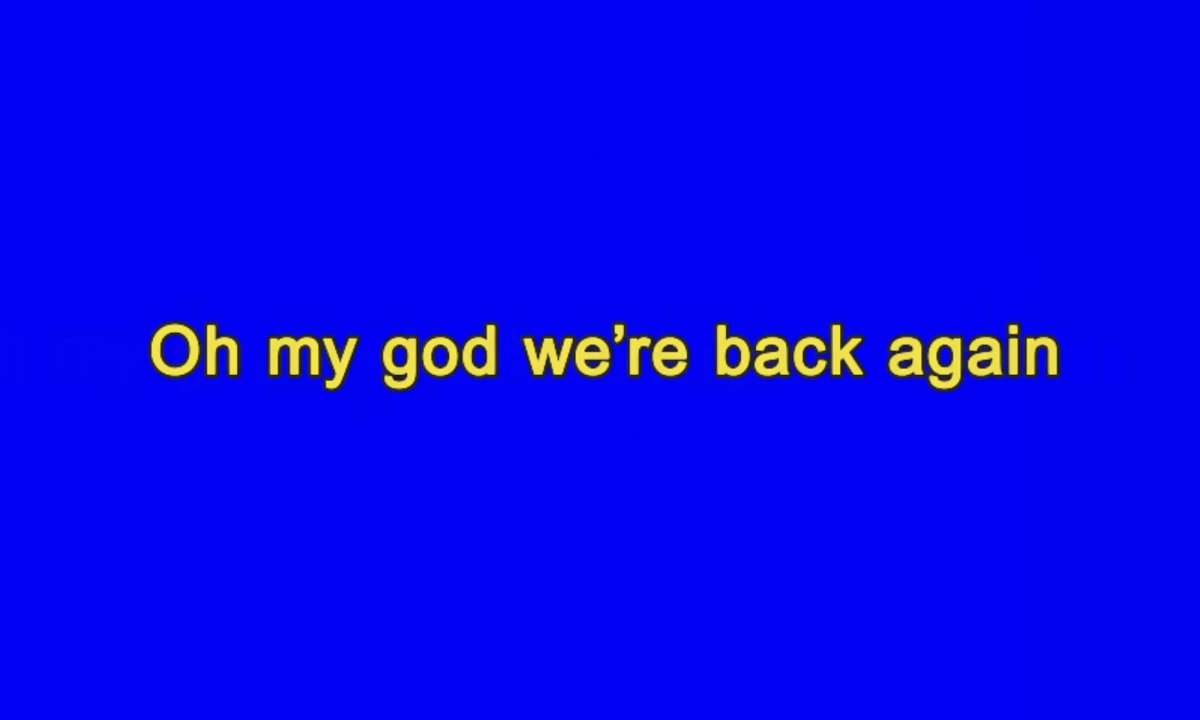
Coinbase aired a 60-second karaoke-style spot featuring animated lyrics from "Everybody (Backstreet's Back)."
Meanwhile, T-Mobile featured the band performing a reimagined version of "I Want It That Way" in a Times Square store takeover.
Both campaigns leaned heavily on millennial nostalgia, though each took different creative approaches and faced different audience feedback.
The overlap created an unexpected case study in how nostalgia marketing works when competing brands target a cultural touchpoint at the same time.
Coinbase Karaoke Draws Mixed Response
Coinbase's 60-second spot stripped the Backstreet Boys down to text, displaying animated lyrics from "Everybody (Backstreet's Back)" and inviting viewers to sing along karaoke-style.
Produced by creative agency Isle of Any, the spot used a distinct lo-fi aesthetic that intentionally avoided the polished production typical of Super Bowl advertising.
Coinbase also extended the campaign outside of the broadcast, taking over Times Square with simultaneous karaoke displays and running the ad on the Sphere's Exosphere in Las Vegas.
Marketing Chief Catherine Ferdon told Variety the goal was to "bring people together for a shared experience that highlights how the crypto community has grown."
The ad marked Coinbase's Big Game appearance since 2022, when its bouncing QR code commercial generated 20 million hits in one minute and crashed the platform's website.
Viewer reactions split dramatically once the Coinbase logo appeared.
Axios reporter Andrew Solender wrote that the room he was in "burst into groans and shouts of" profanity after the ad aired.
Another viewer posted that "the room I'm in ERUPTED in boos when we found out it was a Coinbase ad."
Others reacted positively, with Ethereum Foundation engineer Chase Wright noting that "half of the people at the party I was at were singing along and laughed when it was Coinbase."
I loved the idea for our Super Bowl ad as soon as the team showed it to me. It's unique, just like our QR code ad in 2022.
— Brian Armstrong (@brian_armstrong) February 9, 2026
Most people half watch commercials (buzzed, in a loud room, with lots of people). It takes something unique to break through.
Turning 100M+ screens into… https://t.co/tWIgK8Xpwa
Meanwhile, Coinbase leaned into the polarized response.
CEO Brian Armstrong defended the strategy on X, arguing that Coinbase's unique approach was necessary to grab attention amid the other Big Game spots.
Messari enterprise research manager AJC also called it "a perfect microcosm of why everyone hates crypto."
"It took something universally loved, slapped 'crypto' on it, and prayed the emotional hijacking would work," AJC added.
T-Mobile Brings the Band to Times Square
T-Mobile took a different approach, featuring the actual Backstreet Boys performing live.
The 60-second spot was directed by Steve Pink, produced by Panay Films, and led by "Wedding Crashers" producer Andrew Panay.
It showed the band ironically also in Times Square, though this time in a store.
The band is seen bursting through a T-Mobile-branded display to surprise real customers with a reimagined version of "I Want It That Way."
"Tell me why it's America's best network, tell me why Netflix is included, and lots of perks," they sing, weaving T-Mobile's value propositions into the familiar melody.
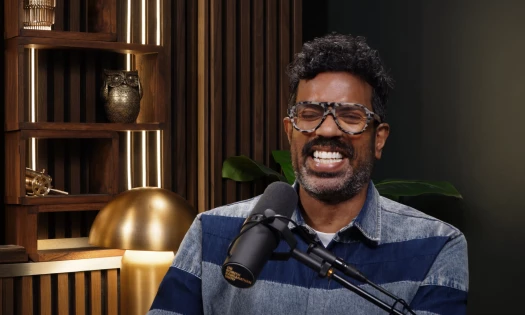
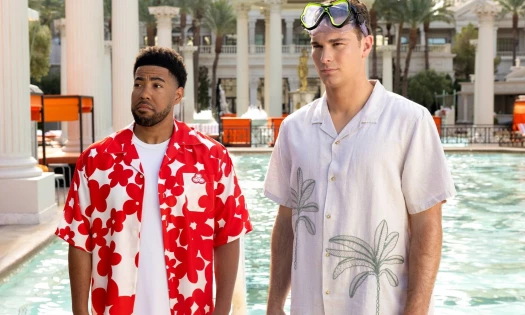
Comedian Druski and actor-influencer Pierson Fodé make cameos, with Machine Gun Kelly appearing in an unexpected ending.
The ad also includes product demonstrations, with AJ McLean promising a monthly free 7-Eleven Slurpee and Brian Littrell getting blown offstage by a fan.
The idea was conceived when Panay saw the Backstreet Boys perform at The Sphere in Las Vegas last summer and immediately contacted T-Mobile.
He then secured the song rights before other brands could bid and convinced the band to appear in the ad itself.
The spot marked T-Mobile's 13th consecutive Super Bowl appearance and aired during the second quarter.
Both campaigns demonstrated contrasting strategies that brands can follow for next year's Big Game:
- Strip out direct calls-to-action under regulatory scrutiny: Coinbase went from its 2022 QR code that offered $15 in Bitcoin to simple karaoke text, sidestepping the incentive offers that draw regulatory attention.
- Lock down music rights before competitors can enter: T-Mobile's Andrew Panay grabbed "I Want It That Way" early, shutting out other brands from using the same song.
- Hit millennials while they're in peak earning mode: Both campaigns targeted millennials during their highest-spending years, when nostalgia for '90s culture carries the most purchasing power.
Research indicates that both millennials and Gen Z engage positively with retro advertising, with younger consumers drawn to throwback branding even without firsthand experience of the era.
Our Take: Are Millennials Driving the Nostalgia Economy?
I think seeing the Backstreet Boys in recent ads reflects how brands are targeting millennials entering their peak spending years.
They were one of the most popular musical acts of the 90s, and are a recognizable band that they associate with childhood memories.
Millennials now control $2.5 trillion in spending power globally and represent the largest generation in the U.S. workforce.
This makes '90s nostalgia truly valuable as this demographic hits ages 30 to 45.
Gen Z also has a current fixation with Y2K nostalgia despite not having lived during the time, making Backstreet Boys campaigns appealing across multiple generations.
Brands deploying these initiatives are converting shared cultural memories into measurable purchasing behavior during advertisers' most expensive moment.
In other news, Dunkin' also enlisted a cast of '90s legends in its Super Bowl campaign, reflecting the wider trend of brands activating decade-old cultural memories to capture attention.
Brands targeting audiences with nostalgia-driven campaigns need agencies that understand generational spending patterns and cultural touchpoints. Explore top advertising agencies in our directory.