
Coca-Cola's 2026 Lunar New Year Campaign: Key Findings
- The soda giant pairs a unified regional identity with culturally rooted, country‑specific activations.
- Interactive products and music-led experiences aim to connect tradition-focused elders with Gen Z’s participatory celebrations.
- Integrating the festive creative with retail partners and digital platforms helps connect storytelling to seasonal purchases.
Coca‑Cola is taking a rare regional approach to celebrate the Lunar New Year.
The soda giant keeps the same festive look across markets, then adapts the creative locally so both Gen Z and older audiences see themselves in the holiday.
Coca‑Cola created a unified festive identity across Vietnam, Singapore, and Malaysia while giving each market room to tell its own cultural story.
The campaign aims to bridge what Coca‑Cola sees asa common celebration gap.
This refers to longstanding traditions cherished by older generations and younger consumers’ desire for modern experiences.
“Our ambition with Lunar New Year this 2026 was to create a regional campaign that honours shared traditions while celebrating the unique cultural stories of each market.
That way, people everywhere can not only just enjoy the celebrations, but co‑create them, shaping their own moments of happiness,” said Ying Ling Poh, Marketing Director for Coca‑Cola Meals in ASEAN & South Pacific.
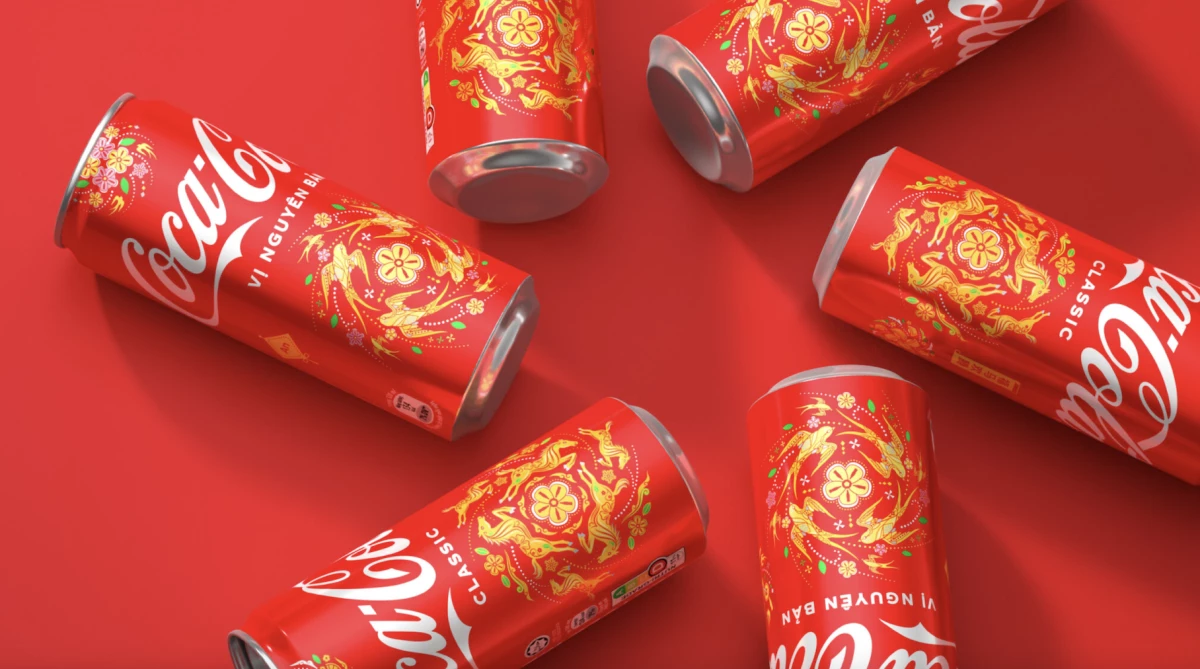
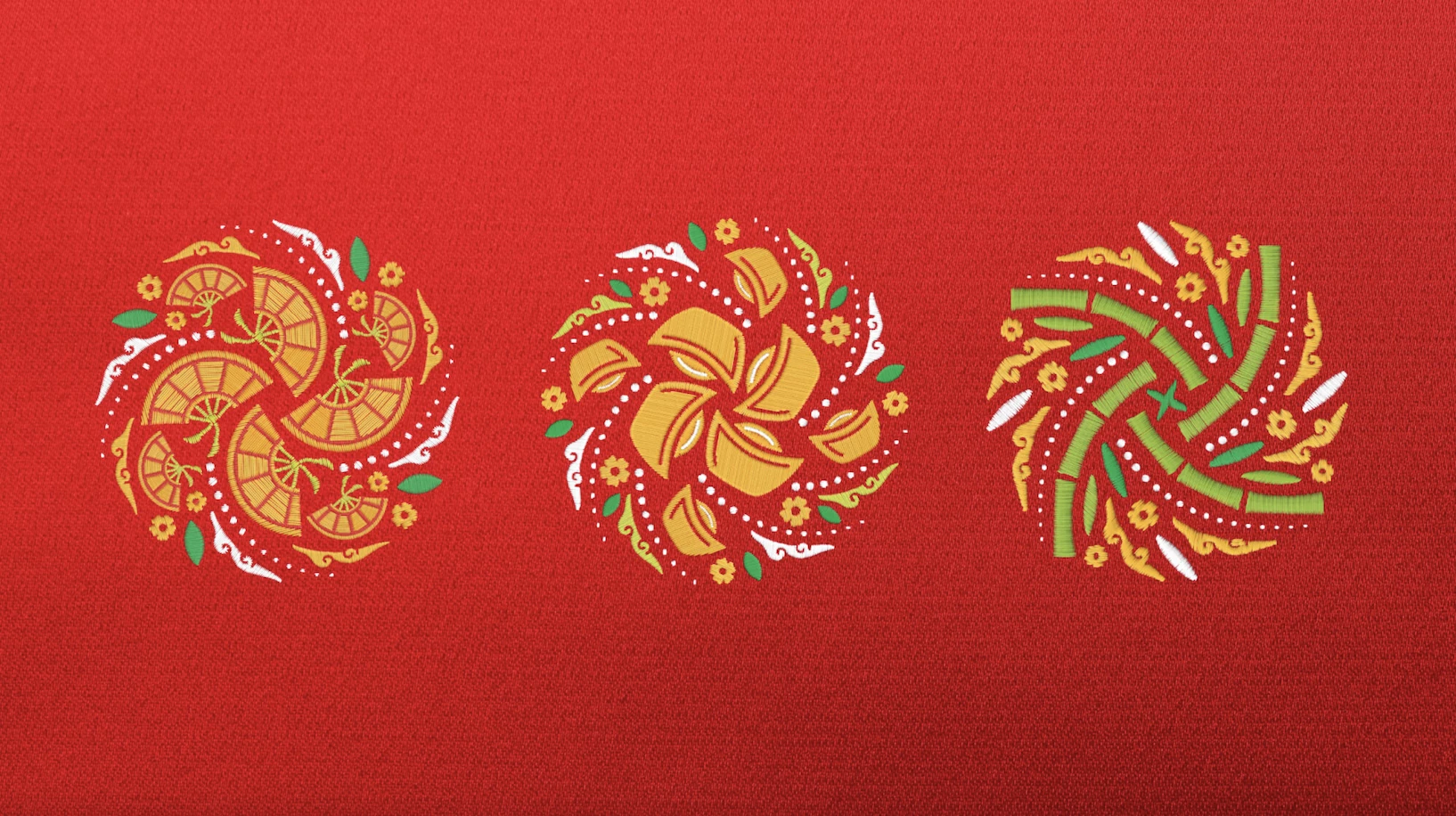
Across the region, Coca‑Cola’s festive design appears on packaging, retail displays, and digital efforts, mixing symbols like fireworks with elements drawn from local craft traditions.
These range from Chinese embroidery, Vietnamese brocade, and Peranakan beadwork.
Lisa Balm, ECD at design partner Elmwood Asia, said the team focused on shared symbols that could translate across markets while retaining their local cultural depth.
“By focusing on shared symbols and reimagining them through the artistry and cultural depth of Asian craftsmanship, we created a single visual language that successfully translates across Tet and Lunar New Year,” she said.
How the LNY Efforts Manifest
In Vietnam, the theme “Dệt Nên Tết Mới” (“Weave a New Tet”) invites young people to reshape traditions with interactive product moments.
Tet is the Vietnamese Lunar New Year, a multi-day holiday centered on family reunions, ancestral rituals, and the symbolic reset that marks the start of spring.
Coca‑Cola’s “Half‑Half Tablecloth” turns the dining table into a symbolic bridge between classic Tet meals and global flavors that younger consumers seek.
Meanwhile, Drinkable Pháo can decorations play on the sounds of firecrackers to spark moments of creativity at home.
The brand also modernized the red envelope tradition with AI features that let Gen Z give meaningful, digital “Lì Xì from the heart” gifts like bespoke art or photos, rather than cash.
In Singapore and Malaysia, where music is a major social connector during the season, the campaign centers on an original Lunar New Year anthem.
It was developed with local artists to combine modern genres with traditional orchestration.
The music video features combined moments of modern and classic practices, from stylized calligraphy to blind box gifts.
Coca‑Cola also brings immersive experiential activations to key public spaces, where families can enjoy calligraphy, fortune‑telling, and contribute their own takes on the anthem.
Across all markets, the brand integrates partner platforms such as Grab and eCommerce retailers to help shoppers encounter festive campaigns upon purchase.
Ultimately, the collective effort ties creative storytelling back to tangible sales touchpoints, an integral part of Coca-Cola's brand marketing strategy.
Lessons From Coca‑Cola’s Regional Festive Push
Coca‑Cola’s 2026 Lunar New Year campaign shows us how to activate a consistent regional identity while respecting localized cultural nuances.
- Design systems should unify visuals across markets but leave space for culturally specific storytelling that feels authentic.
- Interactive product elements and participatory experiences can help bridge generational divides in heritage celebrations.
- Integrating creative platforms with retail partners and everyday touchpoints helps campaigns move from awareness to action.
In 2025, Coca‑Cola Company reported nearly $48 billion in annual revenue, showing its scale as a global beverage leader.
PepsiCo’s market cap has swung more sharply in recent years, while Coca-Cola’s steadier rise reflects stronger investor confidence in its core beverage business.
At $196.84 billion in 2025, PepsiCo remains a major rival, but the valuation gap shows that the market views Coca-Cola’s brand and earnings as more stable.
Our Take: Can Coca‑Cola Reconnect Traditions With Today’s Celebrations?
Following the brand's controversial AI-made holiday spots, Coca-Cola had other, more human-centered tricks up its sleeve.
Its Lunar New Year effort shows how big brands can treat cultural festivities as more than seasonal advertising.
I’ve seen how meaningful participation can amplify emotional connection far more than a single ad ever could.
Inviting co‑creation and playful interaction, especially between generations, allows the brand to make itself part of the celebration.
Still, it’s in the execution on the ground where this approach will be tested. If families don’t feel invited, the best design in the world won’t matter.
In other news, Pepsi recently teamed up with local SF eats for an activation that aligned with the Super Bowl weekend.
Brands building competitive campaigns need partners who understand when provocation strengthens positioning.
Take a look at the top creative agencies in our directory.