
Clairol spent decades asking women a question about their hair. Now, the brand is letting them answer.
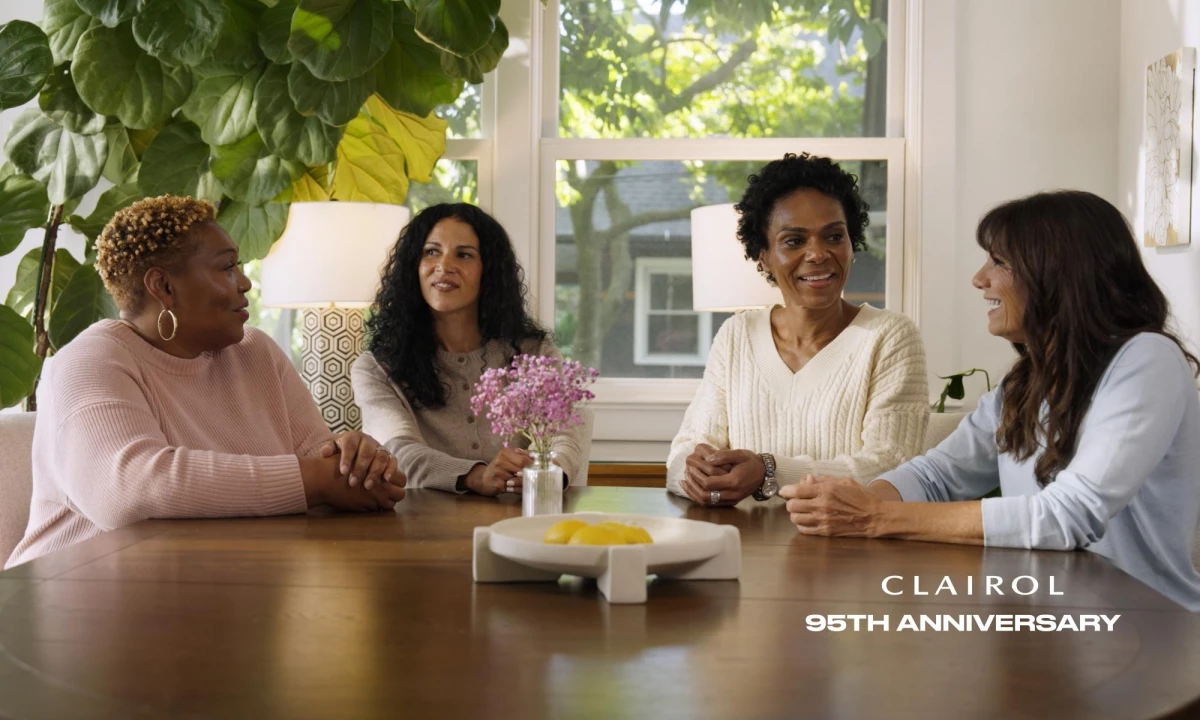
The hair-color brand marks its 95th anniversary on October 21 with "She Does," a short documentary featuring four longtime customers.
The film revisits Clairol's iconic "Does she or doesn't she?" slogan from 1956. At the time, women often kept hair coloring private.
Today, the campaign celebrates women who openly discuss their beauty choices, whether they cover their gray hair or embrace it.
"Our 95th anniversary felt like the right moment to revisit a question that's been part of Clairol's story for decades and celebrate how much beauty culture has changed since then.
"With 'She Does,' we're celebrating the women who have grown with us while thinking about how Clairol can continue to evolve alongside the next generation," Caitlin Yacey, Head of Clairol Marketing, told DesignRush.
The film features women whose relationships with Clairol span decades, connecting the brand's history to personal stories.
The brand's 95th anniversary gives one of its most recognizable taglines a new purpose, with longtime customers providing the answer.
Four Longtime Users Put Their Shades on the Record
"She Does" centers on four real Clairol users who discuss their hair, their lives, and the shades they have trusted for years.
Bettylynn Koules has used Clairol for more than 30 years. She now relies on ColorStrong Medium Brown after years with Nice'n Easy.
Paula Leland uses Textures & Tones in Silken Black to cover her gray hair, and her story reflects a personal choice about how she wants to present herself.
Erin Rieselman credits her hairstylist mother with introducing her to at-home hair color. She continues the ritual with Nice'n Easy Soft Black.
Debra Leland turned to Textures & Tones in Honey Blonde while rebuilding her confidence after surviving cancer.
The film opens by identifying each woman and her preferred shade.
Individual portraits also follow the women through their daily lives and hair-coloring routines.
Rieselman describes the freedom to color hair or embrace gray as part of a wider change in how women approach beauty.
"I think the beauty of the dichotomy of being able to do both as a woman without that external criticism is the goal," she said.
Clairol will distribute the film through its owned social channels, supported by social and creator partners.
Viewers trust a woman who's bought the same box for 30 years, and this trust is the whole point of Clairol's brand storytelling.
A 1956 Slogan Broke the Hair-Color Taboo
Clairol arrived in the U.S. in 1931, when chemical broker Lawrence Gelb bought the hair-color formula in Europe to market stateside.
Then, the 1956 launch of Miss Clairol made one-step hair color something that women could do at home.
The iconic "Does she or doesn't she?" ad line debuted the same year, when women often faced social stigma for coloring their hair.
The anniversary film revisits this history through four customers and showcases the loyalty the brand nurtured over the years.
Heritage strengthens a brand strategy most when longtime customers can still see themselves in the story.
"Years ago, we asked a question the world wasn't ready to answer out loud yet," Yacey added.
"We didn't make this film to tell their story. We made it to let them tell ours finally."
Clairol's history and the new documentary offer three lessons for brands revisiting established identities:
- Familiar slogans can gain new meaning. Brands should revisit recognizable lines to connect their heritage with current customer attitudes.
- Customer stories make brand history personal. Teams should feature real experiences tied to specific products to give long-term loyalty a human context.
- Personal choice can widen a brand's appeal. Marketers should acknowledge different customer preferences to connect with audiences who define beauty in different ways.
Clairol's anniversary campaign gives its legacy a present-day purpose by letting customers explain what the brand means in their own lives.
Our Take: Can a Hair Dye Brand Champion Going Gray?
Clairol's 1956 ads sold discretion, promising color so natural that "only her hairdresser knows for sure."
We'd say that the brand can champion going gray, as long as it's ready for some longtime customers to stop buying its products.
Demand for gray coverage is still huge, with Pew Research finding in 2025 that 52% of Americans have dyed their hair to hide grays or would consider it.
Patagonia faced a similar conflict in 2011, when it ran a Black Friday ad in The New York Times telling shoppers "Don't Buy This Jacket."
Shoppers rewarded a brand willing to argue against its own product, and Patagonia's sales hit new highs in the years that followed.
Clairol can earn the same trust if its shelf ads treat gray as a choice as openly as the film does.
A brand that made its name on keeping the secret now has to show it can live with the honest answer.
Apple's 50th anniversary campaign faced a version of this test, asking longtime fans what its decades-old identity still means to them.
Brands looking to connect heritage with present-day customer expectations can work with these top brand strategy agencies to develop a positioning that lasts.