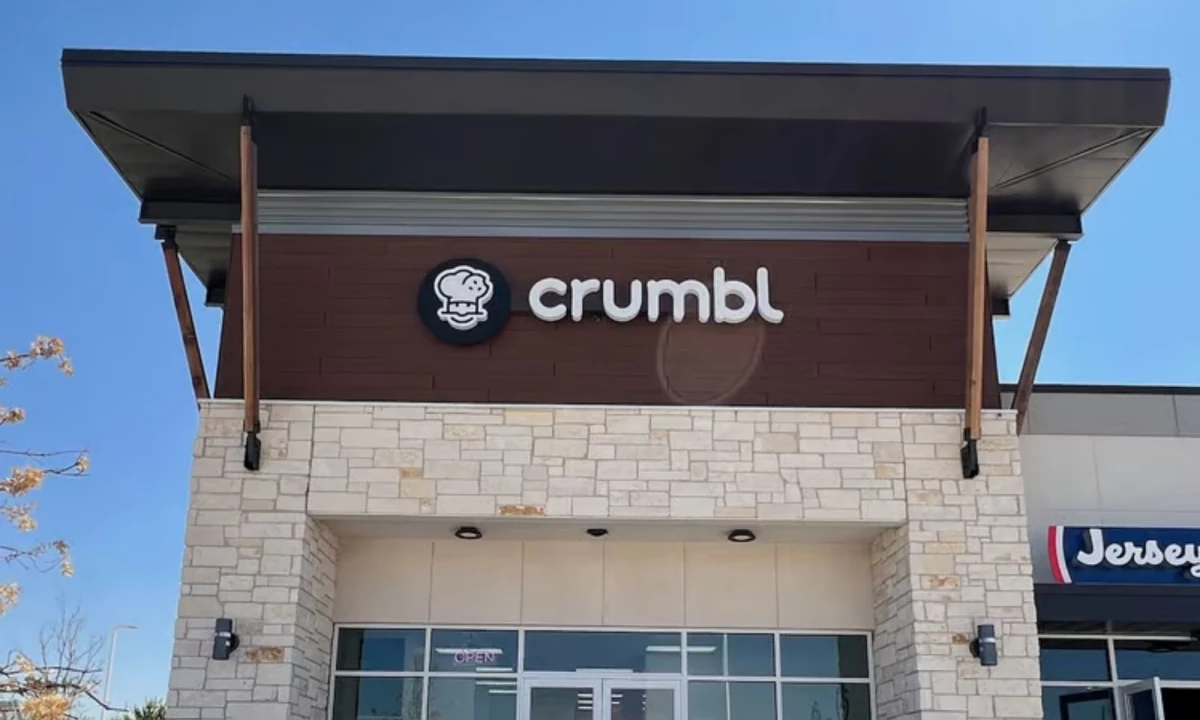

Crumbl built a billion-dollar cookie business on weekly flavor drops and social media attention.
Now, the chain is rolling out a $1.99 deal on October 23 to bring customers back, pairing a 24-ounce zero-sugar Dirty Soda with a Chocolate Chip Thin.
Crumbl is promoting the combo as a 170-calorie option, according to Restaurant Business.
The price marks a sharp change for a brand known for oversized, premium-priced desserts.
The chain is trying to restore store traffic while franchisees face mounting financial pressure.
Crumbl's rise was fueled by social media curiosity.
But its latest numbers raise questions about how much of that attention translated into lasting customer loyalty.
Restaurant Business reported that average annual sales per store fell 16% in 2025, reaching $1.14 million.
The new combo deal gives customers a cheaper reason to visit, but whether these visits translate into lasting demand remains uncertain.
Dirty Sodas Fell Short of a Projected 20% Sales Lift
Crumbl's new promotion gives customers a lower-cost entry point to a brand known for indulgent desserts.
The deal also gives the soda line another chance after its initial dirty soda rollout failed to deliver the expected sales lift.
Crumbl had projected a 20% increase from the drinks, according to Entrepreneur.
To chase this lift, franchisees had to install new drink equipment, creating added costs for them.
Daily Voice reported that some spent between $30,000 and $50,000 on drink equipment.
About 300 stores still haven't installed the equipment, which shuts them out of the $1.99 deal, Restaurant Business reported.
The drinks also faced criticism over sugar content.
Social media users claimed a 32-ounce Crazy Cousins Charger packed 186 grams of sugar.
Crumbl later told TODAY that the drink holds 130 grams, though the viral number had already fueled the backlash.
The $1.99 promotion now links a lower-calorie drink with a thinner cookie.
Crumbl also adjusted the menu that helped fuel its online popularity.
In January, the chain cut its weekly rotating selection from seven items to four and added six classic flavors.
The revised menu gives customers regular access to familiar favorites while preserving some weekly novelty.
People reported on the change when Crumbl announced its 2026 menu structure.
The changes suggest Crumbl is testing several ways to improve repeat visits.
A fixed lineup of classics gives fans a default order between viral drops, which is the habit that any novelty-driven brand strategy needs to survive.
Falling Sales Put Crumbl's Strategy Under Pressure
Crumbl's latest promotion arrives as store traffic and sales decline.
The company's financial results show why attracting attention has become an urgent business concern.
Restaurant Business also reported that Crumbl generated more than $1.3 billion in system sales in 2025.
Yet average annual sales per store fell to $1.14 million, down from nearly $1.4 million in 2024.
An internal company document reviewed by Restaurant Business showed August 2026 sales were 70% below August 2024.
Data from Placer.ai also showed customer traffic fell 32% year over year in August.
Crumbl has closed 65 locations since April 30 and opened 15.
At least 55 franchise locations are also listed for sale, revealing pressure on operators across the chain.
Crumbl's cash flow then fell to $6.4 million in 2025, down from $24.8 million in 2024.
The decline leaves little room to absorb failed product launches and underperforming stores.

These figures point to three lessons for brands that rely on novelty and social attention.
- Attention needs a repeat-purchase strategy. Brands should connect viral launches with dependable products to give customers reasons to return between campaigns.
- New products must justify their operating costs. Companies should test demand and franchisee economics before requiring expensive equipment investments.
- Value offers need a measurable purpose. Marketers should track repeat visits, average transaction value, and store-level sales to determine if discounts create lasting demand.
Crumbl's challenge is to make its next promotion financially productive for stores while giving customers a reason to return after the offer ends.
Our Take: Can Crumbl Make Value Part of Its Appeal?
Crumbl can use the $1.99 offer to attract price-sensitive customers, but the promotion needs to lead to repeat purchases.
The chain spent years giving customers a new flavor to discuss every week.
Its January menu changes suggest that management recognized the need for familiar options alongside limited-time releases.
The new deal adds another incentive to visit, with a lower price and a thinner cookie.
We'd give Crumbl a real shot at making value part of its appeal if the $1.99 combo sends people back for full-price cookies once the deal ends.
Franchisees also need enough sales to recover earlier equipment investments and cover operating costs.
Social attention can introduce a cookie to millions of people, but repeat demand must keep individual stores viable.
Crumbl's struggles for repeat business raise a related question about how established food brands use menu changes to maintain customer interest.
KFC took a different approach when it announced it would replace Pepsi with Coca-Cola at U.S. stores starting in January 2027.
The switch ends a 40-year partnership and shows how a product choice can become a major brand decision.
Explore these top brand strategy agencies to develop a brand promise that gives customers lasting reasons to return.