
Chipotle's Athlete Orders: Key Findings
- The Mexican food chain is using real athlete orders to encourage app usage, prioritizing cultural relevance over short-term discounting.
- The return of the Gold Foil wrapper adds a visual signal, translating everyday orders into shareable moments without a price change.
- The campaign lands amid slowing traffic and stock pressure, as softer Gen Z dining habits raise concerns about visit frequency.

Campaign Snapshot
Chipotle is betting on culture and fandom at a moment when eating out is becoming more discretionary.
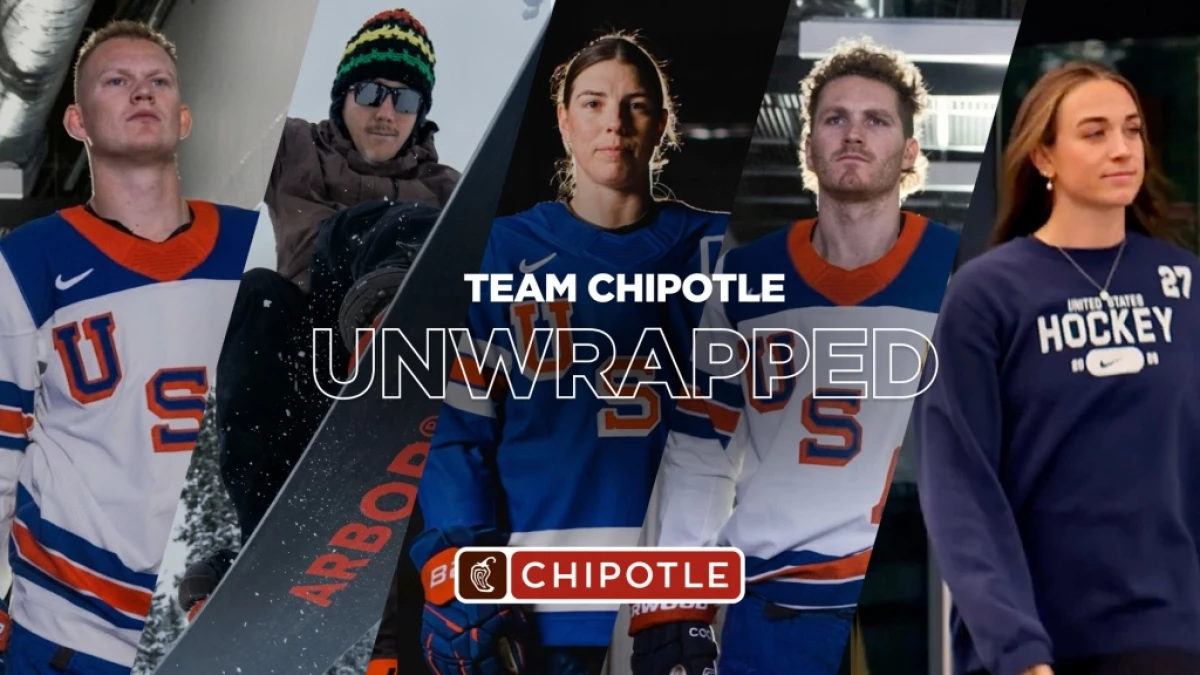
On January 15, the brand launched a limited-time digital menu featuring real orders from Olympic gold-medalist snowboarder Red Gerard and American ice hockey players:
- Matthew Tkachuk
- Brady Tkachuk
- Hilary Knight
- Taylor Heise
The "Team Chipotle" initiative is designed to make ordering feel more participatory, tying fandom directly to consumer behavior.
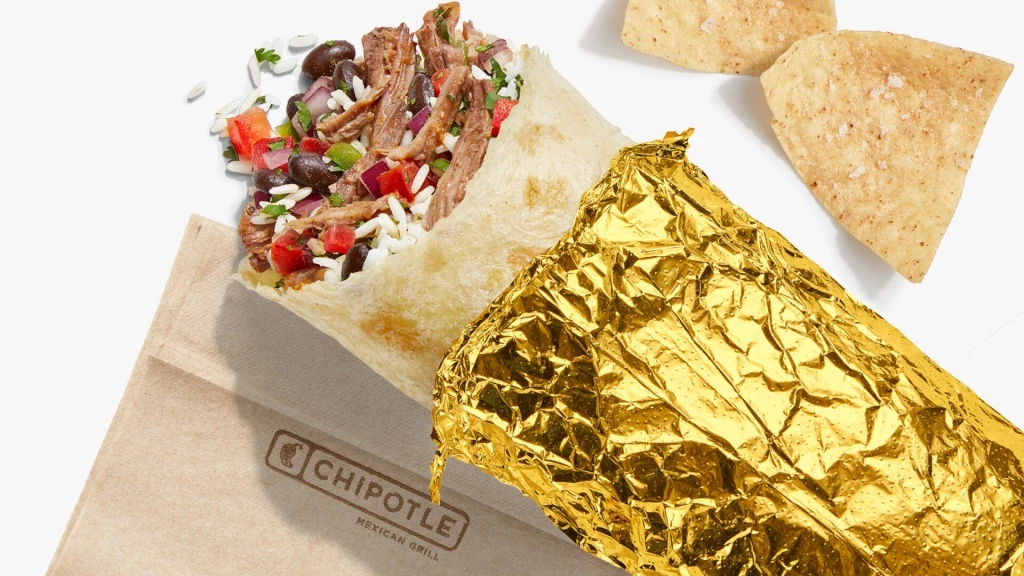
Beginning February 6, Chipotle is also bringing back gold foil-wrapped burritos in U.S. restaurants, while supplies last.
The wrapper is not tied to premium pricing or upsell mechanics, keeping the focus on recognition rather than spend.
Athlete menus remain exclusive to digital ordering, reinforcing app usage through real access.
Chipotle interim CMO Stephanie Perdue shared in a statement the concept behind the campaign:
"While the path to greatness is different for each of these star athletes, Chipotle is consistently part of their training regimen, providing easy access to real ingredients and high protein options."
The brand is extending this association to fans by pairing digital menus with a familiar cultural marker, the gold foil wrapper.
Professional Athletes as Cultural Proof
The athlete menus are positioned as part of training and recovery habits, which gives them practical weight.
For younger consumers who scrutinize marketing more closely, this everyday framing feels more believable than a polished celebrity endorsement.
It ties the brand to performance, discipline, and consistency, qualities that already align with how Chipotle wants to be perceived.
The Gold Foil wrapper adds another layer by marking the order as a shared moment without changing what customers pay for the product.
It acts as a visible signal that something is happening, turning a standard burrito into a small event people notice and photograph.
Combined with athlete-led menus, the result is an order that carries social value and brand recognition, encouraging sharing while keeping the experience grounded in actual behavior.
A Campaign Launched Under Pressure
Chipotle’s creative push is unfolding against a softer financial stretch.
In its most recent earnings report, the company posted $3 billion in quarterly revenue, up year-over-year as comparable restaurant sales rose just 0.3%.
Following the earnings call, its stock fell roughly 15%, reflecting concern around traffic and discretionary spending.
Executives acknowledged that younger consumers and households earning under $100,000 are eating out less frequently as inflation squeezes budgets.
This context helps explain why Chipotle is leaning on identity and relevance to influence behavior.
Encouraging visits this way protects margins while reinforcing brand perception at a time when price-led tactics carry long-term risk.
Chipotle ranked as the eighth-largest restaurant chain in the 2025 QSR 50.
For marketers, Chipotle’s approach highlights where competitive lines are forming in fast-casual dining:
- Athlete credibility is gaining ground. Real routines resonate more than personality-driven reach.
- Physical cues still support digital behavior. In-store signals can reinforce app usage when they feel familiar.
- Positioning is becoming more defined. Athletic credibility is emerging as a clear lane in a crowded category.
The campaign also shows how brands can shift attention from transaction to affiliation, using shared symbols and routines to keep engagement active.
Our Take: Can This Influence Repeat Orders?
I think it can shape behavior if it becomes repeatable.
One campaign can attract attention, but consistency is what builds habits.
Chipotle has spent years positioning itself around lifestyle cues, from fitness to culture-led collaborations.
This athlete-led effort fits this pattern, reinforcing brand identity instead of chasing short-term spikes.
The open question is whether Chipotle can sustain this relevance as eating out remains under pressure.
If this approach becomes a regular part of how the app engages users, it has the potential to influence repeat ordering over time.
Looking to build a brand people recognize instantly? Explore Top Branding Agencies to help shape identity, relevance, and long-term growth.