

Ever feel like you're putting in all the effort across multiple social media platforms, but the results just don't seem to match up?
You're not the only one.
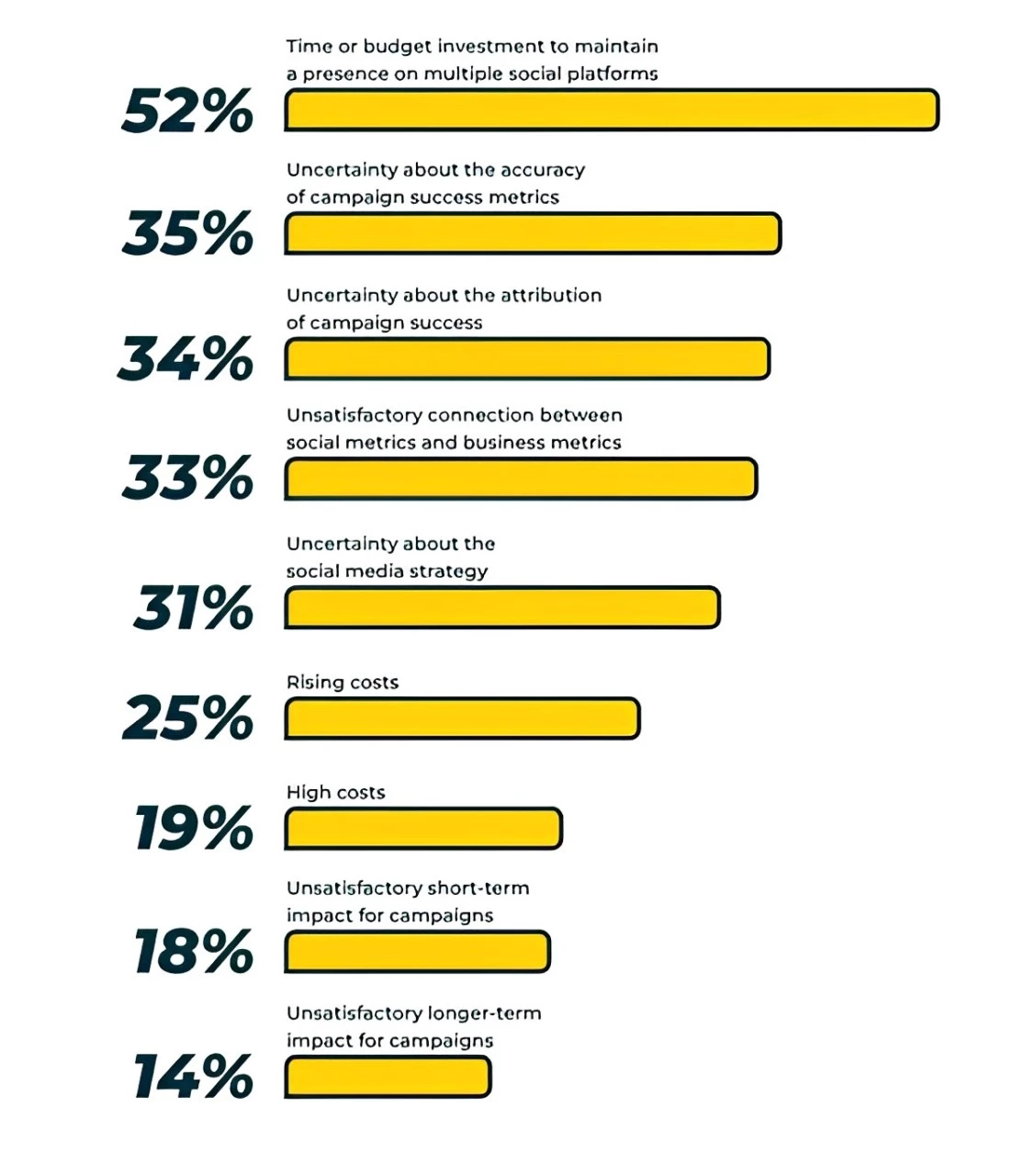
In fact, Hootsuite found that 52% of organizations are exhausted facing the same struggle, with time and budget being their biggest challenges.
It’s a common problem — trying to find the balance between effective marketing and not burning out in the process.
In this interview, Devon Noehring, a passion-driven entrepreneur, shares how businesses can balance time and budget by focusing on the right platforms and strategies to maximize their digital marketing ROI.

Who is Devon Noehring?
Devon is the owner of REV Branding Industries, a full-suite marketing & branding agency helping businesses build their brands online. While still in college, he launched his first company to put his ideas about brand development and customer relationships to the test. Turning out to be a huge success, he then started another thriving brand in the outdoor apparel industry, River Brothers Outfitters, dedicated to passing on the legendary traditions of hunting to the next generations.
Devon and I discussed that many businesses find marketing overwhelming despite the abundance of digital tools available.
He pointed out that the most complicated part is not knowing where to start and what to focus on to make a difference.
“Without a good plan, they focus on marketing channels that aren’t relevant to their target market and often try to do more than they can handle. Which more times than not, results in forgetting about aspects that could make a major difference,” he adds.
Achieve Consistent Branding in a Multi-Channel Marketing Strategy
As businesses expand their presence across multiple digital channels, maintaining a consistent brand voice while tailoring messages to fit each platform can be challenging.
“Consistency in terms of branding comes down to how you present yourself as an organization, then tapers into the finer details of colors, fonts, images, tones, topics, what defines you, and knowing how that relates to your customers,” Devon explains.
To ensure consistency across different platforms, he advises choosing three to five aspects that define your brand and making sure you check those boxes no matter what you publish.
“There are small details that can make a big difference in the different channels that you use, but if you’re able to make sure the bulk of your content aligns with your brand and tweak the delivery to optimize it for each channel – you’ll be set for success,” he adds.
Devon shared with me their case study on Boulder Creek Construction, which was struggling with an outdated website that didn’t reflect their expertise or attract much traffic.
After working closely with them to redefine their brand, REV Branding Industries built a fresh, user-friendly website that truly communicated who they were.
By combining organic SEO, social media, and paid ads, they quickly saw a surge in leads and traffic, proving just how powerful a well-planned digital marketing strategy can be.
We previously talked to Apollo.io SVP David Malpass who dives deep into the changing landscape of B2B marketing and sales, explaining how to elevate your B2B marketing strategy. Watch the video to learn more:
When it comes to social media marketing trends, playful and funny content is the new “brand personality.”
But how can you effectively balance playfulness and professionalism while maintaining your brand's voice and tone?
“Knowing when and how you incorporate playful content, making sure it’s relatable to the industry you’re in, your customers, and aligns with your brand is crucial.
A vast majority of users love a good laugh on social media, but if you go too overboard, all of the hard work you’ve put into defining your brand can get quickly drowned out,” Devon shares.
Leveraging popular trends can certainly help you reach new customers, but you also don’t want to forfeit what differentiates you from your competitors.
Connect Your Brand with Your Consumers on Social Media
As social commerce continues to grow, B2B businesses have unique opportunities to connect with consumers on social media.
“Social platforms are constantly introducing new features and improving efficiencies for commerce brands to leverage, if you haven’t started, you need to,” Devon says.
He highlights that brands adding in their powerful eCommerce features makes it even easier now to connect their followers with their products or services.
He advises to maximize the positive results of social media branding by:
- Publishing authentic, high-quality content that connects with your customers and defines your brand.
- Engaging with the audience that interacts with your platforms.
- Responding to your messages (especially when they’re customer support-related).
- Staying consistent.
If you’re looking for a reliable partner to help drive higher engagement and sales on social platforms, our DesignRush list of the best social media marketing agencies is the best place to start.
Building Authentic Brand Connections with Customers
The most successful brands will redefine “authenticity” this year, Hootsuite reports. It’s not about who (or what) creates your content anymore — it’s about the brand experience your content creates for the customer.
But how can brands adapt their content creation strategies to prioritize the customer's brand experience over the source of the content?
“Step one is knowing and defining your brand. Once you know that, piecing in how you communicate your brand and build the big picture of who you are through the content that you publish is everything,” Devon says.
In his opinion, who or what is creating the content will never be as important as making sure the published content effectively aligns with the brand experience that a business has defined and strives to achieve.
“Focus on the end product and find the most effective manners of achieving that, then just never stop executing,” he concludes.
In an earlier podcast, DesignRush spoke with Clickup Head of Influencer Marketing Chris Cunningham about the importance of authentic influencer marketing. Watch below to learn more.
Many organizations fear the impact on ROI of spending on a multi-channel social media strategy.
While the ads themselves already put a dent in the budget, there’s also the cost spent on hiring competent marketers and maintaining a social media presence on a daily basis.
Given this concern, Devon suggests leveraging platforms based on where your customers are and where your highest returns reside.
“Deciding this early in the marketing planning process not only saves you time and money, but it also gives you a framework to commit to which is extremely critical whether you’re a new startup or a business with many years in the books.
I like to call it ‘building the framework’ in which you commit to the channels chosen, give them the time needed to develop, and then pivot if the results aren’t as expected with sufficient time,” he notes.
According to Devon, a good marketing strategy needs a starting point, commitment, faith, time, and a willingness to pivot when necessary.
“For organizations in the startup phase, do your research to find where your customers are, and don’t be afraid to take a peek at what your competitors are doing too.
Choose the channels that you believe in, commit to them and once you’ve drawn in enough data, decide whether to move your resources into the higher-performing channels or not,” he adds.
It’s all about finding a balance and making sure you put the effort right where your audience is, otherwise it would be a waste of time and resources.
For those of you still stressing out over how to maximize ROI in your social media campaigns, it’s wise to heed Devon’s words and ensure that you stay consistent with your unique brand identity while focusing your efforts on the right channels.