
BMW's New Logo: Key Points
- BMW’s updated roundel removes inner chrome details for a flatter, more precise look on the iX3.
- The refreshed badge aligns physical design with BMW’s digital-first branding, first introduced in 2020 marketing materials.
- Standardizing the emblem across EVs and combustion cars shows that electrification is central to BMW’s future identity.
BMW’s latest logo change may look like business as usual, until you take a closer look.
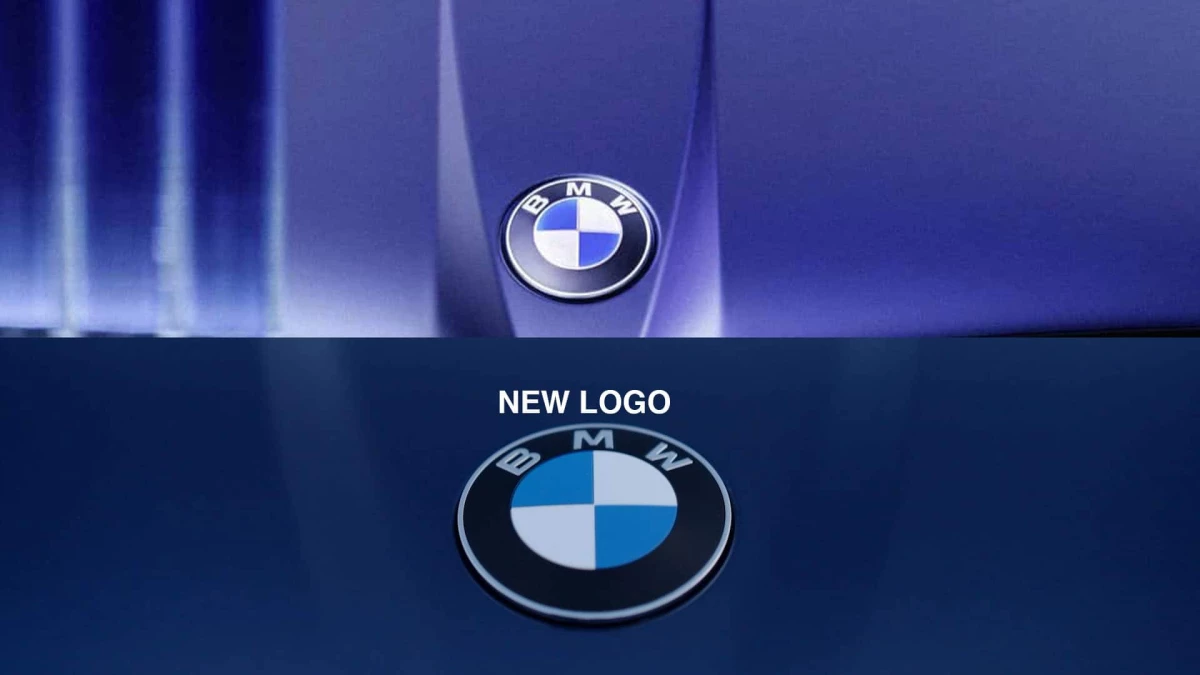
The German automaker quietly debuted a refreshed version of its roundel on the new iX3.
This marks the first production model under its Neue Klasse platform to carry the updated logo.
The logo redesign strips away inner chrome rings and dividing bars, giving the emblem a cleaner and flatter look.
Meanwhile, the satin finish of the black border is another departure, giving the logo a matte quality that feels understated yet deliberate.
Head of BMW Design for the Neue Klasse, Oliver Heilmer, said the brand "wanted to keep the heritage, but bring more precision to the logo.”
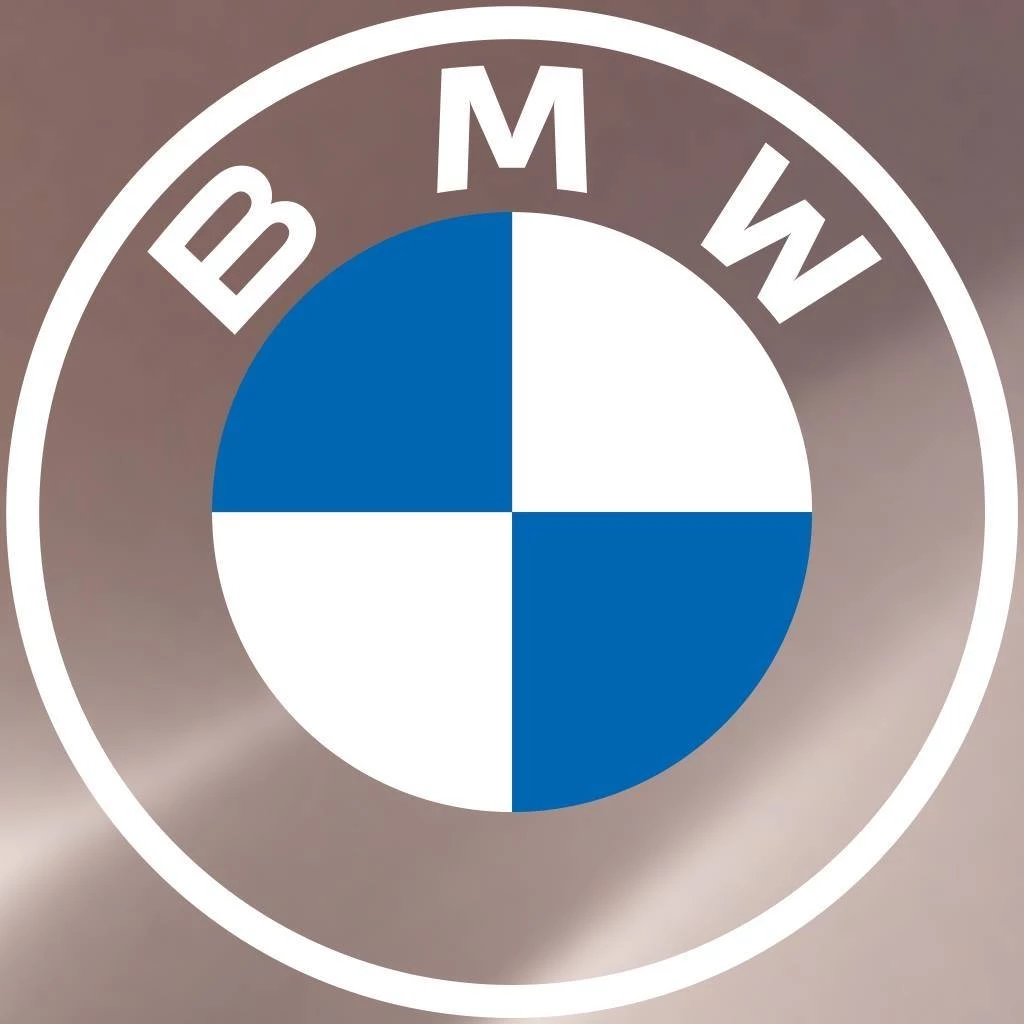
“The chrome is still there, the letters have been refined with a shiny pattern you often find in watches, and the white surfaces now sit closer to the outer ring.
It’s flat, but when you touch it, you can still feel the ridges," Heilmer shared in a BMW Blog article.
This decision continues a design thread first introduced in BMW’s marketing materials in 2020.
A transparent outer ring and 2D layout suggested the brand was already moving towards a digital-first branding approach back then.
Backlash Over the Previous Logo
When BMW first revealed the flatter, more transparent version of its logo in 2020, not everyone was pleased.
Critics say removing the black outer ring made the roundel harder to read, especially on light backgrounds.
Some design experts also felt the logo was missing something, while netizens said the BMW logo has "remained largely the same" over the decades.
Although the BMW logo has changed a number of times since the inception of the company, it's remained largely the same
byu/RiddledWithSpades inBMW
At the time, BMW had defended the change, saying it was intended for communications and digital channels, not for use on vehicle emblems.
Marc Mielau, BMW VP of brand, marketing, and customer strategy, called some of the criticism a “misinterpretation" of the logo’s role.
Now, the physical badge aligns more closely with the 2020 visual identity, bridging legacy with a modern, simplified expression.
The iX3 will serve as the launchpad for the redesign, with the badge gradually appearing across BMW’s upcoming and refreshed models.
Unlike earlier electrified cars that carried a distinct blue outline, the company is now standardizing the logo across both EVs and combustion-powered vehicles.
This is a sign that EVs are no longer a separate identity and are now central to BMW’s core lineup.
A Subtle Change That Scales
The updated roundel isn’t confined to the hood, as it now appears across the iX3’s wheel caps, steering wheel, and tailgate.
Though many drivers may not notice at first, the design team is betting that these restrained refinements will leave a lasting impression once spotted.
The approach follows a wider trend within automotive branding, where legacy carmakers are being more careful in modernizing their emblems.
Porsche and Volkswagen recently rolled out flatter, digitally adaptable logos.
Porsche has revealed its new, simplified logo (the one on the left) - spot the difference! https://t.co/mEIR2rhOCJpic.twitter.com/3WkoNJ3Po2
— Autocar (@autocar) June 1, 2023
BMW’s move reflects a similar balance of history and relevance.
Rather than doing a complete overhaul of its familiar logo design, it just refined it, with all the small details representing big changes.
The rollout will begin with the iX3, but the long-term plan is to standardize the logo across the brand's entire portfolio.
It’s a quiet change compared to major changes from rivals like Jaguar, and it's one that's careful enough not to jar consumers.
Our Take: Do Small Changes Matter More?
BMW’s logo refresh shows that design doesn’t always have to shock to matter.
Tightening the details instead of scrapping the roundel allowed BMW to preserve decades of equity while future-proofing its symbol for the digital age.
To me, this feels like the right lesson for brands tempted to chase minimalism for minimalism’s sake.
Subtle updates can resonate more deeply with loyalists because they respect the past while still pointing forward.
This just goes to show that logos are strategic brand symbols and anchors.
In other news, Bentley recently unveiled its own logo update, choosing evolution over reinvention in a move that drew praise from brand watchers.