
Billy Porter's Inclusive Beauty Brand: Key Findings
- Billy Porter has entered the beauty market with a personal-care brand inspired by his creative journey.
- The line includes cleansers, serums, eye shimmers, and lipsticks priced from $9.99 to $66.99.
- The brand centers self-expression and rejects traditional rules around gender and beauty.
Quick listen: Billy Porter’s Black Mona Lisa rewrites beauty rules with bold, inclusive strategy — in under 2 minutes.
The category is: beauty revolution, and Billy Porter just dropped the first look.
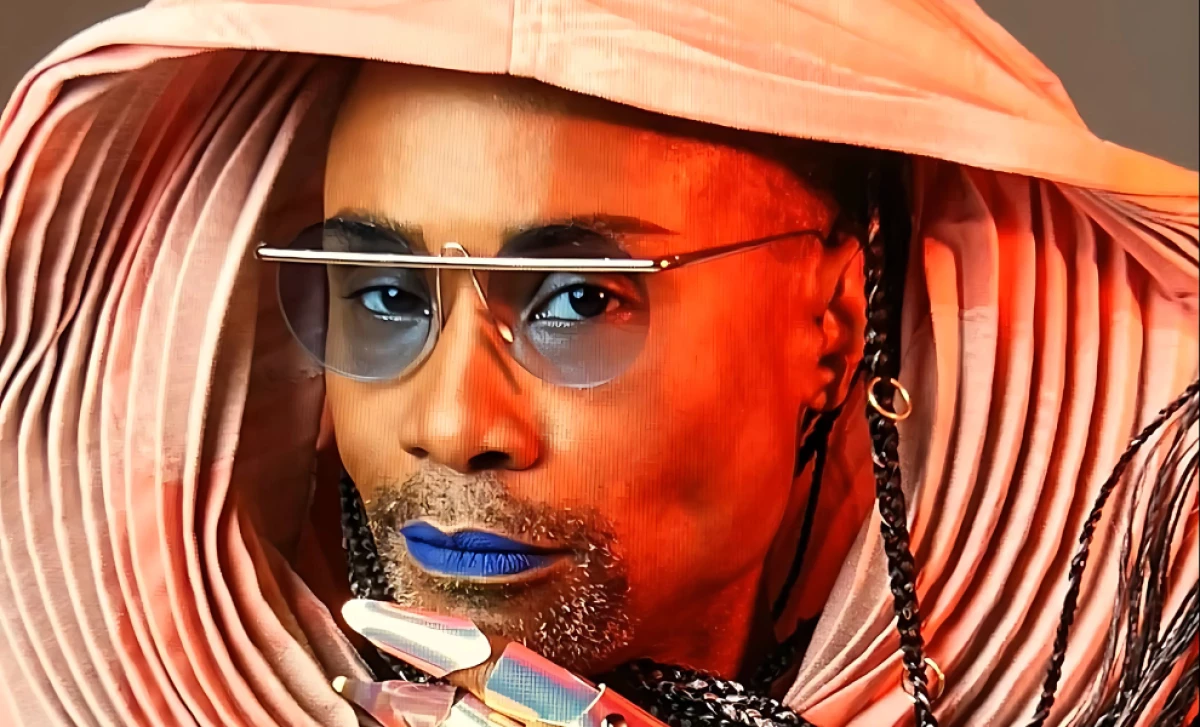
The American actor and singer has stepped into the beauty arena with Black Mona Lisa Beauty, a personal-care line focused on self-expression and inclusivity.
The line includes serums, eye shimmers, cleansers, and liquid lipsticks priced from $9.99 to $66.99.
It arrives as a product extension of his 2023 studio album of the same name.
View this post on Instagram
In an interview, Porter describes Black Mona Lisa as more than a product launch.
For him, it’s a tool for self-discovery and personal truth:
“I feel like this first outing [of the brand] is about exploration.
It’s about people who want to just simply explore.
It is about identifying who you really are and understanding deep within one’s soul that you are worthy and having no fear to proclaim that yourself.”
The brand focuses on lightweight, easy-to-apply products that don’t conform to gender or age.
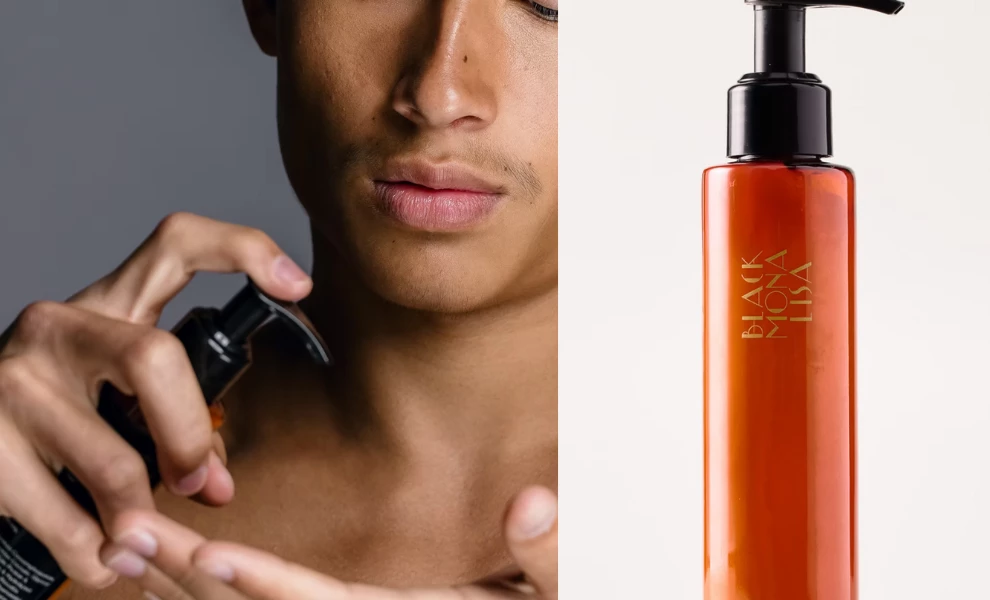
Items like the kale cleanser and collagen-retinol serum are made with ingredient-conscious formulations.
According to Porter, this collection is meant for people exploring who they are and how they want to be seen.
More Than Skin Deep
Porter’s history with skincare started early.
At 14, he walked into a Clinique counter and asked for a full routine, despite having no visible skin issues.
The 'Pose' actor viewed that regimen as proactive care, an approach that’s stayed with him.
View this post on Instagram
As a Black gay man, he also grew up with clear lessons around moisturizing and protecting the skin, especially during winter.
While he’s worn makeup professionally, his personal comfort with beauty expression took longer to develop.
There were times he wanted to wear lipstick in public but held back.
His new line is part of reclaiming that freedom, especially for younger people who see identity as fluid and self-defined.
View this post on Instagram
The line doesn’t yet include foundation, which Porter says is intentional.
He wants to create formulas with enough color payoff for deeper skin tones and offer an inclusive range from the start.
Porter’s decision to launch Black Mona Lisa also lands at a pivotal moment in the beauty market.
Black consumers account for 11% of U.S. beauty spending, yet Black-owned brands bring in just 2.5% of that revenue.
It’s time to wake up before another Black-owned beauty brand disappears https://t.co/Be6SBEdpxS
— Cosmopolitan UK (@CosmopolitanUK) July 19, 2025
This gap represents a $2.6 billion opportunity, according to Vogue Business.
By owning both the creative vision and the business, Porter is positioning himself and his brand to speak directly to a market that remains underserved.
Expansion plans include apparel, footwear, and even kitchenware, each reflecting his philosophy that style is personal and should feel honest.
Porter considers the liquid shimmer eyeshadow a standout in the first collection.
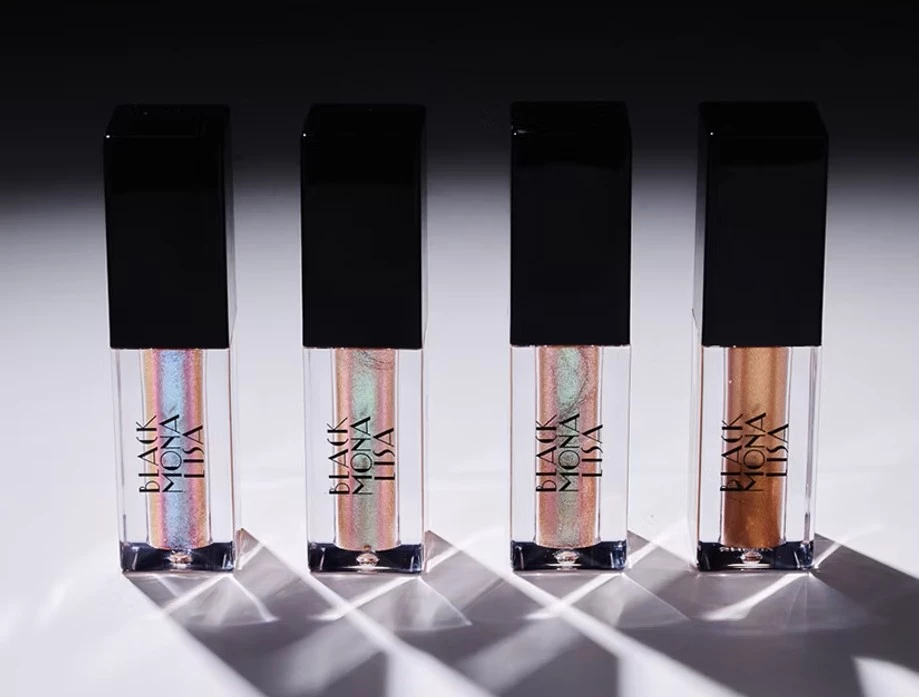
Still, he sees Black Mona Lisa as more than hero products.
It’s a brand grounded in personal history, cultural insight, and a desire to make beauty feel welcoming to anyone willing to explore it.
Our Take: Is Billy Porter’s Beauty Brand Built to Last?
I think Black Mona Lisa has the foundation to become more than a celebrity beauty line.
The brand's message is deeply tied to identity and expression, not just aesthetics.
This positions it to build a loyal community, especially among younger consumers who expect brands to reflect their values.
If Porter follows through with inclusive shade ranges and product innovation, this will not just be a bold debut.
It could evolve into a serious player in lifestyle and culture-driven retail.
Explore how brands like Dove and Spotify are also rewriting beauty and identity standards in their latest digital campaigns.