
PPC Automation: Key Findings
- Tools like Google’s Performance Max can lift results by 10 to 13%, but left unchecked, they may chase clicks over conversions or waste budget on low‑intent traffic.
- Budget caps, device targeting, and regular performance audits keep PPC automation aligned with real business goals.
- Human + AI is the winning formula. AI handles scale and speed, while marketers provide strategy, context, and course corrections to protect ROI.
PPC automation feels liberating, until it quietly derails your ROI.
AI-powered campaigns promise freedom from spreadsheets and 2 a.m. bid adjustments.
But without human oversight, they can optimize toward the wrong goals, quietly bleeding ad budgets while your team focuses elsewhere.
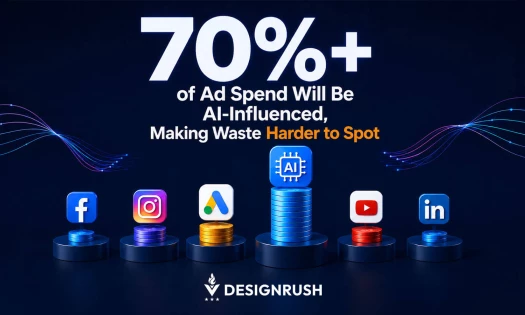
In fact, Google claims its AI‑driven Performance Max campaigns can boost results by 10-13%, according to Search Engine Land.
Yet, many marketing leaders are aware of the uneasy flip side.
Automation can chase clicks that never convert, drain budgets on irrelevant queries, and fail to recognize when the market shifts under its feet.
AI can deliver speed and scale, but without human guardrails, even the smartest algorithms will sometimes optimize toward the wrong goal.
For example, a campaign might maximize impressions while quietly driving up cost-per-acquisition or over-prioritize branded queries while ignoring untapped audiences.
That’s why experienced agencies, like Digital Silk, employ modern PPC strategies that prioritize balance over blind automation.
In other words, human oversight - through regular performance audits, strategic bid adjustments, and more - ensures that AI’s efficiency works in service of business objectives, not against them.
Spot These Automation Traps Before They Drain Your Budget
Automation can make your PPC campaigns feel self-sufficient.
But the wrong settings can quietly bleed your ad budget. Left unchecked, AI may optimize for metrics that look impressive on paper but fail to deliver meaningful results.
“AI is brilliant at scaling patterns, but it doesn’t inherently know which patterns are profitable. Without regular oversight, small inefficiencies multiply into serious budget drains and underwhelming results that set back the entire campaign,” said Digital Silk Founder Gabriel Shaoolian.
Some of the most common traps unsupervised AI optimization falls into include:
- Over‑prioritizing clicks over conversions: Automated campaigns often chase high click‑through rates because clicks are easy to measure, but this can mask poor lead quality. Without human oversight, AI can pour spend into audiences that are curious, not committed.
- Ignoring seasonality and market shifts: Algorithms excel at recognizing historical patterns but struggle with real‑world volatility. Shifts in consumer behavior, new competitor ads, or sudden market events can leave your campaigns spending aggressively in the wrong places.
- Delayed reaction to poor placements: AI doesn’t inherently know which placements damage brand perception or attract low‑intent traffic. Ads may quietly appear on irrelevant apps or sites, eroding both ROI and brand equity before anyone notices.
The moment someone from your team notices AI making these mistakes, it’s time to hit pause on the campaign and recalibrate.
How to Set Guardrails Without Killing Efficiency
PPC automation is similar to a high-speed train. It gets you from point A to point B faster.
But just like a train needs an operator to watch the tracks, PPC automation requires someone to set guardrails and guide it accordingly.
After all, AI thrives with structure, not blind trust. And that’s by design.
These structured interventions keep automation efficient without letting it run wild:
- Negative keyword lists block spend on irrelevant queries and reduce wasted impressions.
- Strategic budget caps prevent runaway costs during algorithm learning phases or market volatility.
- Location and device controls focus spend where audiences actually convert, rather than where clicks are cheapest.
- Regular performance checkpoints allow for early course corrections before small leaks turn into major losses.
- Creative and audience input updates give the AI better signals, ensuring optimizations target the right goals.
Marketing teams that set these “soft fences” empower automation to scale efficiently without losing alignment with broader business goals.
Practical Control Points for Marketing Leaders
Successful marketing leaders approach AI like a high‑performing team member: capable of incredible output, but still requiring direction, evaluation, and course correction.
The goal is to create a framework where automation scales your campaigns without drifting away from core business objectives.
That comes from structured, predictable interventions that keep the system accountable.
Consider building your PPC audits and oversight around:
- Weekly search term audits
- Real‑time performance alerts
- Campaign segmentation reviews
- Creative and audience updates
Treat Automation as a Strategic Partnership
Full automation without oversight is a gamble. Manual micromanagement kills efficiency.
That’s why agencies like Digital Silk view PPC automation as a partnership where AI handles speed, scale, and repetitive tasks, while humans guide strategy, protect the budget, and inject market context.
In an era where PPC spend can climb into the millions overnight, this balance isn’t optional. It’s the only way to ensure that automation drives growth instead of silent waste.