
AI-native SEO Key Findings:
- AI-powered search engines like ChatGPT, Gemini, and Claude are reshaping brand discovery, making traditional SEO alone insufficient for visibility.
- Autonomous Marketers, AI agents that can strategize, execute, monitor, and optimize growth in real-time, enable brands to scale content across both traditional and AI-driven platforms.
- Building a “Visibility Stack” with strategic intelligence, multi-platform monitoring, and continuous optimization positions brands to thrive in the AI-first marketing era.
As traditional SEO becomes increasingly complex and AI-powered search engines reshape online visibility, brands face a critical question:
How do you maintain visibility across both Google and platforms like OpenAI, Gemini, Claude, and DeepSeek?
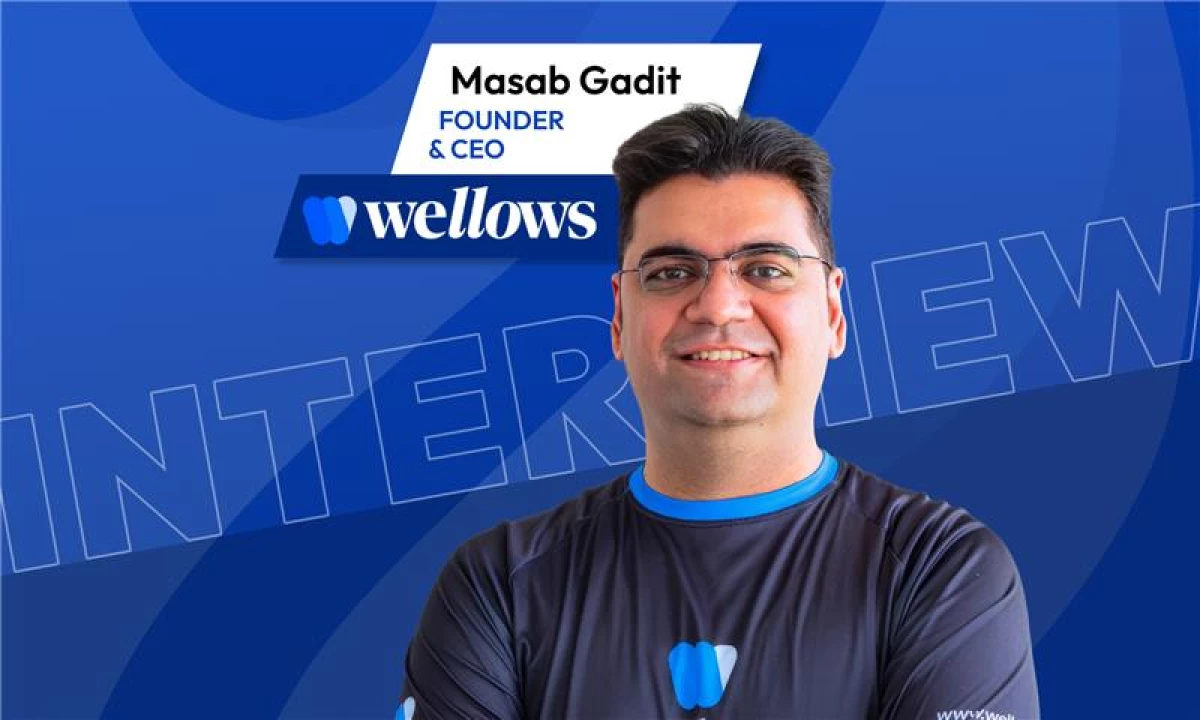
Masab Gadit, founder and CEO of Wellows, believes the answer lies in Autonomous Marketers. These are AI agents that don't just execute tasks but can strategise, execute, and optimize performance with minimal human oversight.
In this exclusive interview, I asked Masab why every brand needs an Autonomous Marketer and how exactly these AI agents are redefining digital visibility.
“AI-powered search engines are transforming the way consumers discover brands, and traditional SEO approaches are struggling to keep up,” he explains.
“We are at the forefront of this transformation, developing what we call ‘Autonomous Marketers,’ which are AI agents capable of strategic thinking, content creation, and performance optimisation.”
During our discussion, Masab also shared his thoughts and insights on building the Visibility Stack for the AI era, how brands are using AI agents to scale their marketing operations, and the biggest mistakes brands make when implementing autonomous systems.

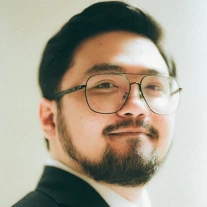
Who Is Masab Gadit?
Masab Gadit is the founder and CEO of Wellows, an AI‑first marketing platform focused on developing Autonomous Marketing Agents. With over a decade of experience scaling digital businesses and mastering Google SEO, he recognized how AI‑first engines like ChatGPT, Claude, and Gemini are reshaping discovery. At Wellows, Masab is focused on helping brands stay cited, discoverable, and trusted across both traditional search engines and LLMs.
The Path to Autonomous Marketing
As search behaviors change and new AI engines like OpenAI, Claude, Gemini, and DeepSeek gain prominence, brands are grappling with an increasingly complex visibility challenge.
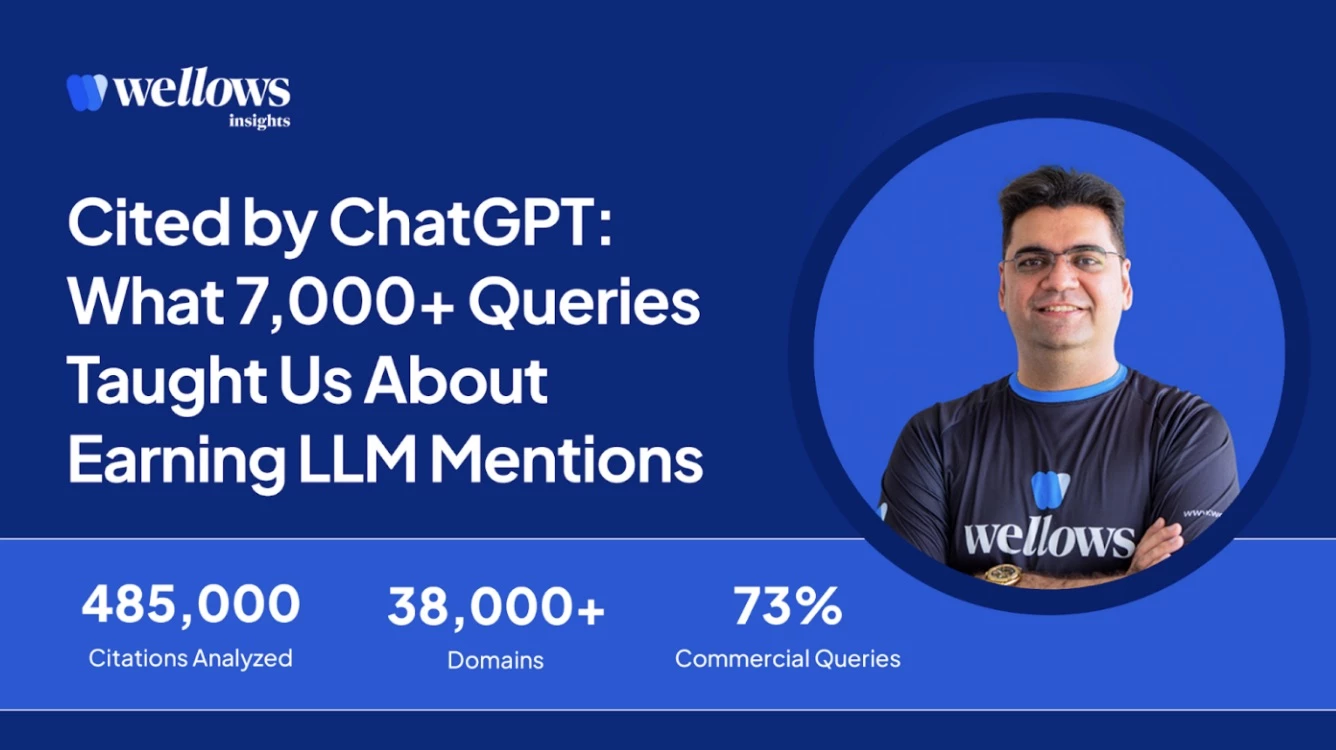
Through KIVA, Wellows' flagship AI SEO agent, Masab discovered that 58% of consumers now rely on AI for product recommendations, representing a 132% year-over-year growth.
Analysis of over 485,000 ChatGPT citations across 38,000+ domains revealed a strong shift in how brands earn visibility in the age of AI.
As a tech founder, he started by mastering Google SEO, inbound growth, and systemized content operations, while running one of the most efficient inbound content networks.
This foundation in performance-driven marketing provided crucial insights into what actually drives sustainable growth.
"What I learned from scaling content operations is that success isn't just about creating more content, it's about creating the right content with the right data foundation and feedback loops," Masab notes.
"That experience showed me the gap between quantity and quality at scale, which is exactly what most brands struggle with today when implementing AI content strategies."
The transition from inbound marketing to AI-first approaches wasn't immediate.
Masab spent years observing how search engines improvise, how content consumption patterns shift, and most importantly, how brands were failing to adapt to these changes.
"I witnessed how manual processes, no matter how well-intentioned, couldn't keep pace with the speed and complexity of modern digital marketing," he shares.
"That's when I realized we needed a fundamentally different approach, not just better tools, but truly autonomous systems that could think, learn, and optimize independently."
Building the Visibility Stack for the AI Era
At Wellows, Masab Gadit is building what he calls the Visibility Stack, a strategic framework designed to help brands maintain relevance as discovery becomes increasingly mediated by AI.
"The Visibility Stack is about ensuring that your brand stays cited, visible, and trusted across ChatGPT, Gemini, Claude, DeepSeek, and whatever comes next. This requires a completely different methodology than traditional marketing approaches,” he explains.
Rather than treating AI visibility as an add-on, the Visibility Stack approaches it as foundational infrastructure.
"We're not just helping brands grow. We're building the infrastructure that helps them maintain relevance in a world where AI engines increasingly mediate discovery," Masab emphasizes.
The Visibility Stack is built on four core capabilities that turn visibility into an operating system:
- Strategic Intelligence: Map what your audience is asking across Google and LLMs. Identify gaps and opportunities by analyzing search intent, competitor presence, and content performance signals.
- Content Execution: Creating relevant, trustworthy, and citation-worthy content with strong internal structure, published consistently for both search engines and AI platforms
- Multi-Platform Monitoring: Tracking brand mentions in LLM responses and traditional SEO with performance alerts for visibility drops, missed mentions, and content fatigue
- Continuous Optimization: Refining strategy based on user behavior and content performance across all platforms
Brands that build a system like this position themselves to earn visibility proactively, rather than reacting to algorithm changes after the fact.
The Rise of Autonomous Marketers
As marketing channels multiply and content demands grow, traditional automation can’t keep up.
Automating isolated tasks might speed things up, but it doesn't solve the deeper challenge: scaling strategy, execution, and optimization together.
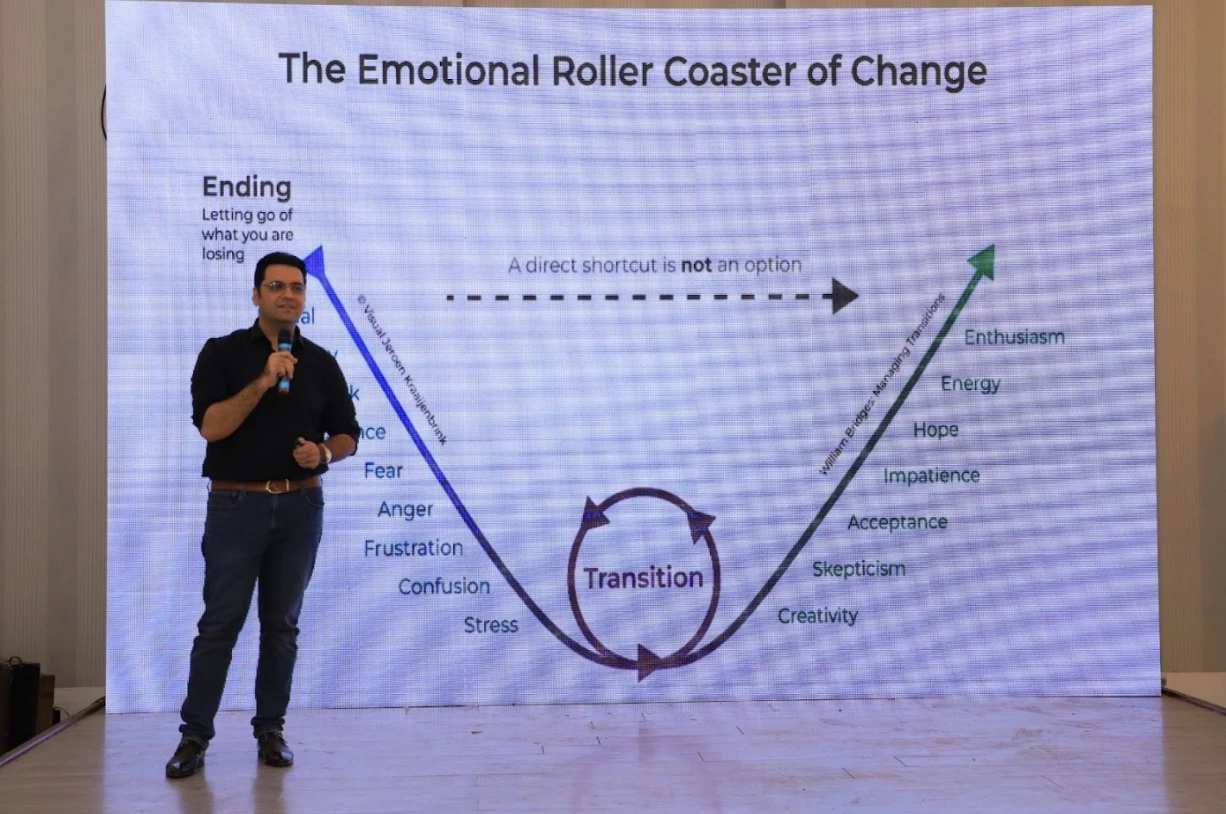
Central to Wellows' approach are what Masab calls "Autonomous Marketers," sophisticated AI agents that go far beyond simple content generation or task automation:
"Our vision is to create those AI agents that don’t just execute predefined tasks. They can strategize, create, and optimize.”
“The idea is to help them learn from user feedback, adapt to your brand's specific data, and transform into high-performing members of your growth team," Masab clarifies.
While most AI marketing solutions focus on automating specific tasks, AI-led SEO agents are designed to handle entire marketing workflows with minimal human oversight.
"An AI tool might help you write a blog post, but an Autonomous Marketer acts like a full-stack strategist,” Masab adds.
“It will research your market, identify gaps, generate content, measure and optimize it based on performance data, and continuously refine its approach. It’s not a tool. It’s a strategic marketing partner."
AI's Impact on SEO: Beyond Human vs. Machine
Masab rejects the common narrative that positions AI and human marketers as competitors.
Instead, he advocates for a “human-led, AI SEO agents” approach.
It’s a model built not on replacement, but on partnership, where AI handles scale and repetition, while humans focus on strategy, creativity, and brand context.
This perspective evolved through Masab’s work with enterprise clients struggling to grow SEO output without drastically increasing headcount.
"Businesses face pressure to scale performance without ballooning costs. AI SEO Agents offer a middle ground by providing speed, consistency, and adaptability without sacrificing strategic control,” he says.
The problem is that traditional SEO strategies often fall short when it comes to optimizing for AI-generated responses, according to Wellows’ recent research on ChatGPT citations.
This makes autonomous approaches more important than ever for agencies, SMEs, and enterprises alike.
The long-term advantage lies in knowing where human value truly shines.
"Humans excel at strategic thinking, brand understanding, and creative problem-solving. AI excels at data processing, pattern recognition, and consistent execution. The magic happens when you combine these strengths rather than treating them as alternatives,” Masab explains.
The Future of Brand Visibility
Looking ahead, Masab sees autonomous marketing becoming essential for brand survival in an increasingly AI-mediated world.
"We're building toward a future where every brand has its own AI-powered marketer. Not as a replacement for human creativity and strategy, but as a force multiplier that enables brands to maintain visibility across an increasingly complex digital world."
This vision extends beyond current search paradigms to encompass emerging discovery mechanisms.
That’s because Masab predicts that the brands that establish a strong foundation in autonomous marketing are the ones that will thrive in the next decade.
"They'll be prepared for whatever new platforms and technologies emerge because their marketing systems are inherently adaptive," Masab explains.
Unlock Your Competitive Edge with AI Autonomy
As platforms like ChatGPT, Gemini, Claude, and DeepSeek increasingly shape what users see and trust, brands that cling to legacy SEO thinking will fall behind.
Wellows maintains a mindset of staying curious, testing constantly, and aligning strategies with AI behavior to create genuinely useful content.
For brands considering autonomous marketing approaches, Masab's advice is straightforward:
"Start now, start small, but start. The learning curve is real, but the competitive advantages are even more real. In a world where speed and adaptability determine market position, AI SEO agents aren’t a luxury; they're a necessity."
Through platforms like Wellows and concepts like the Visibility Stack, the future of marketing is becoming clearer: it's autonomous, intelligent, and fundamentally different from anything we've seen before.