
Affiliate Summit West 2026: Key Findings
- Affiliate Summit West 2026 attracted thousands of marketing leaders to meld minds and discuss what’s actually changing in performance and partner marketing.
- Heavy discussion on AI's ever-growing role in marketing and in-person relationships as revenue drivers shows how new tech and old tactics still matter.
- Leaders like Omnisend are already adapting, tightening partner operations while adjusting to AI‑driven search.
Affiliate Summit West 2026 (ASW26) is one of the largest global conferences for affiliate, partner, and performance marketing professionals.
It has long served as an annual meeting place to see where budgets, tools, and strategies are actually heading. This year was no exception.
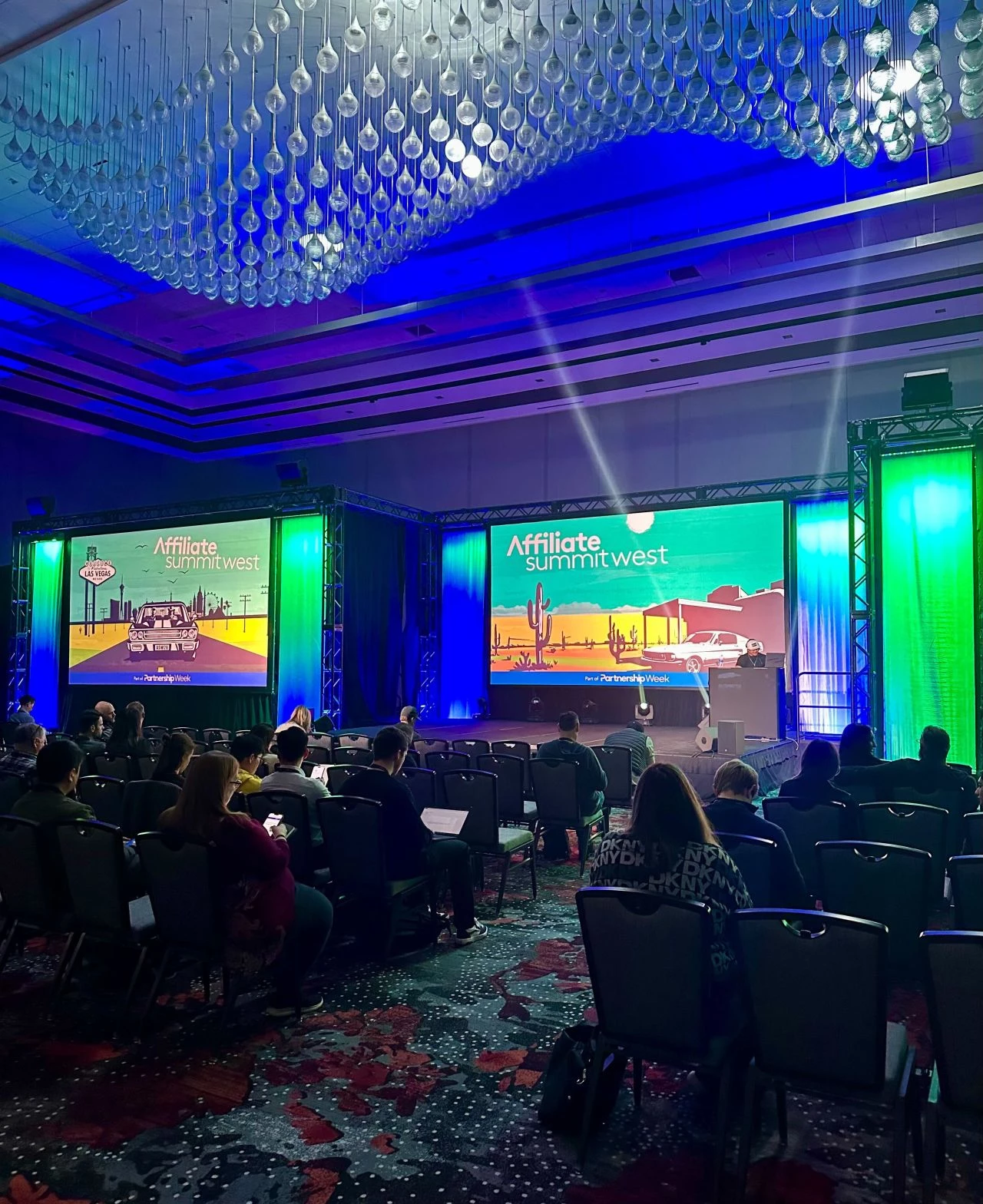
Held Jan. 12 to 14, 2026, ASW26 drew 7,000+ participants to Las Vegas, and the agenda heavily focused on topics and industry changes like:
- How AI is becoming foundational to affiliate programs' operations
- The rise of creator communities as serious revenue channels
- The growing need for channel diversification to reduce risk and stay visible
Why does the ASW26 conversation matter?
Because the people in the room decide what gets funded, who lands partnerships, and which old strategies get left behind.
Omnisend, a leading eCommerce marketing automation platform, attended this year’s ASW26, with its affiliate team representing.
Tautvydas Jasiukevičius, Senior Affiliate Marketing Manager at Omnisend, told DesignRush about the summit, saying conversations moved from campaign talk to concrete operational challenges.
“Signals from ASW26 suggest that performance marketing is entering a higher-standard phase rather than slowing down,” Jasiukevičius says.
“Brands are becoming more selective with budgets, spreading spend across multiple campaign types instead of relying on a single channel or tactic.”
In other words, performance marketing is becoming more technical, more diversified, and more dependent on systems rather than one-off wins.
3 Biggest Shifts From ASW26
What were the most talked-about emerging trends at ASW26?
Across panels, private meetings, and hallway exchanges, three themes repeatedly surfaced:
1. AI as a Core Infrastructure in Affiliate Marketing
If you’ve been paying attention, you know, in 2026, AI isn’t an idea or afterthought.
At ASW26, it was central to loads of discussions, pointing to how affiliate teams now use it to handle:
- Keyword discovery and content ideation
- Partner prospecting and lead qualification
- Performance analysis and reporting automation
More importantly, AI is reshaping visibility itself.
Affiliates are now optimizing, not only for Google rankings, but also for AI-powered answer engines and LLM visibility.
This introduces a new competitive pressure, one that Omnisend has already begun to adapt to:
“At Omnisend, we’ve already started adapting to this by optimizing our visibility, not only in traditional search, but also within AI-powered search tools and LLMs,” Jasiukevičius said.
“Ranking within AI tools is a trending priority, and affiliates need to be present there as well.”
Of course, this doesn’t mean teams should chase just about every new AI tool that comes out.
For Jasiukevičius, it’s more important to align affiliate strategies with how discovery is changing.
This includes optimizing partner content for structured data, clear brand positioning, and educational formats that AI systems are more likely to reference.
2. Creator Communities as a New Performance Channel
Community platforms have moved from experimental channels into core acquisition conversations.
Reddit threads, Discord groups, Telegram communities, and the like have become performance assets as AI systems have increasingly referenced sentiments and answers on these platforms.
As such, brands increasingly view creators and community leaders as long-term partners rather than campaign-based promoters.
This has led teams to move toward relationship-driven performance models.
Instead of one-off placements, teams are putting budget toward creators who can build consistent audience engagement.
3. Channel Diversification as a Growth Imperative
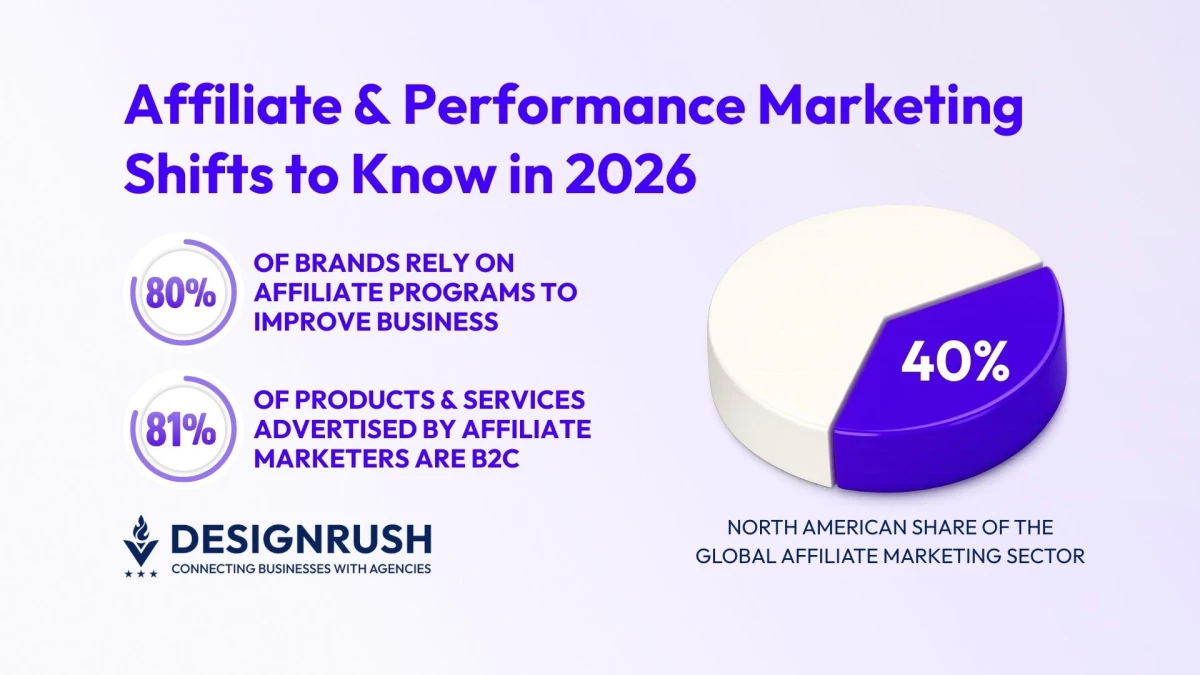
Given that statistics cited by Wix show that eight in 10 brands rely on affiliate programs to improve their businesses, the pressure to build diversified, resilient traffic pipelines has never been higher.
This has led affiliates and brands alike to expand into:
- Owned newsletters
- Proprietary content hubs
- Multi-platform social distribution
- Hybrid paid and organic traffic strategies
Why?
Because teams have started to figure out that spreading investments across multiple formats reduces volatility and tests emerging opportunities.
Likewise, it ensures that growth doesn’t collapse when one platform changes its algorithm or pricing structure.
How Teams Should Adapt
Simply knowing that these emerging trends are happening isn’t enough.
After all, knowledge only matters if teams can translate it into operational change.
Rather than chasing the next tool or channel, leading programs are focusing on building systems that scale across platforms, protect against volatility, and support long-term partner growth.
In particular, Jasiukevičius recommends teams make the following adjustments:
- Invest in AI-supported workflows.
Jasiukevičius says AI is no longer just a talking point.“It’s already being actively used in the daily workflows of affiliate managers.”
To make this happen on your team, first focus on automating research, partner discovery, and reporting.
Then, be sure to assign clear ownership so automation improves speed without creating gaps. - Expand community-based affiliate initiatives.
Target niche platforms where high-intent audiences already gather. Build partnerships around ongoing engagement, not single promotions. - Strengthen creator relationships as performance channels.
Treat creators as long-term revenue partners with clear KPIs. Provide structured briefs and regular performance feedback. - Maintain in-person relationship development.
In-person meetings still matter, and are often the most effective way to build trust and create real, meaningful connections.“If you want to build real, trust-based partnerships, you still need genuine human connections with brands, publishers, and creators,” Jasiukevičius says.
The point? Use these connections to align goals and strengthen collaboration.
“AI can support the process, but it can’t replace relationship-building.” - Reallocate budgets dynamically.
Review channel performance monthly instead of relying on fixed plans. Redirect spend toward channels with consistent conversion quality.
ASW26 as a Guide for What Comes Next
If ASW26 felt like just another industry recap, you weren’t paying attention. These changes will be crucial to how teams decipher spending, workflows, partnerships, tech, and more.
And for those who may be more risk-averse, it’s unfortunately not a “decide-later” type of situation.
As Jasiukevičius put it:
“Over the next 12 to 18 months, marketers will continue reallocating budgets dynamically, adapting to fast-changing channels while prioritizing content quality, creator partnerships, and AI-assisted execution.”
If teams design and build the road system properly, traffic will flow, growth will compound, and expansion becomes manageable.
If not?
Then even the smallest road bump can lead to congestion, breakdowns, and expensive detours.