
Apple's 'No Frame Missed': Key Findings
- Apple’s “No Frame Missed” uses real Parkinson’s stories to show how iPhone 16 Pro tools enable creative independence.
- The campaign combines storytelling with tutorials, highlighting Action Mode, Voice Control, and accessibility apps as practical resources.
- Apple reinforces its long-term focus on inclusive design, using accessibility as a driver of brand connection and product adoption.
Quick listen: How Apple’s accessibility campaign connects tech and storytelling — in under 2 minutes.
More than 10 million people live with Parkinson’s globally, according to the WHO.
This is why, for big companies like Apple, it's important to turn accessibility into a powerful storytelling tool.
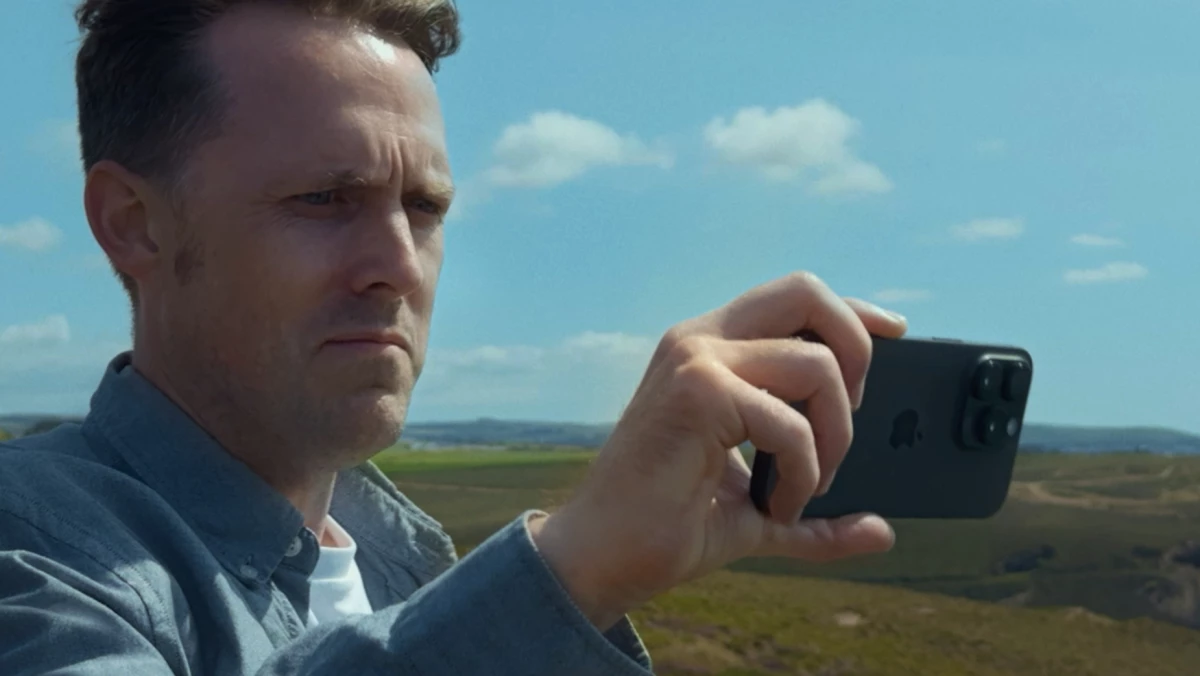
Its latest campaign, “No Frame Missed,” shows how the iPhone 16 Pro is helping people with Parkinson’s disease film life’s milestones that once felt impossible to record.
Directed by Renato Amoroso with TBWA\Media Arts Lab LATAM, the short film follows four people as they document deeply personal experiences using the smartphone's "Action Mode" and accessibility tools.
For filmmaker Brett, who was diagnosed with Parkinson’s at 37, the feature meant recording a smooth video of his son Dexter riding a bike for the first time.
Brett shares that it was his first stable video that he had taken since his diagnosis, describing how the tool restored his confidence behind the camera.
In New York, Brazilian creative Ellen captured her partner Renata’s surprise proposal using Voice Control and Action Mode, then played the footage at their wedding party.
Meanwhile, Marie and Bette, a mother-daughter pair both living with Parkinson’s, used the iPhone to record an intimate birthday film for their 94-year-old mother.
Grounding the product in lived experiences allows Apple to show how its accessibility design can create both functionality and emotional engagement.
Tutorials and Practical Features
Beyond storytelling, Apple is using the campaign to showcase practical applications.
The company released a hands-on tutorial led by Brett, walking viewers through how to use Action Mode for stable filming.
The push also highlights Voice Control, Touch Accommodations, and the Medications app, emphasizing how accessibility tools support the user's independence and creative expression.
Ultimately, these features are designed to ensure the iPhone is usable by as many people as possible, a wise step as Ana Šekerija, accessibility lead at Infinum explained:
“What Apple is signaling with this campaign is that accessibility is no longer just a compliance checkbox. By embedding features like Action Mode and Voice Control into the product’s core narrative, Apple reframes inclusivity as a driver of both innovation and brand equity. In a saturated device market, that kind of differentiation — where design serves the broadest spectrum of users—creates long-term loyalty that specs alone can’t buy.”
“No Frame Missed” continues Apple’s pattern of turning device features into narratives that connect technology to human needs.
A few months ago, it highlighted the Apple Watch's Emergency SOS feature and how it saved the life of swimmer Rick Shearman, who was dragged to the middle of the sea by a rip current.
The campaign is running across digital and social platforms, placing accessibility at the forefront of its wider marketing efforts.
Our Take: Can Tech Ads Still Surprise Us?
Rather than talk specs, Apple shows what’s at stake when access to creativity is restored.
The latest effort from the tech giant feels less like a commercial and more like a public statement on its design values.
To me, it's almost as if Apple positions accessibility as a necessity, and not just an add-on.
And that's what makes the ad such a compelling story.
Recently, the iPhone maker also launched a spot touting its AI-powered "Clean Up" feature starring Garrett the cat.