
Brand-Building Key Findings:
- AI tools are reshaping merch workflows by making it easier for non-designers to contribute visual ideas early in the process.
- Instant mockups reduce creative bottlenecks, helping teams move faster from concept to decision without waiting on design resources.
- Broader team participation in ideation shifts internal conversations from feasibility to strategic alignment, encouraging more thoughtful merch decisions.
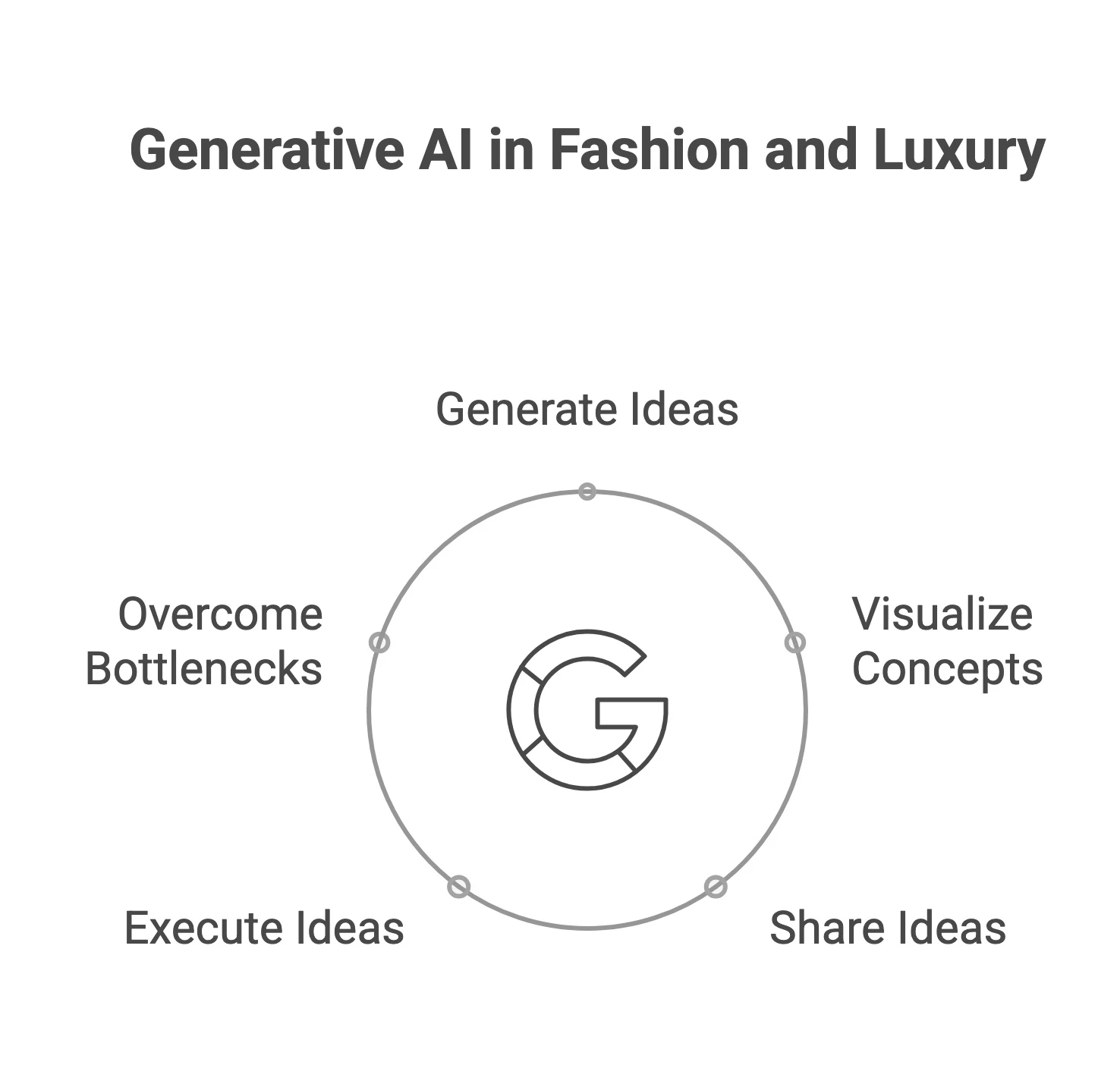
AI is no longer just a back-end efficiency tool. It's starting to transform how creative ideas are surfaced, shared, and executed, especially in visually driven industries like merch.
In fact, generative AI could add up to $275 billion to the apparel, fashion, and luxury sectors’ operating profits within the next three to five years, according to a 2023 McKinsey report.
Yet for many teams, merch ideation remains slow and siloed.
Non-designers often have ideas but no way to visualize them, while creative bottlenecks and approval loops delay momentum.
To shift that dynamic, Monday Merch developed AI Vision Studio.
I spoke with Jeroen Westerbeek, founder and head of growth at Monday Merch, who helped shape the tool to make merch ideation more collaborative, inclusive, and instant.
In our interview, he shared why merch workflows often stall and how AI Vision Studio is helping companies unlock more inclusive, collaborative, and scalable merch planning.
Quick listen: How AI speeds up merch workflows and unlocks team-wide creativity — in under 2 minutes.

Who is Jeroen Westerbeek?
Jeroen Westerbeek is the founder and head of growth at Monday Merch, a global full-service merchandise partner based in Rotterdam. He previously co-founded WoodWatch, a sustainable product brand recognized on the FT1000 list of Europe’s fastest-growing companies. With a background in machine learning and leadership roles in tech and ecommerce, Jeroen focuses on building tools that make creativity and collaboration more accessible across teams.
Let More People Contribute Visually From Day One
In traditional merch workflows, only a few people can move ideas forward. This limits collaboration and slows creative development.
By the time something gets visualized, it’s already been filtered through multiple layers of briefing, reviews, and approvals.
AI Vision Studio flips that dynamic by making visuals the starting point instead of the end result.
Anyone on the team can instantly create mockups of their merch ideas, helping move from abstract suggestions to concrete visuals without friction.
“You no longer need design skills or complex tools to contribute meaningfully,” Jeroen says. “Anyone with an idea can now show, not just tell.”
This early-stage visual input gives a wider range of contributors a chance to shape the creative direction.
“This opens the door for marketers, HR teams, event leads, and even leadership to be part of the visual conversation from day one,” he adds.
Speed Up Workflows With Instant Merch Mockups
Design bottlenecks are one of the biggest slowdowns in merch planning.
When every idea needs to be routed through a designer, feedback loops stretch out and decision-making stalls.
With AI tools, mockups are generated in seconds, removing the dependency on specialized skills to move a concept forward.
Teams can explore options quickly, align faster, and shift from discussion to decision without weeks of back and forth.
“Anyone can develop and share a merch concept without waiting on a designer, which speeds up the process dramatically,” Jeroen explains.
“You don’t need to go through slow feedback loops. Ideas can be generated instantly. It makes merch a faster, more collaborative, and more inclusive process overall.”
The result allows teams to respond to events, campaigns, and internal needs more effectively.
Unlock Ideas From People Outside of Design
Not all great merch ideas come from creatives. In fact, many originate with marketing teams running campaigns, founders with brand vision, or HR teams trying to build culture.
But historically, these teams couldn’t easily contribute because they lacked the tools to bring their ideas to life.
AI design tools give those voices a way to show their thinking, not just explain it.
This makes ideation more democratic and helps design teams focus on refining strong concepts rather than decoding vague briefs.
“Marketers, founders, or ops teams no longer need to wait or rely on someone else to translate their vision, they can just create it themselves,” Jeroen says.
“It’s creative, fast, and empowering. We’ve seen users who never touched design software light up as they explore new merch concepts and bring their thinking straight into the conversation.”
This shift encourages broader ownership of brand and culture, with more people invested in the outcome.
Focus Strategic Conversations on What’s Worth Making
When the creative process becomes more accessible, the conversation inside companies changes.
Instead of asking whether something can be made, teams start asking whether it should be made.
This shift happens when visuals are affordable and easy to produce.
Leaders can evaluate more ideas, compare them side-by-side, and decide what aligns best with brand, timing, and business goals.
“Ideas start flowing from every part of the organization, not just the design or creative teams,” Jeroen says.
“Internal discussions shift from ‘can we make this?’ to ‘should we do this?’ because the barrier to trying things is gone.”
When teams can show ideas early, it’s easier to align, give feedback, and make intentional decisions for one-off event items or long-term merch plans.
Use Merch to Build Culture and Brand
For many companies, merch is still treated as a one-off line item. But when approached strategically, it becomes a high-impact brand tool that connects with both internal teams and external audiences.
Tools like AI Vision Studio help companies move merch planning upstream and closer to campaign planning, internal milestones, and brand storytelling.
“Merch is one of the few brand touchpoints that lives in the real world,” Jeroen says. “Externally, it spreads brand visibility and creates emotional connection with customers, partners, and fans.”
Internally, it can be even more powerful.
“When done right, merch becomes a symbol of belonging, pride, and team identity. It strengthens bonds, builds energy around shared goals, and reminds people they’re part of something bigger.”
Treat AI as a Creative Collaborator
As AI tools become more common, there’s a temptation to treat them as shortcuts for fast content.
But Monday Merch’s approach emphasizes quality and brand intention, using AI to explore creatively.
The best outputs, Jeroen says, come when teams treat the AI like a brainstorming partner rather than a vending machine.
“Key is treating AI like a creative partner, not a vending machine,” he said.
“Bring in your brand, your campaign context, your product thinking, then iterate… When you stay intentional and treat the AI as part of a creative dialogue, that’s when you will get the best results.”
This mindset helps preserve brand personality, avoid generic results, and keep humans in the driver’s seat.
Rethink Who Gets to Shape Your Brand
Merch is a chance to tell your brand story, energize your team, and connect with your audience.
AI Vision Studio allows teams to quickly turn ideas into visuals, helping streamline workflows and support creative thinking across the organization.
As Jeroen puts it, “It turns creativity into a shared capability, not a possible bottleneck.”
AI Vision Studio FAQs
What is AI Vision Studio and how does it streamline merch planning?
It’s a free AI-powered tool that generates photorealistic merch visuals instantly, helping teams ideate faster without relying on designers.
How does it change internal collaboration around merch?
By giving everyone the ability to visualize ideas, it turns merch planning into a collaborative, cross-functional process.
Do users need design skills to create high-quality visuals?
Not at all. Anyone can input a prompt or sketch and get a premium-looking mockup—perfect for pitching, testing, or refining ideas.
How does the tool avoid generic AI outputs?
Users guide it with brand context, descriptive prompts, and feedback. That keeps visuals intentional, distinct, and on-brand.
Why should merch be seen as a brand tool, not just an expense?
Done well, merch builds emotional connection, strengthens internal culture, and extends your brand into the real world, far beyond logos on T-shirts.