
Adidas 'Supernova Rise 3 Adaptive': Key Findings
- Adidas launches Supernova Rise 3 Adaptive globally, designed specifically for athletes with Down Syndrome after years of testing.
- The campaign builds on the "Runner" 321 platform, focusing on product innovation grounded in real athlete needs.
- A partnership with GAMUT and adaptive athletes ensures credibility, functionality, and accessibility across diverse physical and sensory requirements.
Adidas is putting product innovation where its inclusivity message has been all along.
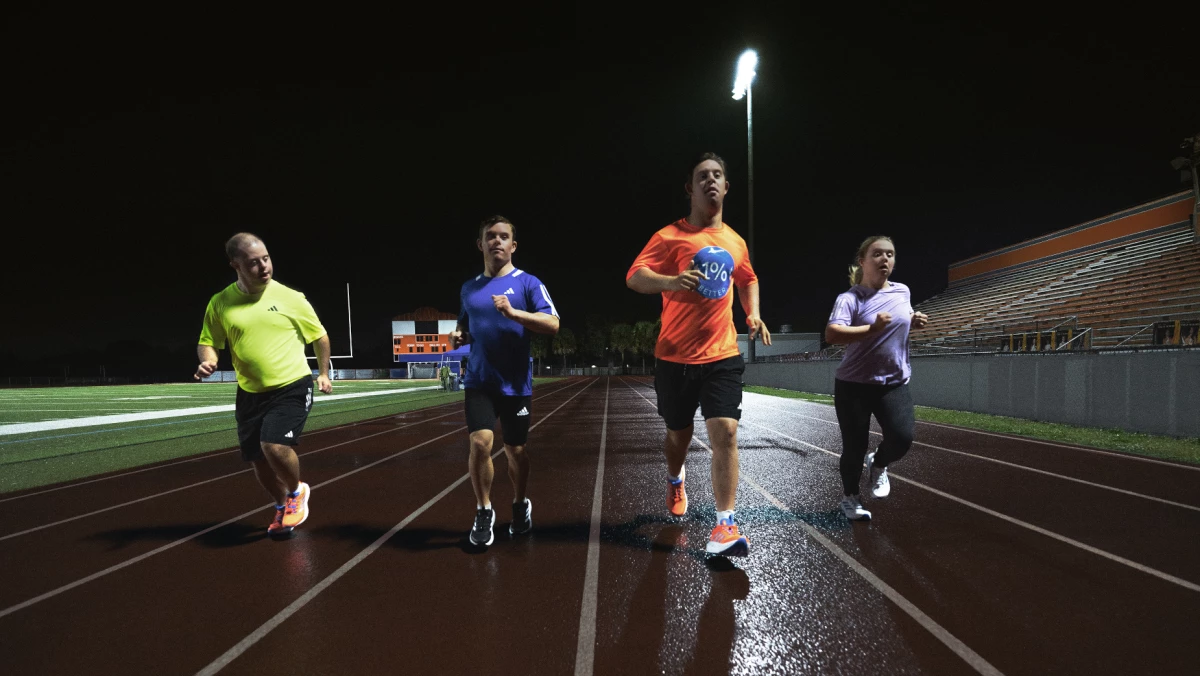
Together with TBWA\Canada, the sportswear brand has officially launched the Supernova Rise 3 Adaptive, a performance running shoe designed specifically for athletes with Down Syndrome.
Released on March 21 to coincide with World Down Syndrome Day, the product marks the culmination of years of research, testing, and direct collaboration with adaptive athletes.
It builds on Adidas’ earlier “Runner 321” effort, which introduced Chris Nikic as the first Ironman athlete with Down Syndrome and positioned him as a central voice in the brand’s approach to accessibility.
This time, the focus is more on product delivery than storytelling.
“What feels like a two out of 10 in pain for most people hurts like an eight for me,” Nikic explained in a press release.
“Adidas understood exactly what I needed in a shoe. Now I love running — because my feet don’t hurt anymore.”
That insight shaped the product from the ground up.
Adidas partnered with GAMUT Management, a specialist in inclusive design, to address the specific foot structure and sensitivity challenges associated with Down Syndrome.
The result is a shoe that prioritizes comfort and usability without sacrificing performance.
Paralympian Tracy Otto, who was also involved in testing, emphasized the impact of the collaboration.
"The entire team was devoted to making this the best adaptive shoe available, building in features that give me the freedom and independence I've been missing for so long," she shared.
For Adidas, the launch strengthens the brand’s long-standing brand advocacy, where credibility is derived from real solutions.
Built With Real Athletes
The Supernova Rise 3 Adaptive is packed with features informed directly by user feedback.
These include a reformulated foam for softer cushioning, a wider fit, an easy step-in heel, and a low-pressure lacing system.
Functional details like magnetic toggles, heel loops, and tactile visual cues were designed to support athletes with mobility, sensory, and fine motor challenges.
The product was tested across a wide group, including individuals with Down Syndrome, wheelchair users, and athletes with limb differences.
This approach earned the shoe the GAMUT Seal of Approval, which made it all the more credible within the adaptive community.
The campaign will roll out globally, ensuring accessibility is not limited to niche markets.
Adidas’ Adaptive Product Launch
Adidas offers a grounded example of how inclusive design can move into meaningful product innovation:
- Product innovation is more credible when it’s shaped directly by communities. When brands co-create with real users, the end product becomes a reflection of actual needs.
- Long-term campaigns work better when they move beyond storytelling into real, functional solutions.Nearly 90% of consumers are willing to pay more for brands they trust, proving that trust built through experience improvements can directly impact buying behavior.
- Partnerships with specialists and real users help brands avoid performative inclusion. These collaborations ensure products are actually useful in everyday life.
The real test now will be whether Adidas continues expanding adaptive performance into more categories or treats this as a one-off release.
Our Take: Can Inclusion Be Engineered?
Adidas' efforts start with a problem, one that’s been ignored for years, and actually does something about it.
The brand wants you to know that it wasn't rushing into a solution.
It’s slow work, built with people who’ve been waiting a long time to be considered.
Most brands talk about inclusion like it’s a campaign window, but Adidas treated it like a design brief.
That’s a harder road, but it’s the only one that sticks.
If brands are serious about reaching new audiences, they can't just tell their stories, but must build with them in mind.
In other news, another Adidas campaign is exploring how originality can be translated into retail experiences through its "Do Not Duplicate" platform.
Human-driven stories always capture the hearts of the audience.
These top agencies help companies apply timeless storytelling with modern experiences.