
Last week, A24's Elizabeth Holmes documentary "You Can See Everything" opened to about $15 million from 855 theaters.
It's roughly double the $7 million to $8 million that Variety projected for the film.
"You Can See Everything" also posted the biggest opening for a non-music documentary since "Fahrenheit 9/11" in 2004.
A24 reportedly spent under $7 million to make the film and less than $10 million to market it.
Holmes' infamy from the Theranos scandal did much of the promoting, alongside a viral teaser that social media turned into a meme.
In other words, a famous name and a single shareable clip did the work of a paid campaign here, which gives brands and agencies something to study.
Below, we break down how A24 built the rollout and what marketing teams can borrow from it.
A24 Found a New Story in a Familiar Scandal
Holmes founded the blood-testing startup Theranos in 2003 at age 19, then dropped out of Stanford the following year.
The company promised tests that needed only a pinprick of blood.
Investors valued the company at about $9 billion by 2014, which put Holmes' paper fortune at an estimated $4.5 billion.
Reporting by John Carreyrou of The Wall Street Journal found that the technology did not appear to work as claimed, and Theranos dissolved in 2018.
A jury convicted Holmes of defrauding investors in January 2022, and she began an 11-year sentence in May 2023.
Her image became part of the story, including the black turtleneck she copied from Steve Jobs and her "iPod of healthcare" pitch for the blood test.
Theranos even hired TBWA\Chiat\Day, the agency behind Apple's "1984" and "Think Different" ads.
The agency then developed and produced the "One tiny drop changes everything" campaign.
Former employees said that her deep voice was an act, while Carreyrou also described her unblinking stare as "almost hypnotic."
Audiences knew this image years before A24 released the teaser, so the clip's wide-eyed stare matched what they already expected.
The documentary began when Holmes and her partner, Billy Evans, asked A24 whether it wanted to make a film about her last days before prison.
They invited the filmmakers into their Del Mar, California, home 34 days before she reported to jail.
A seven-person crew then shot 16-hour days, with cameras covering the whole house.
The film's co-director, Nathan Fielder, added his own following from "Nathan for You" and "The Rehearsal," clips of which remain popular on social media.
This following helped pull a young crowd, with about 70% of the opening-weekend audience under the age of 35.
As it turns out, a secret documentary about a famous fraud case suited Gen Z's appetite this year for releases that feel like real events.
A name and face that audiences already know from a well-known case let the teaser open straight on its angle.
And this ultimately spared A24 the backstory setup that eats up most movie trailers.
One Teaser Gave the Internet Something to Share
On September 6, A24 released a teaser focused on a short exchange between Holmes and Fielder.
Fielder asks whether she is lying to him, and Holmes answers with a wide-eyed stare and the line, "Why would I deceive you?"
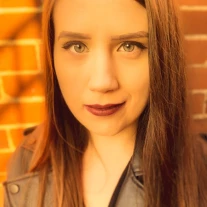
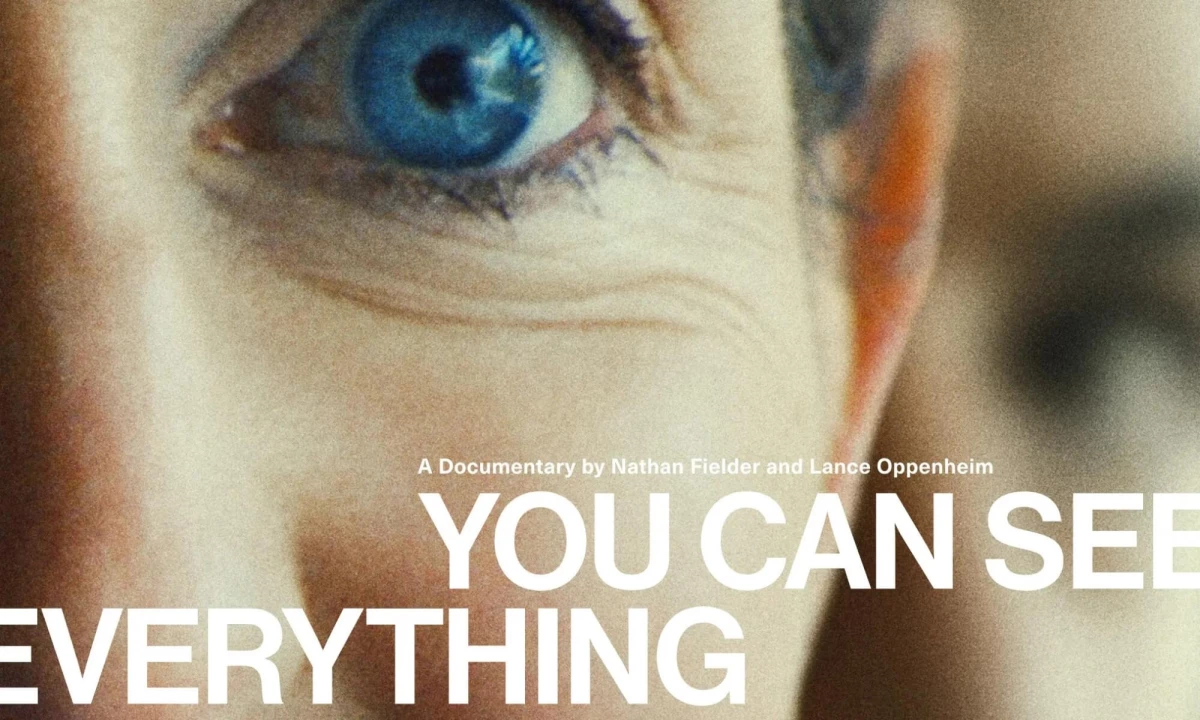
Holmes' now-signature piercing gaze made the exchange uncomfortable and funny at once.
Users adopted it as a reaction image, captioning Holmes and Fielder as a couple with Holmes as the spouse or parent making excuses.
Other versions applied the line to everyday situations, from canceling a gym membership to tricking a dog into taking a pill.
One X post sharing the teaser gained more than 32 million views in three days. It now has nearly 40 million views.
Seth Meyers and Kate McKinnon recreated the exchange on "Late Night," which brought the clip to a television audience.
Even Holmes' partner, Billy Evans, weighed in on the "All-In" podcast, saying that "she looks insane" in the teaser.
Viewers enjoyed the teaser as entertainment in its own right, so it kept circulating outside the campaign that produced it.
A clip this open to interpretation keeps a viral campaign running on its own, with every new reading becoming another post that others can copy.
Secrecy Made the Attention More Valuable
A24 kept the film secret until a surprise Telluride Film Festival screening on September 6, leaving less than six weeks before the October 16 release.
Festivalgoers had their phones locked in pouches before the screening, while security teams wore night-vision goggles.
The film had not been announced before the screening, so the reveal made news on its own.
Fielder gave no interviews before the release, leaving the film's secrets and the teaser to generate the talk.
A24 then followed the teaser with OOH ads that ran the title across Holmes' eyes in an extreme close-up.
Thursday previews alone earned $1.75 million, and the weekend total beat every pre-release forecast from the major trade outlets.
Because the window was short and fixed, each teaser, poster, and screening focused on one goal, which was keeping audiences talking until opening day.
Sellout Records Kept the Film in the News
A24 opened the film in only 855 theaters and reported more than 2,000 sold-out screenings.
"You Can See Everything" even beat "Street Fighter" at the Monday box office with $2.57 million.
It was also the largest non-concert opening on fewer than 1,000 screens since "Borat" in 2006.
The sellouts made demand easy to read as A24 expands the film to more than 2,500 screens this weekend.
Every new record gave news outlets a fresh reason to write about the film.
And this coverage handed the independent entertainment company a steady run of earned media.
A24’s approach translates to campaigns of any size, and these steps are a good place to start:
- Audit the fame already attached to the brand: List the founders, partners, and stories that audiences already recognize before planning paid reach.
- Design one clip for reuse: Cut a short, quotable clip that works as a caption or reaction image, since audiences pass along what they can reuse.
- Log earned attention against a set budget: Count parodies and sellouts beside the fixed spend to see how much reach audiences supplied.
Once a brand knows how much attention a campaign earned, it can set the paid reach budget to fit.
Our Take: Can Notoriety Do the Work of Paid Reach?
Elizabeth Holmes' notoriety and one viral teaser did more for this film than a bigger ad budget could have.
We'd say notoriety can certainly do the work of paid reach as this A24 release has shown.
But this only holds as long as a shareable clip gives audiences a reason to pass it along and the product itself delivers.
And the documentary has held up, with a 99% critics' score and the highest rating on film platform Letterboxd.
A24 also had room to sell a convicted fraudster's face because moviegoers treat infamy as entertainment.
Holmes' fame made people stop scrolling, while the teaser gave them a line worth reposting.
Every repost worked like a free ad placement, which is reach that A24 would otherwise have paid for.
"You Can See Everything" grossed more than $23 million in its first five days.
It's already past the under $17 million that A24 reportedly spent to make and market it.
Brands copying this should put the bigger share of the budget into making the clip, since audiences will handle the distribution.
Brands planning campaigns around shareable creative need agencies that know how audiences pick up and pass it along.
Explore these top advertising agencies in our directory.