
Editor’s Note: This is a sponsored article created in partnership with Adverity.
Key Takeaways:
- AI-powered tools are making self-service data access a reality for non-technical users, accelerating marketing insights.
- Unified data platforms ensure consistent, organization-wide access to information, breaking down silos.
- Decentralized decision-making empowers marketers closest to customers to act on real-time data insights.
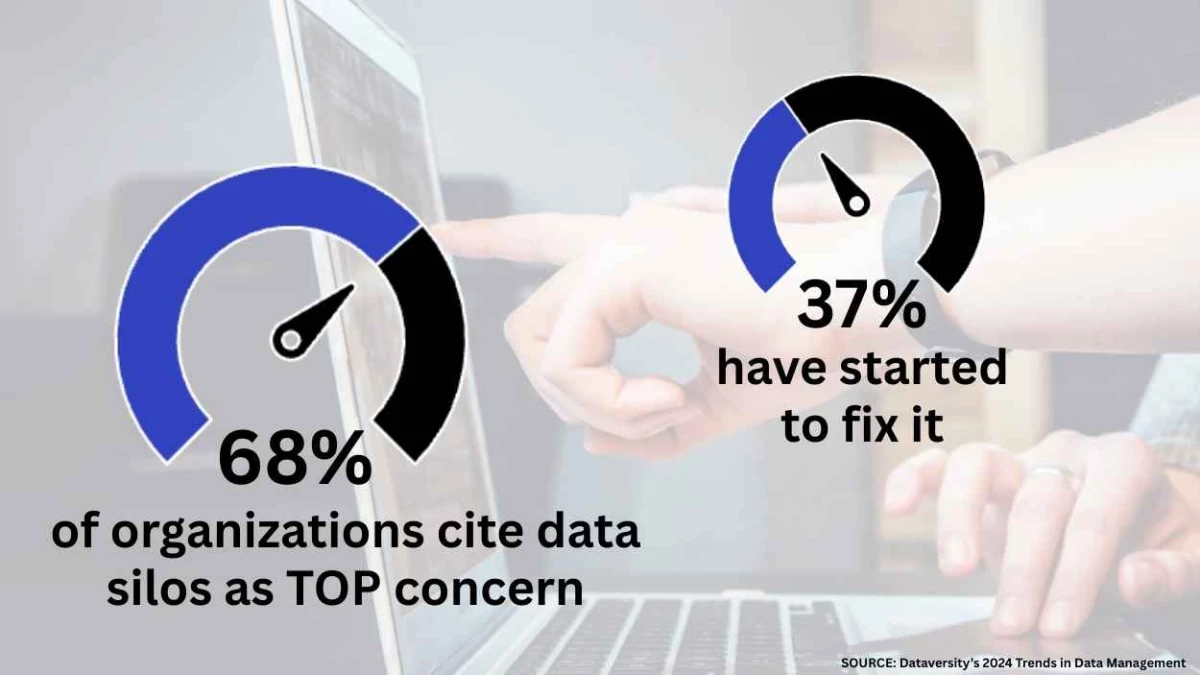
About 68% of respondents to Dataversity’s 2024 Trends in Data Management survey cited data silos as their top concern — a staggering jump from 7% the previous year.
Only 37% have begun prioritizing comprehensive data strategies to align their data and AI strategies, leaving the majority vulnerable to inconsistent, fragmented insights.
Likewise, data democratization, or the ability to make information accessible to all within an organization, can’t happen without high-quality data, for which the demand is rising as businesses mature.
In response to this rise in demand, businesses can expect three key data democratization trends to shape 2025:
1. AI-Powered Interfaces
These AI tools allow organizations to analyze data, set strategies, and drive innovation faster than ever. They benefit both non-technical users and marketers, speeding up access to insights on data patterns that inform about customers, and therefore, more effective business solutions and strategies.
Increasingly, this includes conversational AI, which allows users to ask data questions in plain language without needing SQL or digging through dashboards. This makes self-service insights a reality across the organization.
2. Unified Data Platforms
Businesses can expect a shift to unified data platforms, which allow everyone to access the same information from one source. This will improve alignment, collaboration, and visibility into business performance.
3. Appointed Decision Makers
Businesses will focus decision-making power on those working closely with existing and/or potential customers. This will enable marketing teams to act in real-time on insights.
This trend forecast is according to Adverity, an integrated data platform trusted by leading agencies and brands like Unilever, Colgate-Palmolive, Bosch, and Publicis Groupe.
What Is Data Democratization?
Data democratization allows employees to access and use accurate business data independently. This ensures that everyone can retrieve information from a single source.
Anyone, at any level, can leverage these insights to make informed decisions.
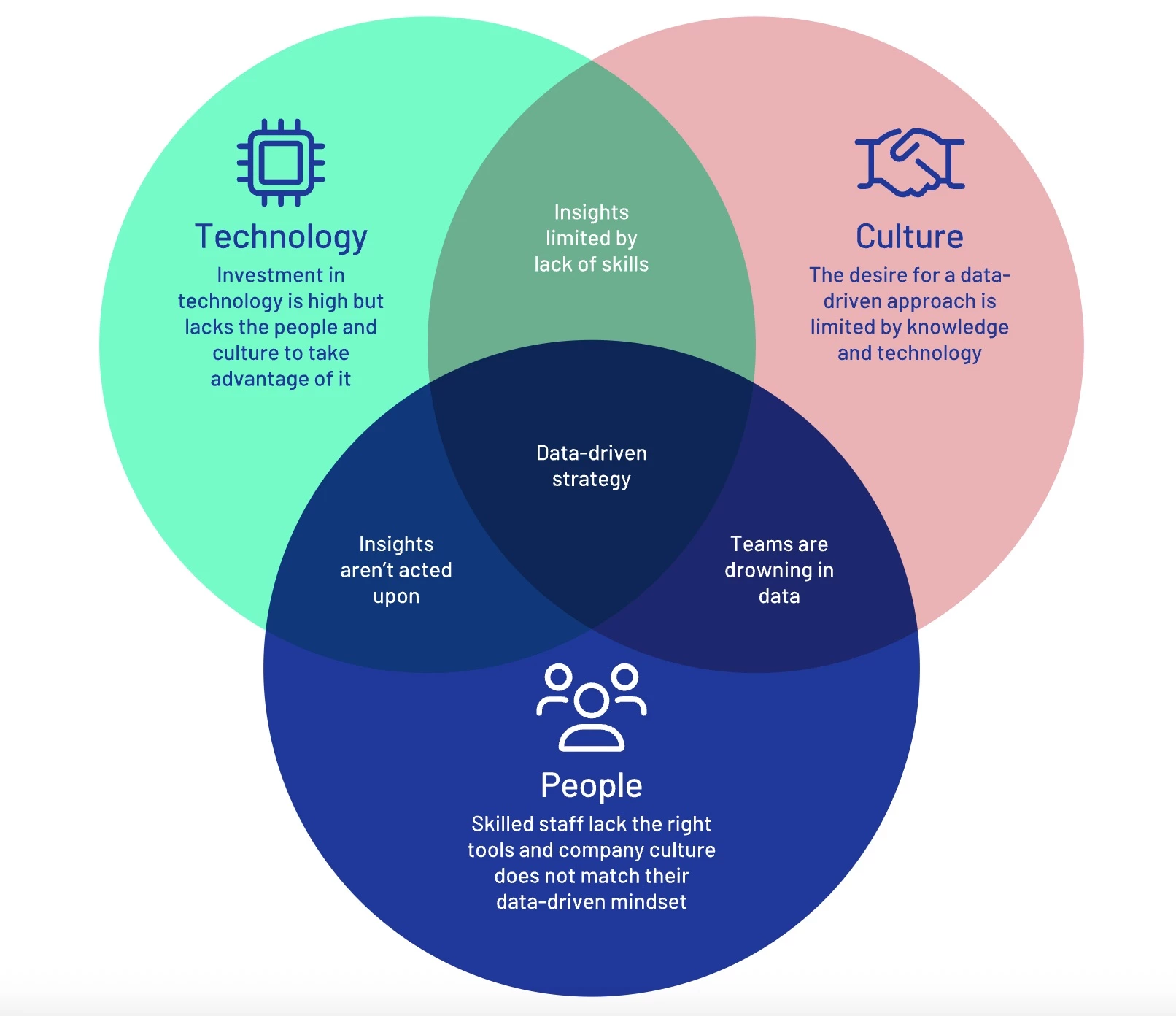
In short, it's about providing the right data to the right people at the right moment.
In 2025, real-time access to data is poised to become a crucial differentiator in optimizing campaigns, refining messaging, and identifying emerging trends.
It will also help marketing, IT, and data teams collaborate more easily.
“By democratizing data, we can remove that potential choking point and allow the business to have more data available to the right people at the right time,” said Fabi de Bernardi, VP of business development at Adverity.
However, the first step to preparing for the future is laying the groundwork.
4 Steps to Prepare
Once this is done, you need to focus on the actions that will set you up for success:
- Invest in the right technology: Consider whether your current tools allow for smooth data sharing and analysis. If they don’t, it might be time to explore platforms that make data access easier for both technical and non-technical users.
- Prioritize data quality: Create processes that enable you to monitor and improve data quality. This involves establishing clear definitions for what constitutes "high-quality data" within your organization, and then making sure your data aligns with business goals.
- Create clear governance policies: Set clear guidelines for data access based on roles and responsibilities. This way, data is shared securely and only with the people who truly need it.
- Foster a data-driven culture: Promote cross-department collaboration and offer training to help employees confidently integrate data into their everyday tasks. For both small and large organizations, this involves introducing a centralized system to ensure data consistency and accessibility, and a single source of truth for everyone in the company.
For marketers, the real power lies in turning data into action, and data democratization will be the key to making that happen.