
Agency Partnership Alignment: Key Findings
- $375 billion in growth is lost when companies pick the wrong agency partner, roughly the size of Netflix’s valuation.
- 3 integration tactics - shared KPIs, an integrated campaign calendar, and weekly cross-channel syncs - are essential to fix fractured agency relationships.
- However, Clear goals, adaptable strategies, and performance-based fees keep partnerships aligned and campaigns on track for sustained growth.
$375 billion in growth is lost when companies pick the wrong partner. According to a Sortlist Company Survey, that sum equals nearly Netflix’s entire valuation as of November 2024.
It illustrates just how fragile agency relationships can be, with 25% failing within the first six months.
Gabriel Shaoolian, CEO of Digital Silk, says the first step is to audit the original scope against delivered results and inspect the reporting cadence and clarity.
That forensic review exposes exactly where goals, tracking methods, or definitions of success broke down.
It’s why a precise scope audit is non-negotiable.
Editor's Note: This is a sponsored article created in partnership with Digital Silk.
Fixing Agency Silos with 3 Tactics
Shaoolian believes the first step is to analyze campaign timelines, message alignment, and channel data to reveal siloes. Then apply three integration tactics:
- Align SEO, content, and paid teams around shared KPIs
- Create a unified campaign calendar
- Hold weekly cross-channel alignment meetings
1. Set shared KPIs across SEO, content, and paid
If your SEO team tracks rankings, paid media chases clicks, and content measures engagement, you’ve got a reporting Frankenstein. Shared KPIs fix that.
- Why it matters: Everyone’s aligned to revenue-driving metrics like qualified leads or conversion rate. No more optimizing in silos.
- What to implement: Define 3–5 shared KPIs. Use one source of truth. Hold every team accountable to the same scoreboard.
2. Build an integrated campaign calendar
A single calendar ties strategy, creative, and timing together across teams.
- Why it matters: It prevents channel clashes, missed launches, and scattered messaging.
- What to implement: Map all campaign activity by week, with clear owners and deadlines. Update monthly as priorities shift.
3. Establish weekly cross-channel syncs
Most partnerships fall apart quietly. Weekly syncs catch the cracks early.
- Why it matters: They create real-time alignment, drive fast decisions, and surface blockers before they stall results.
- What to implement: Keep it focused. Review KPIs, flag issues, and assign actions — no fluff, no grandstanding.
These three tactics restore cohesion and get every channel moving in lockstep.
But even with solid integration in place, things can still unravel.
When reporting becomes inconsistent, goals keep shifting, and communication turns reactive, it’s usually a sign the partnership is already off track.
“Our course-correction playbook includes resetting KPIs, realigning on objectives, and restructuring team workflows,” Shaoolian said.
For example, after resetting KPIs and realigning objectives, Digital Silk helped Online IPS lift LinkedIn ad clicks by 68.9% and boost CTR by 170%:
That kind of turnaround doesn’t just fix a campaign. It also protects the pipeline, preserves the budget, and gets leadership back to measuring what matters.
A well-aligned partnership also needs to be flexible.
Shaoolian’s team from Digital Silk stress-tests every roadmap by simulating shifting budgets, product pivots, and platform changes. These scenarios reveal how quickly a strategy can adapt without stalling performance.
“Internal teams can run similar tests quarterly to gauge how quickly plans can be revised without disrupting performance,” he said.
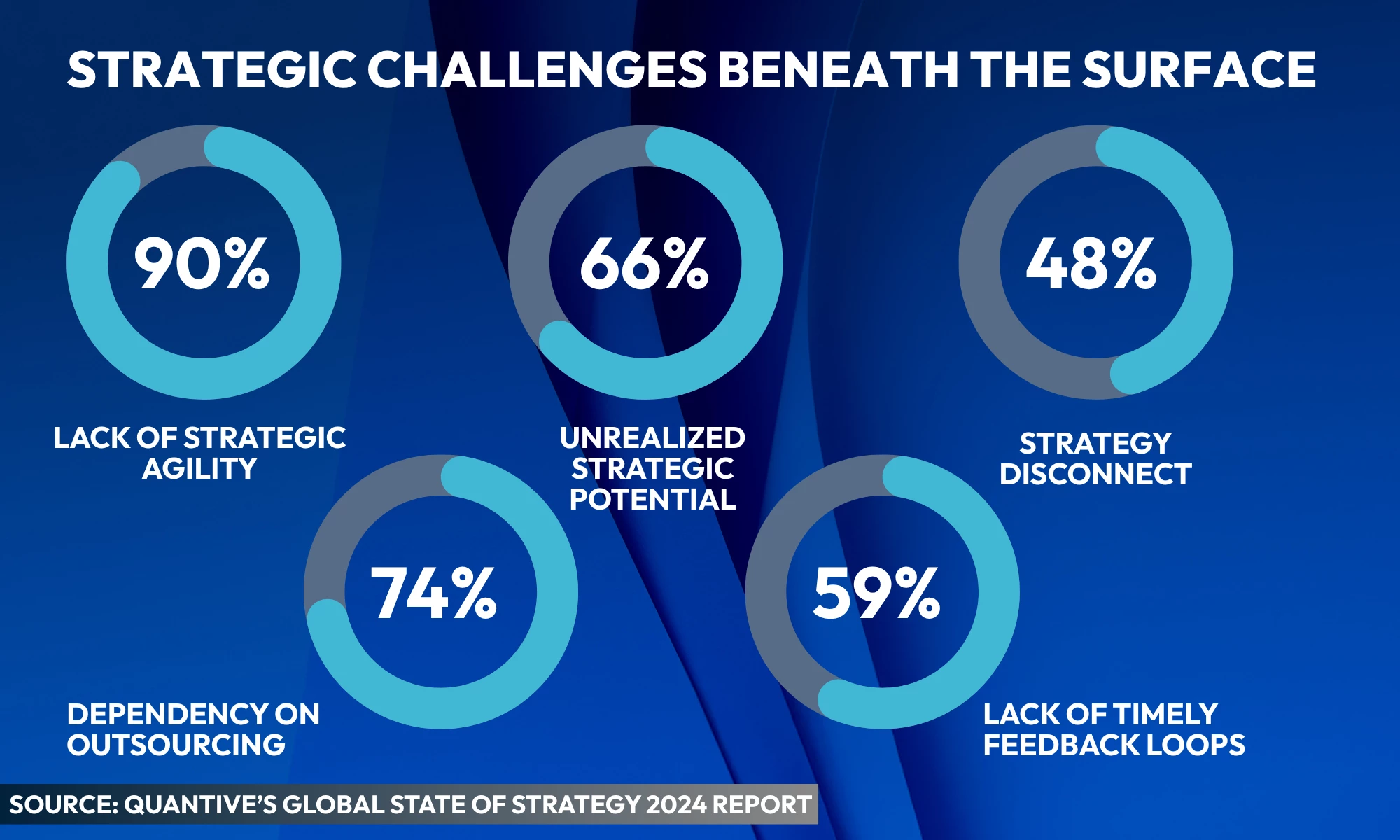
That approach tracks with broader industry data, according to Quantive’s Global State of Strategy 2024 report.
About 90% of organizations struggle to adapt quickly to market changes, representing a gap that puts even well-funded strategies at risk of falling behind.
To keep the partnership aligned over time, Shaoolian recommends structuring agency fees around outcomes:
- Tie base fees to defined deliverables
- Link performance bonuses to lead quality, conversion rates, or revenue impact
That way, both sides stay accountable, and agency efforts remain tied to what drives the business forward.
Successful digital marketing partnerships depend on clear goals, ongoing adaptability, and mutual accountability. Digital Silk’s approach to data-driven strategy and measurable outcomes reflects what it takes for businesses to grow steadily and avoid costly missteps.
For startups, building brand authority through strategic marketing is crucial to scaling faster and smarter.