
Target Black Friday Backlash: Key Findings
- Target's limited-edition tote bag strategy succeeded at driving traffic, but the scarcity model backfired when most shoppers left empty-handed.
- Backlash spread quickly on social media, with videos showing long lines and stores running out within minutes.
- The incident shows how fragile scarcity tactics can be, especially when exclusivity slips into customer disappointment.
Target's Black Friday tote bag giveaway worked exactly as planned.
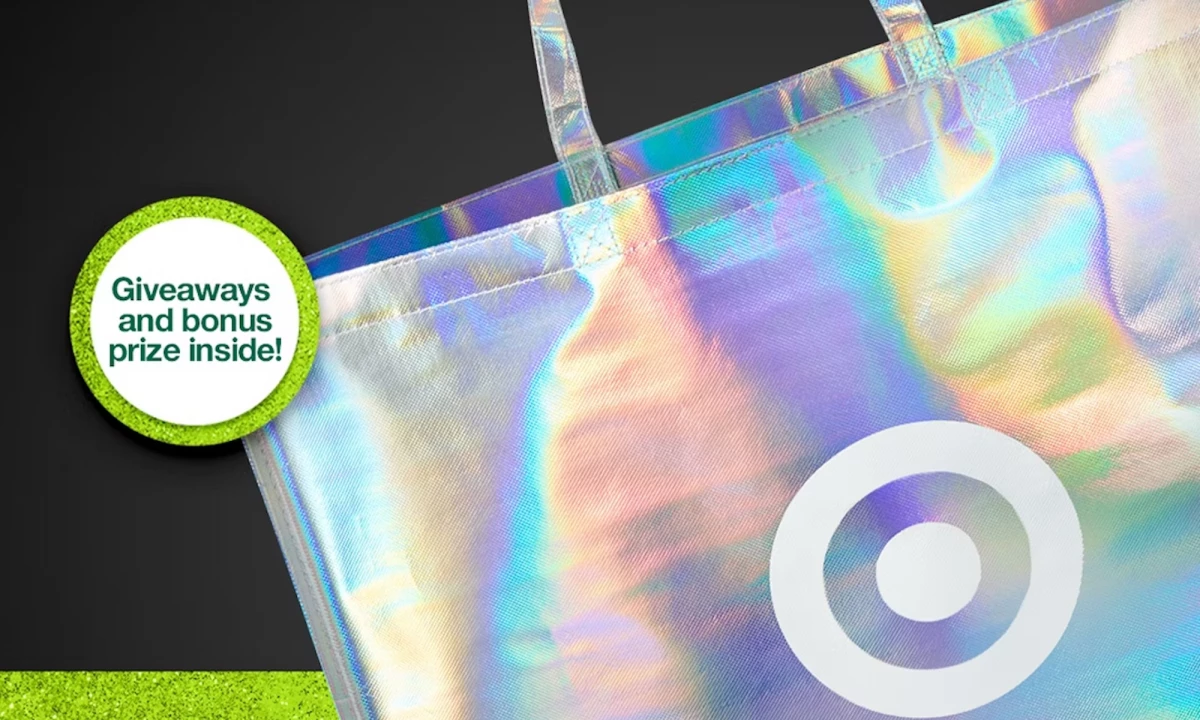
The retailer offered limited-edition iridescent tote bags to the first 100 customers at each store, with 10 "golden bags" containing prizes worth $99 to $350.
Stores filled with shoppers early Friday morning, making Target the standout in an otherwise quiet retail day.
Then the backlash hit.
By Friday afternoon, social media was filled with complaints from shoppers who waited in long, cold lines only to leave without bags.
The early crowds showed the giveaway’s success at attracting customers.
However, the limited supply meant most shoppers left disappointed, setting the stage for the social media backlash that followed.
The Strategy That Drove Early Traffic
Target's approach addressed a specific Black Friday 2025 challenge.
With consumers now equipped with AI and price-tracking tools exposing similar discounts across retailers, standard markdowns weren't enough to differentiate.
The tote bag giveaway created something that couldn't be price-matched, and the execution followed proven scarcity marketing principles.
The promise of giving bags to the first 100 customers created urgency, while the golden bag prizes added gamification.
On top of it all, the iridescent design made the bags Instagram-worthy.
The strategy delivered exactly the early-morning surge Target wanted.
But it also set the stage for the consumer frustration that would unfold online just hours later.
The Social Media Backlash
The problem emerged in the gap between expectation and reality, and TikTok videos posted throughout Friday showed the disconnect.
One Fresno Target shopper told local news she arrived at 5:30 a.m. for the 6 a.m. opening and still missed out.
While another video showed a line of at least 150 people outside a store that had 100 bags.
The Mirror reported customers describing the experience as "disappointing" and "misleading."
Comments on social media also questioned whether Target intentionally created lines knowing most shoppers would leave empty-handed.
The outcome is similar to another recent scarcity marketing moment.
When Starbucks' $30 Bearista Cup sold out nationwide in hours earlier this month, it caused widespread negative reactions that the coffee giant had to apologize.
Both strategies created lines and social media buzz, but also damaged brand trust.
Black Friday 2025 saw criticism of price manipulation, with Amazon facing complaints about inflated "deals."
This meant that shoppers who were already skeptical of retail tactics viewed Target's scarcity model as another form of deception.
Target's tote bag incident offers three clear lessons for brands building experiential activations:
- Use scarcity carefully, because offering exclusivity to a small group while hundreds wait moves quickly from excitement to frustration.
- Set expectations early, making limited availability clear before people commit hours in line.
- Balance exclusivity with participation, ensuring most shoppers walk away with something even if only a few get the premium reward.
While scarcity can drive traffic, broad, accessible benefits are what create lasting value for all customers.
Our Take: Does Scarcity Marketing Still Work?
I think Target miscalculated the optics here.
The tote bag giveaway succeeded at its primary goal of attracting customers and banking on brand loyalty, but the backlash erased any goodwill from the activation.
The issue here is using extreme scarcity for a mass retailer that typically serves thousands of customers per location on Black Friday.
Retailers can create exclusivity without making most participants feel like they wasted their time, but it requires matching activation scale to expected turnout.
In other Target-related news, the retailer recently brought back its beloved "Hot Santa" Kris K., alongside new holiday mascots and immersive in-store experiences.
Need help designing retail branding strategies that build excitement without backlash?
Explore top retail advertising agencies that specialize in experiential strategies for national brands.