
Svedka Super Bowl AI Ad: Key Findings
- Svedka’s first Super Bowl ad relies heavily on AI to rebuild its long-retired Fembot mascot, reflecting how brands are merging tech-driven production and human creative direction.
- Svedka’s AI-driven Super Bowl debut serves as a brand relaunch under Sazerac, positioning AI as both a creative tool and a symbolic break from the stagnation seen under previous ownership.
- The campaign turns fans into co-creators through a social dance challenge, showing the effectiveness of using audience participation to fuel algorithmic reach ahead of game day.

Campaign Snapshot
Svedka is stepping onto the Super Bowl stage for the first time, and doing it with a robot.
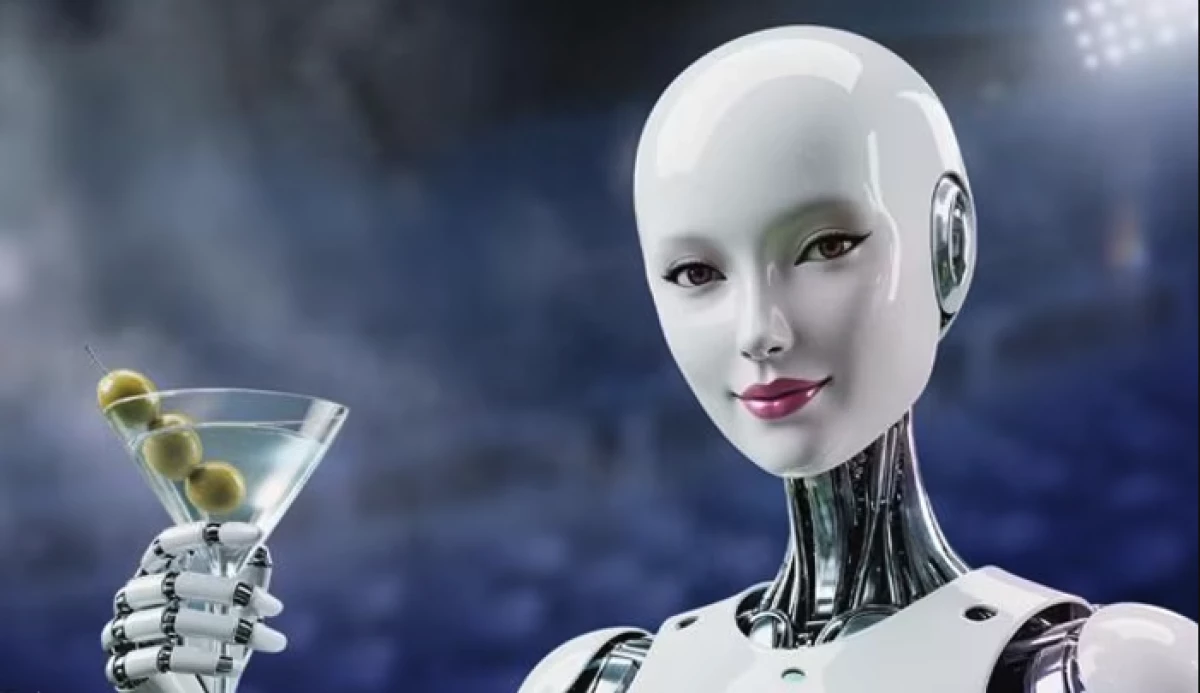
The vodka brand will air a 30-second commercial during Super Bowl LX on February 8, 2026, built around an AI-reconstructed version of its mid-2000s “Fembot” mascot.
The character, who had been retired for more than a decade, was brought back this fall as part of Sazerac’s effort to relaunch the brand after acquiring it from Constellation Brands.
Sazerac partnered with AI firm Silverside, which recently assisted Coca-Cola on a holiday campaign, to create the spot.
The firm spent roughly four months reconstructing the Fembot and training the systems needed for the ad’s performance, according to Saunders.
Sazerac Chief Marketing Officer Sara Saunders said the team used AI to rebuild the Fembot and train the system on facial expressions and body movements, true to the original character.
Despite the advanced tooling, the work was far from automated.
"Every single piece of the ad has been hand-held and art-directed—almost as though the AI is an animation tool,” she said, noting that the process 'has required more work' than many traditional productions."
Saunders also pushed back on the notion that AI replaces human creativity:
“We’re not in a world in which we can prompt creative ideas. The ideas still have to come from the brand team.”
Svedka’s approach blends the familiarity of a once-popular mascot with production methods that signal the brand’s repositioning.
Nostalgia Meets Tech for the Big Game
Alongside the revived Fembot, the brand introduced a new character, BroBot, whose movements will derive from user-submitted choreography in a TikTok and Instagram dance contest.
Adult participants can submit dance routines, and the winning moves will appear in the final Super Bowl spot.
The strategy builds early buzz and lets the campaign gather momentum long before game day.
Svedka’s decision to debut on the Super Bowl signals Sazerac’s renewed commitment to the brand and reflects the shifting dynamics of alcohol advertising.
When Anheuser-Busch gave up exclusive category rights, competition for airtime opened up, giving brands like Svedka a chance to enter the field.
Silverside AI, launched by Pereira O'Dell in partnership with Serviceplan Group, provides the technical backbone behind the Fembot revival. By blending advanced AI tools with hands-on creative direction, the partnership positions this spot as a preview of where large-scale production is heading.
Market Signals Behind the Move
Marketers across categories are leaning further into AI for creative development, exploring whether it can speed up production, unlock new visual directions, or rethink how assets are built altogether.
Saunders acknowledged that Svedka had been slipping before the acquisition due to years of underinvestment.
The Super Bowl, she said, represents a clean break; a moment to reintroduce the brand to new consumers while rebuilding equity with the people who already know it.
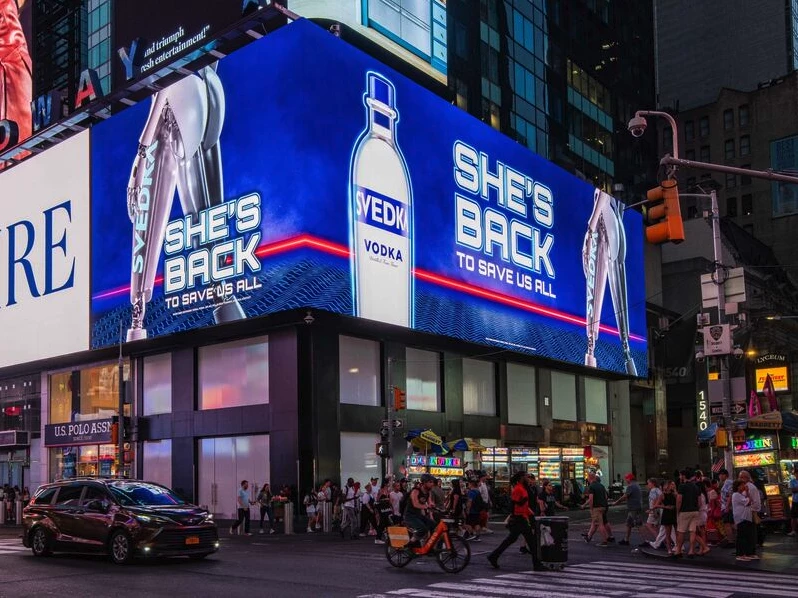
Svedka’s Super Bowl debut offers an example of how legacy brands can modernize without losing their roots.
The campaign blends AI, nostalgia, and consumer participation, an increasingly relevant mix for marketers navigating shifting expectations:
- Reviving a retired mascot provides a familiar brand anchor while allowing new technology to refresh how that identity shows up.
- Integrating audience participation early in the process builds momentum and extends engagement beyond the broadcast window.
- Applying AI within a human-directed creative framework signals a pragmatic model for future large-scale campaigns.
For brand leaders, Svedka’s move highlights a path forward: embrace modern tools, keep creative control grounded in human insight, and build campaigns that invite consumers into the process.
Our Take: Is Svedka’s AI Fembot Ready for Super Bowl Scrutiny?
We think Svedka is making the kind of bold move the Super Bowl stage is built for.
The AI-revived Fembot carries nostalgia, visual intrigue, and a clear story that helps the brand reintroduce itself with confidence.
The crowd-sourced choreography is a smart touch too, giving the campaign early momentum and tapping into creator culture.
Our only hesitation is the execution. AI can feel inventive or it can feel gimmicky, and Super Bowl viewers will decide quickly which side this lands on.
If the character feels expressive and intentional, Svedka could regain cultural relevance faster than a traditional relaunch.
If it reads as synthetic, the idea risks being dismissed as novelty.
Still, this is the right kind of risk. Svedka is showing it wants to modernize its identity and use AI in service of the creative idea, not as a shortcut (a direction more brands will likely follow).
Coca-Cola has taken a similar path, using AI to reimagine its classic “Holidays Are Coming” commercial, signaling how major brands are turning to AI to modernize familiar assets.
Looking to tap into the same blend of creativity and technology shaping Svedka’s Super Bowl push? Explore Top Creative Agencies on DesignRush