
Nike’s ‘Show Dem’ Campaign: Key Findings
- Nike reframes African football as an emotional counterweight to overcoached modern play, using culture to reset global perception.
- Centering Jay-Jay Okocha proves legacy icons can still carry a campaign as cultural voices, not nostalgic figures.
- Extending the film into participatory TikTok challenges shows how brand storytelling can scale when fans become visible contributors.

Campaign Snapshot
Nike is putting African football’s raw energy at the heart of its latest global campaign ahead of the Africa Cup of Nations.
In the run-up to the tournament, Nike teamed with Wieden+Kennedy on a campaign built around a simple premise: where did the joy and flair in football go?
To answer critics who say “the game’s gone,” Nike appointed Nigerian legend Jay-Jay Okocha as its “chief flair officer,” a role meant to celebrate unfiltered expression on the pitch.
Okocha’s first act in the role was to publish a letter to the football community, launching his post and gifting classic Naija ‘96 jerseys as an invitation for fans to “see where the game went.”
Across the campaign, Nike brings together a mix of established stars and creators from across Africa and its diaspora.
Triple-AFCON winner Rasheedat Ajibade, Ghana international Freda Ayisi, Morocco midfielder Ismael Saibari, and Nigeria star Obafemi Martins feature in the film.
They're featured alongside digital creators Wizzy, Appie, and Gamey in an epic match that pushes freedom over rigid tactics.
Subsequent activations extend onto social media platforms with TikTok skill challenges that call on the next generation of players to “Show dem.”
How to 'Show Dem'
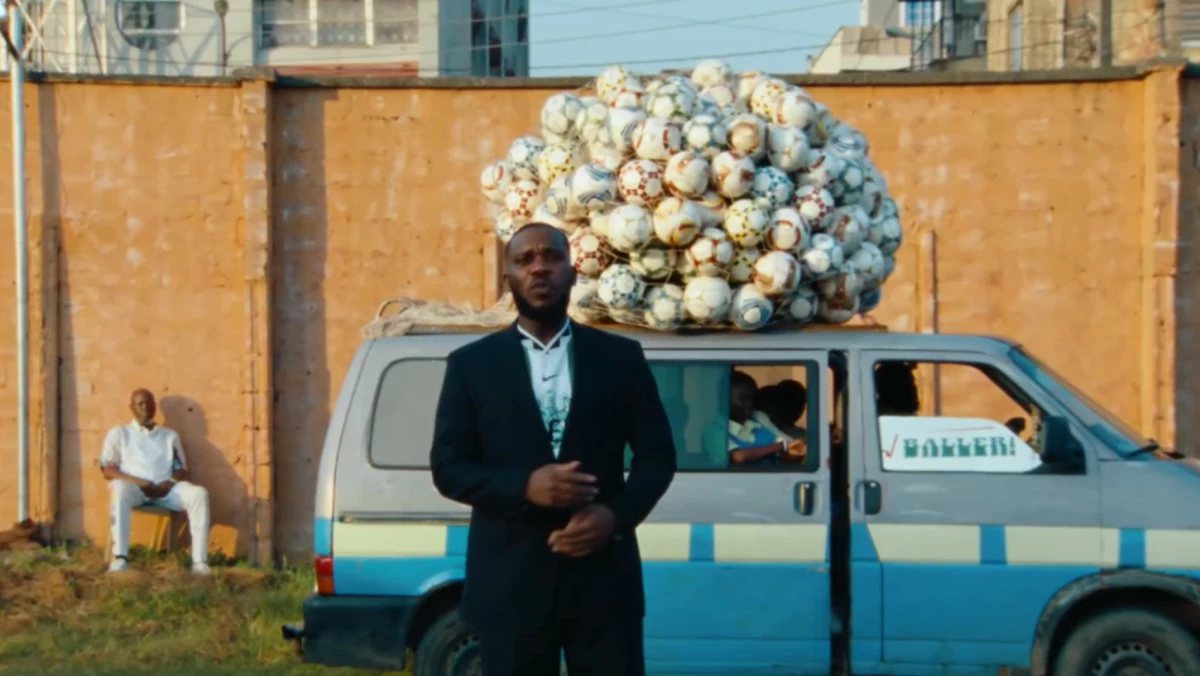
The central film places Okocha at its center, not just as a former star but as a cultural translator.
"The word on the pitch is the game's got boring. Nah, they're just not watching."
“They say the game’s gone, let’s show dem where it went,” he says in the spot, delivered straight to camera as he steps out of a limo with a Super Eagle emblem.
He anchors a narrative that contrasts prescriptive modern football with the spontaneity seen on streets and fields throughout Africa.
Participants in the film come from diverse backgrounds and generations, emphasizing that football’s soul is found everywhere fans and players play.
Ultimately, Nike’s ongoing brand marketing efforts in African football echo its historical approach to storytelling through sport.
Nike’s 'Show Dem' Is a Lesson in Sports Storytelling
The sports giant's latest work offers a clear example of how narrative can elevate sports marketing beyond simple sponsorship.
Here, we learn:
- Campaigns rooted in authentic cultural expressions can build a deeper connection than traditional tournament ads.
- Leveraging iconic figures like Okocha helps bridge generational gaps and reinforces brand identity across diverse audiences.
- Integrating social trends and challenges on platforms such as TikTok can amplify engagement and spark organic participation.
Last year, Nike’s annual revenue was about $51.4 billion, showing the brand’s scale despite the ever-competitive global market.
Our Take: Can Culture Drive Football Marketing?
To us, Nike’s latest campaign packs an emotional punch, showing how deeply cultural storytelling can resonate.
Honoring African football as the “antidote” to overly controlled systems allowed the brand to tap into a feeling that many fans around the world share: passion matters more than precision.
It all feels like a narrative repositioning at a time when global football feels stuck between data and desire.
Campaigns like this prove that brands can make you feel something when they let culture lead, and not just your run-of-the-mill celebrity endorsement.
In other news, Nike and Air Afrique launched another culturally resonant campaign featuring Didier Drogba, Oumou Sangaré, and Marie-Josée Ta Lou-Smith.
Human-driven stories and technology can definitely coexist. These top agencies help companies apply timeless storytelling with modern experiences.