
Key Findings:
- Little Caesars leaned into fan obsession for the return of its Pretzel Crust with a clever social hoax that garnered over 2.1M impressions.
- The campaign featured a fake executive and chaotic “hacked” social media posts.
- A well-timed surprise can grab attention, spark buzz, and get people talking without relying on paid ads.
Little Caesars brought back its beloved Pretzel Crust — but not before sending fans on a wild goose chase.
Together with creative agency McKinney, the pizza brand launched a stunt to hype up the return of the much-awaited offering.
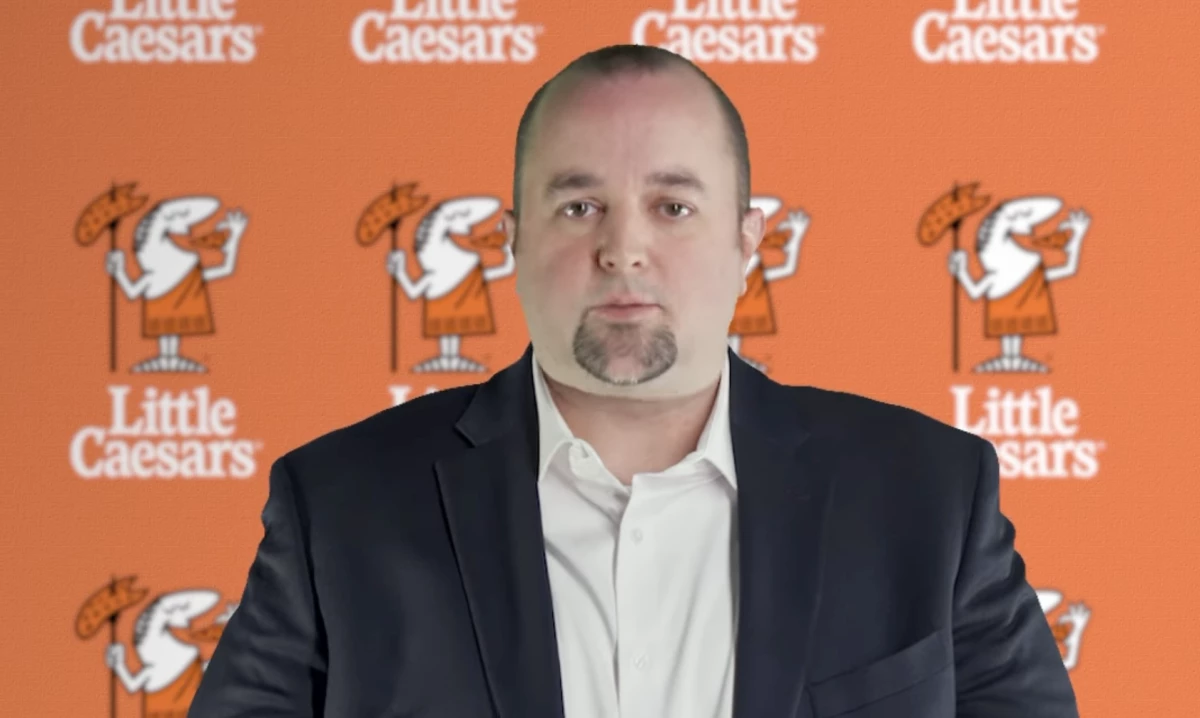
The stunt centered around the fictional executive Alex Hartfield, VP of Menu Innovation.
Social media posts from the brand encouraged fans to call Hartfield and demand the return of the Pretzel Crust, complete with a phone number that went straight to a voicemail.
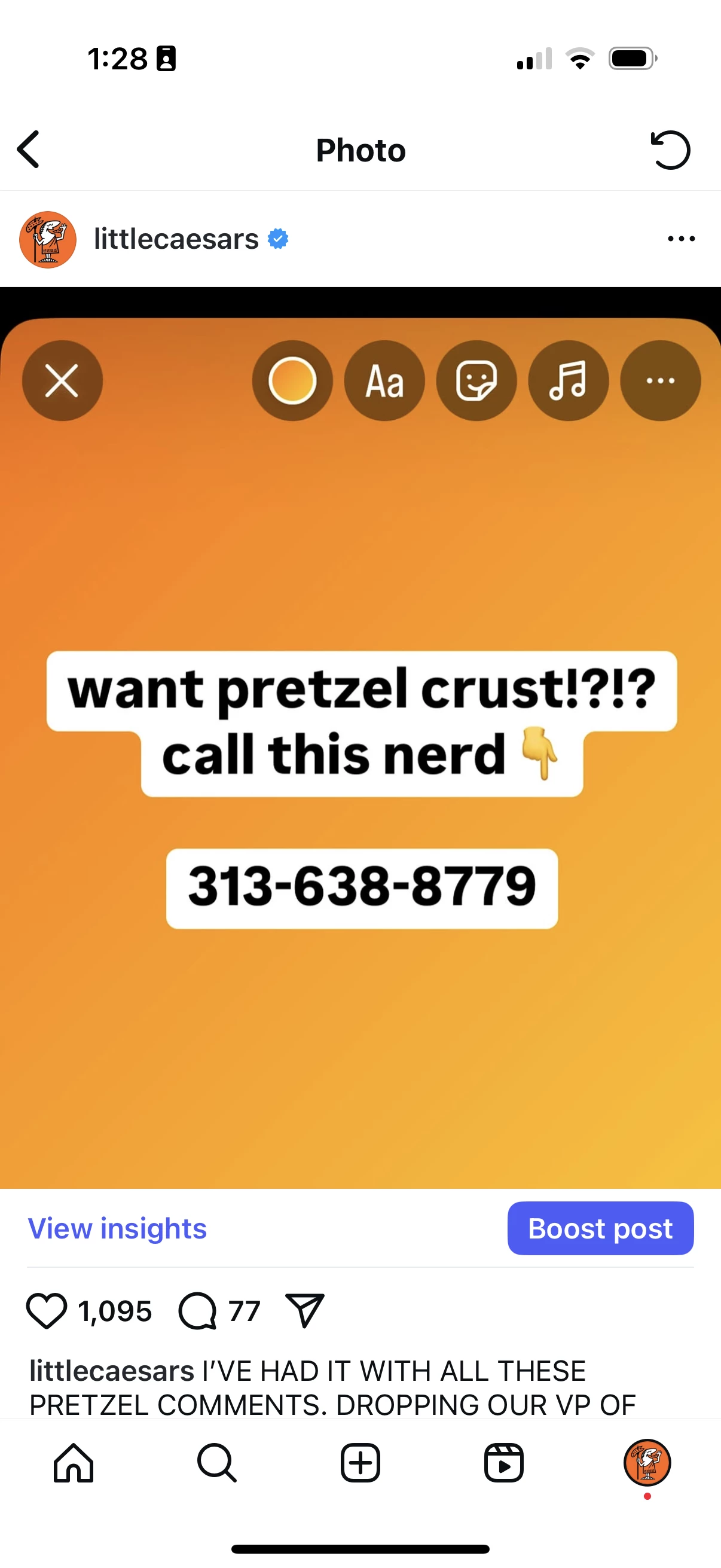
The catch? Alex isn’t real.
Still, that didn’t stop fans. The number received over 130 voicemails and 33 texts, crashing twice from the volume.
When the phone line went down, the team added a fake email address — which pulled in 55 messages.
McKinney even created a fake LinkedIn profile for the exec, building him up as the Pretzel Crust savior fans had been begging for.
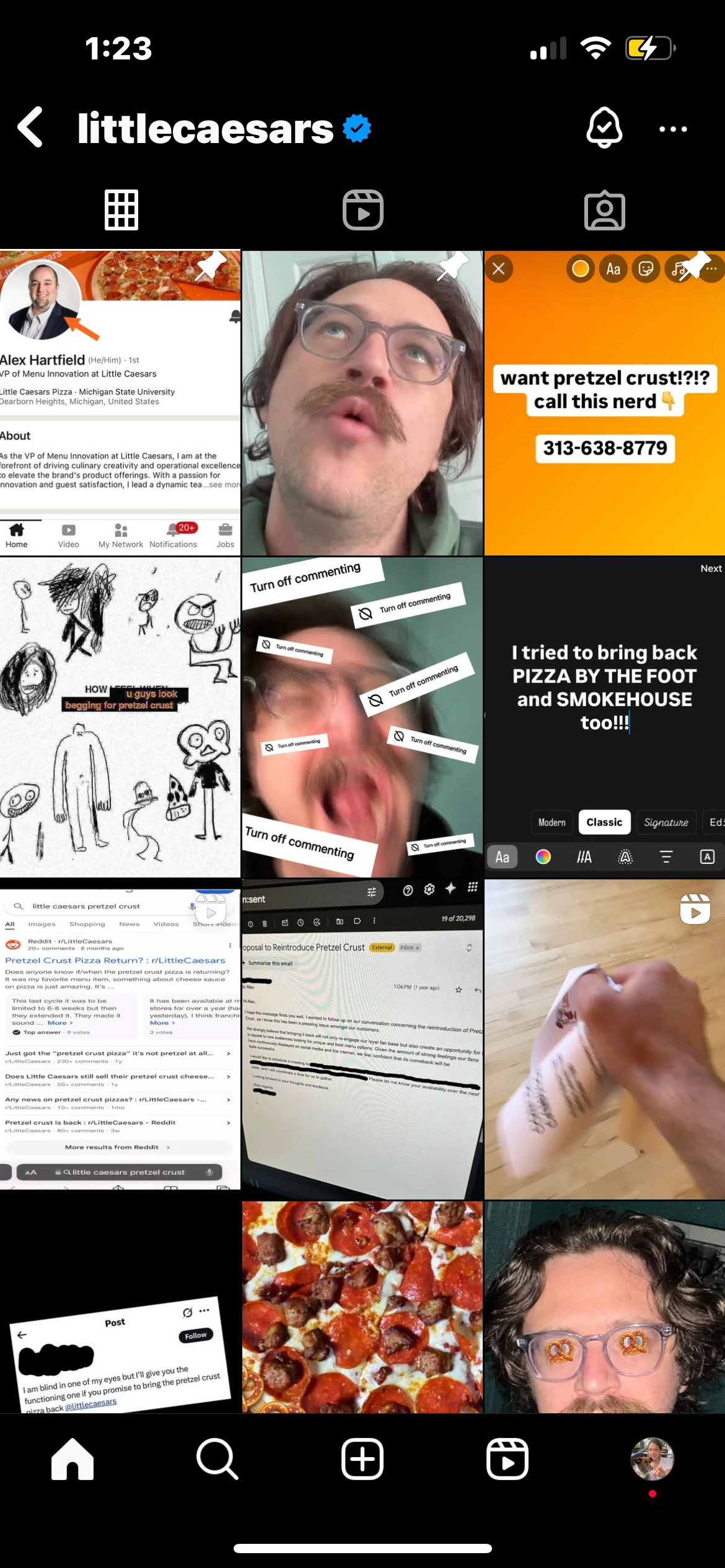
As part of the chaos, Little Caesars' social media manager “crashed out” across platforms.
He started posting frustrated rants in real-time, supposedly overwhelmed by nonstop Pretzel Crust pleas.
After a few hours, the brand returned to normal, issuing a faux apology and acknowledging the outpouring of love for the limited-time crust.
The Pretzel Crust Press Tour
To top it all off, the brand released a tongue-in-cheek press conference video, where “Alex Hartfield” formally announced the Pretzel Crust’s return today, April 7.
Fans were quick to question the authenticity of the video, which only added to its comedic factor.
Apart from the fake public statement, the pizza joint created other social posts, including a single apology post that drew 1.2 million views on Instagram alone.
A few other posts leaned into the "hope core" trend, where callers expressed their love for the Pretzel Crust, bolstering the brand's Gen Z-catered social media marketing efforts.
The campaign, which ran entirely on organic content, hit over 2.1 million impressions and 87,500 engagements across Instagram and X.
KOPI Founder Jeremy Koh weighs in on why campaigns like this resonate so well:
"In a world where influencers and media dictate the narrative, it's more important than ever for brands to build their own media platforms, one that can give them more control and profitability longer term.
Brands must strive for imperfect yet deeply human executions. Social is a complex system but at the core of it, it is about relating to the masses. With the explosion of digitalization and AI, 'human-ness' is deeply underrated and can be extremely powerful in communications."
With fans as passionate as Little Caesars', even a fake VP couldn't stop the Pretzel Crust from making a real comeback.
McKinney and Little Caesars show just how brands can generate organic buzz and drive conversations without relying too much on paid advertising.
When done right, it can lead to more authentic engagement, as people are naturally drawn to something unexpected.
Meanwhile, Pizza Hut recently launched a new campaign starring the fictional "Peter Zahut" to bring back the "Cheesy Bites Pizza."