
Marc Jacobs x Rachel Sennott: Key Findings
- The luxury brand launches a scripted short film series with the actress for its Pre-Fall 2026 campaign.
- The storyline follows a viral-chasing narrative about Met Gala visibility and internet culture.
- The campaign introduces an episodic format designed for social platforms.
Marc Jacobs is taking a different approach for its Pre-Fall 2026 campaign.
Instead of a traditional collection announcement and rollout, it plays out like a short film.
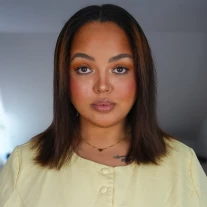
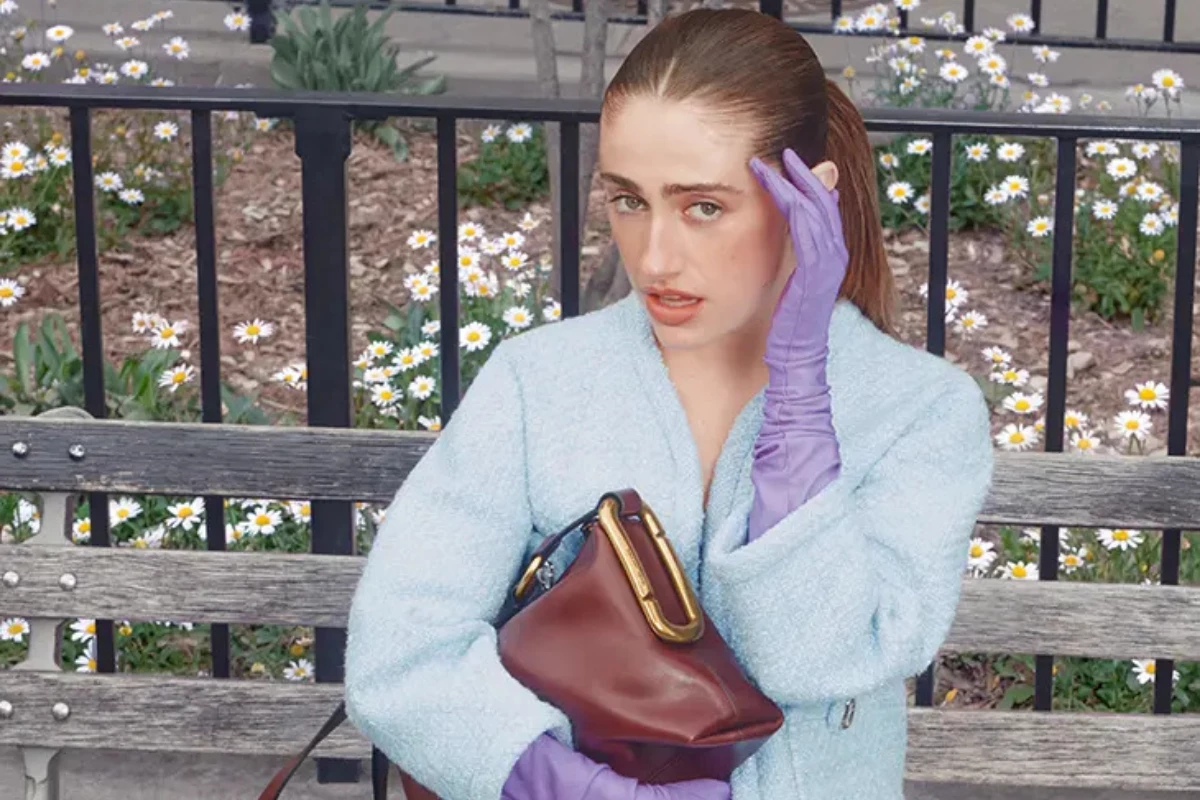
"The Scene" follows Rachel Sennott through New York as she tries to get noticed, go viral, and ultimately secure a Met Gala invite.
The tone leans into the awkward, self-aware humor that defines how people present themselves online.
This gives the campaign a clear direction, using a familiar behavior as the backbone of the story.
It also sets up a form of brand storytelling that can continue across episodes, keeping the narrative and product in circulation beyond a single release.
A Scripted Campaign Built Around Internet Culture
The film opens with a simple problem: Sennott can’t get through to fashion icon and Met Gala Lead Chairperson Anna Wintour.
After failed attempts involving gifts, messages, and persistence, the focus shifts.
If she can’t reach her directly, she’ll make herself impossible to ignore.
What then follows is a string of chaotic moments across Manhattan.
She stops strangers to recreate viral content and confuses people for internet personalities.
The "I love LA" actress and writer also runs into acquaintances who immediately turn the interaction into a paid opportunity.
At one point, a call from "Anna" turns out to be a restaurant confirming a booking instead.
"God, it’s so hard to go viral," she says, cutting through the humor with something that feels a little too real.
The story builds toward a final moment where the collection is revealed, and she finally finds out that she's going to the Met Gala.
The Scene bag is present in nearly every scene, acting as the constant within the chaos.
Consistent placement like this keeps the product visible without breaking the flow of the story.
The Episodic Format
What stands out here is the structure.
This is the start of a series, designed to continue across social platforms with more episodes that continue the storyline.
This format reflects how brands are starting to treat campaigns more like content.
Short-form, character-led storytelling is becoming more common, especially as attention moves toward mobile-first viewing.
For Marc Jacobs, it also changes how the product shows up.
Instead of pausing the story to highlight features, the Scene bag is woven into the narrative. It’s visible and part of the action.
"The Scene" shows how storytelling format can influence how products are seen and remembered.
- Build the story into a series. Brands should structure campaigns across multiple episodes to keep audiences coming back.
- Integrate the product into the narrative. Teams should place products within the action so visibility feels natural.
- Follow platform behavior. Marketers should use short-form, episodic content to align with how audiences watch and scroll.
When format and behavior align, campaigns hold attention longer and keep products in view without forcing the exposure.
Our Take: Can This Format Stick?
The format has a clear advantage: it gives Marc Jacobs more than a single campaign window.
A social media series creates repeat exposure, which is crucial when most fashion content is consumed in quick, disposable bursts.
And with Marc Jacobs' official Instagram account alone having 12.2 million followers, it's a great platform to launch a content series.
The key question is whether audiences will return for the next episode or treat it as a one-off clip.
If the series builds a following, it gives the brand a repeatable structure for future drops.
But if not, it risks blending into the constant stream of short-form content that people watch once and forget.
This move toward episodic storytelling is also showing up across other brands.
Adobe, for instance, launched a YouTube comedy series featuring Hasan Minhaj and Patty Guggenheim, using recurring characters within a creative agency narrative.
Looking to create campaigns that connect storytelling with brand impact? Explore these top creative agencies in our directory.