
The FIFA World Cup 2026 opens this week with 176,000 tickets listed on its resale portal for the opening group phase.
FIFA itself still listed about 15,000 group-stage tickets through direct sales, according to the Financial Times.
Between the resale glut and the unsold direct stock, the oversupply is pulling prices down.
The median resale price has fallen 20% over the past month, with resellers having to pay a 26% transaction fee on the platform.
The slide tests FIFA's dynamic pricing model, which lets prices rise and fall with demand.
Tickets opened at $140, with regular seats for the July 19 final in New Jersey reaching $8,680 before the top tiers.
FIFA President Gianni Infantino defended the approach to reporters on Wednesday, comparing the prices to major North American sports events.
"If you look at the final of the NBA, the Knicks against San Antonio, I don't know how many people are watching that on TV — 10 million maybe.
The World Cup will be watched by six billion people. So in terms of importance, the World Cup is much, much more important," Infantino said.
After early criticism, FIFA released 130,000 tickets to national federations at $60 for regular supporters.
This act shows the limit of dynamic pricing when a tournament still needs to look full on camera.
FIFA built the system to chase demand, and now it's giving discounts to manufacture the atmosphere that the demand was supposed to supply.
One Tournament, 104 Different Markets
World Cup demand is uneven by design.
A host-nation opener, a knockout game, and a low-stakes group fixture each pull different levels of urgency, local interest, and fan-base strength.
The expanded format widens this spread, with 48 teams playing 104 matches across 16 host cities in the U.S., Mexico, and Canada.
High-demand games carry premium prices because the scarcity is real.
But lower-demand matches need a gentler rhythm, since fans weigh flights, hotels, exchange rates, and visa or border uncertainty before they commit.
University of Virginia Darden School of Business Professor Pnina Feldman shared that high prices are the visible complaint, but the real problem is demand uncertainty.
FIFA is selling one global event, while fans decide one fixture at a time on city, opponent, price, and travel friction.
This fact makes total ticket counts a poor gauge, since each match tests the pricing on its own.
It also means FIFA needs a different pricing strategy for each tier of game, not one rule stretched across 104 fixtures.
The brands that have mastered live-event pricing treat every date as its own product, with its own audience, its own urgency, and its own ceiling.
A Full Stadium Is the Real Product
FIFA’s official resale platform gives the organization more control over the secondary market.
This control reduces fraud, keeps transactions inside official channels, and pushes out some independent scalping.
Feldman told the Darden Report that curbing scalping leaves the high prices themselves untouched, and this is the problem FIFA now has to solve.
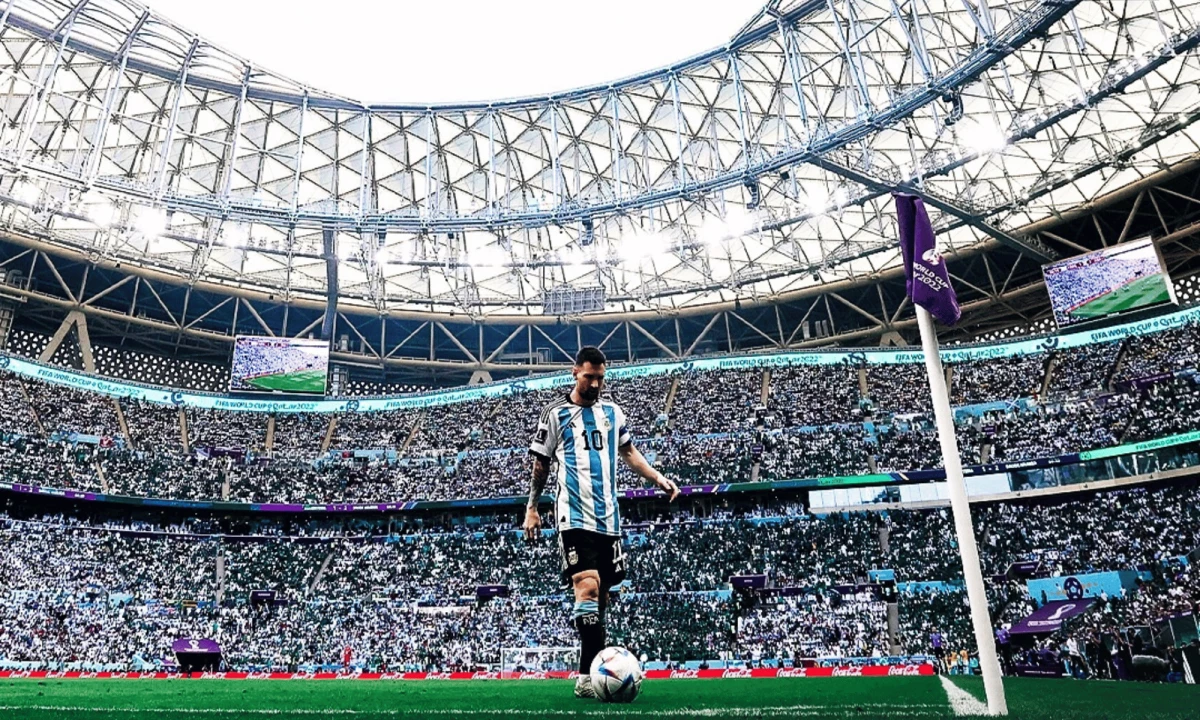
Premium matches justify high prices, but empty seats also damage the live product.
They dull the atmosphere for teams, broadcasters, sponsors, host cities, and fans watching at home.
This ties attendance to brand power, since a packed stadium is what gives the FIFA name its scale, visibility, and energy in the first place.
Local organizers are already moving to fill the seats.
Mayor Zohran Mamdani secured 1,000 tickets at $50 for New Yorkers, and Gov. Kathy Hochul is giving away 500 free tickets.
The Sports Business Journal reported that the New York/New Jersey host committee then made 770 free tickets available for New Jerseyans.
These late releases protect the atmosphere while premium pricing holds elsewhere.
Brands are also treating World Cup access as experiential marketing.
Dave & Buster's, for instance, is using match tickets as prizes inside its Human Crane activation, linking the tournament to in-store games and repeat visits.
A full stadium is the asset that the whole World Cup economy leans on.
FIFA, broadcasters, sponsors, and brands all need the stands to look packed, which is why cheap late tickets protect far more value than they give up.
FIFA’s ticketing debate offers three useful takeaways:
- Price match by match. Aggregate tournament demand can hide weaker fixtures.
- Protect the atmosphere. Empty seats affect broadcast value, sponsor optics, and fan perception.
- Use late inventory with purpose. Targeted community access can fill seats while supporting the tournament’s public-facing promise.
The ticket strategy now has to prove that premium pricing can still deliver full stadiums, local energy, and a credible fan-access story.
Our Take: Will Sponsors Pay Premium for a Half-Full Stadium?
FIFA's real customer is not the fan in the stands, but the sponsors paying for the image that these stands create.
We think the 176,000 resale tickets and the visible discounting put this relationship in jeopardy after this summer.
Sponsors commit nine figures expecting a guaranteed spectacle, and a half-full stadium on a global broadcast is the one thing that money was supposed to rule out.
The discounts and giveaways protect this tournament's broadcast.
The longer risk is the next negotiation, since partners who watched FIFA scramble to fill seats will price this memory into their next offer.
FIFA can defend premium pricing on the matches that sell themselves.
The bigger job is making every stadium look full enough that no sponsor ever has to ask the question in this headline.
Looking to build sports campaigns that balance revenue, fan access, and live-event demand?
Explore these top sports marketing agencies in our directory.