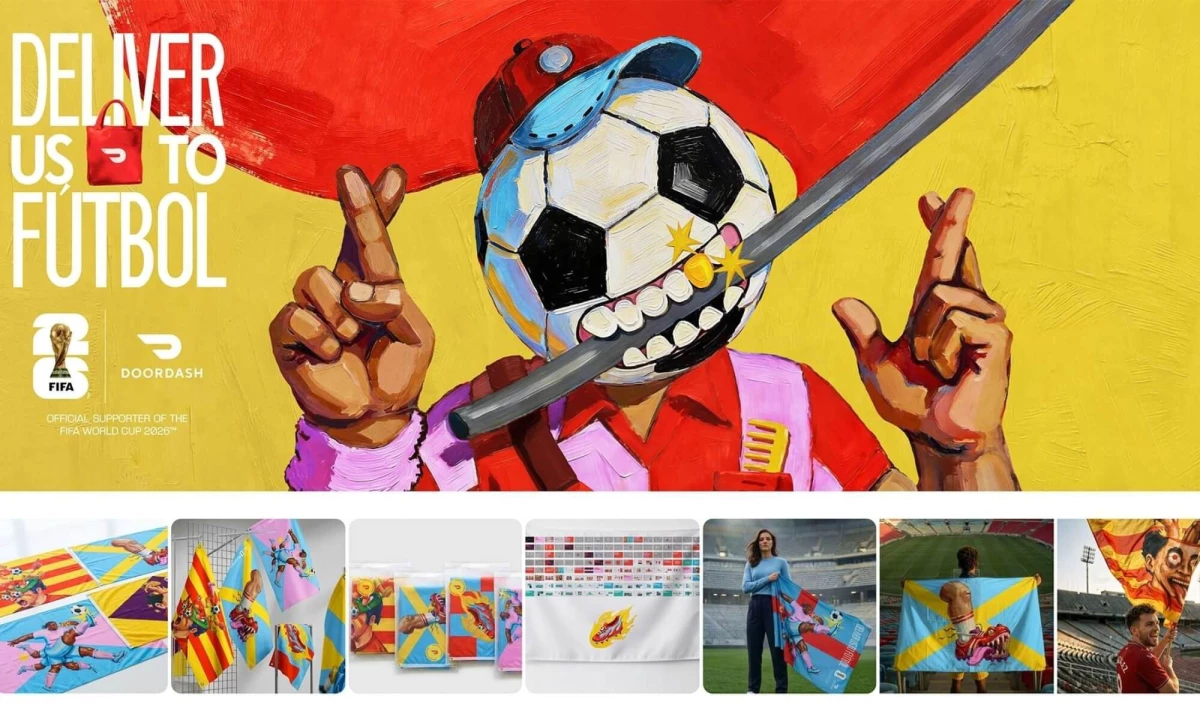

The FIFA World Cup has a way of consuming everyday life, and DoorDash is meeting this frenzy with an ad about the irrational behavior of football fans.
"Deliver Us to Fútbol" is the first-ever global campaign from DoorDash and its global brands, Deliveroo and Wolt.
GUT Los Angeles and GUT Design produced the spot, timed to the World Cup's summer kickoff.
The film follows a Dasher delivering match-day essentials across different settings, surrounded by the emotional chaos of the tournament.
Packed with easter eggs, the film features football legend Ricardo Kaká, FIFA Women's World Cup champion Alex Morgan, and creator Khaby Lame.
The campaign runs internationally, with DoorDash in the U.S. and Canada, Deliveroo in the U.K., France, and Italy, and Wolt across Germany, Norway, Finland, and Denmark.
DoorDash anchors itself as an Official Tournament Supporter of the World Cup, covering on-demand delivery and restaurant reservations.
"The FIFA World Cup has a way of taking over daily life," said Gina Igwe, VP of brand, creative, and consumer marketing at DoorDash.
"Sleep schedules shift, reservations revolve around kickoff, and fans hold tight to the matchday food rituals that make every match feel personal."
The platform connects delivery, reservations, rewards, and live experiences around the idea that football fandom rarely stays rational.
This single insight gives the whole campaign its positioning, casting DoorDash as the calm hand behind every insane matchday.
A World of Fan Absurdity
GUT built the campaign around a visual identity called the "Insanity Area."
It uses the red DoorDash bag as the entry point into the emotional chaos fans feel during the World Cup.
The system depicts supporters behaving in exaggerated, often surreal ways, with every illustration connected to products available through DoorDash.
"Every detail in this illustration system reflects World Cup insanity completely taking over our lives," Murilo Melo, global head of design at GUT Design told DesignRush.
"We wanted to create a visual universe that is loud, surreal, and inspired by the street culture that takes over during the tournament. The iconic red bag gave us the perfect gateway into the madness."
Painted textures, loose line work, and street-inspired art create a sense of collective frenzy.
The red delivery bag becomes the visual trigger for this obsession, running across TV, digital, social, outdoor, and partner executions.
The result is a visual identity that DoorDash owns outright, recognizable in any market and built to stretch across formats.
A brand asset like this does what a celebrity can't, since it belongs to DoorDash and literally travels wherever it goes.
Fan Obsession Is Big Business
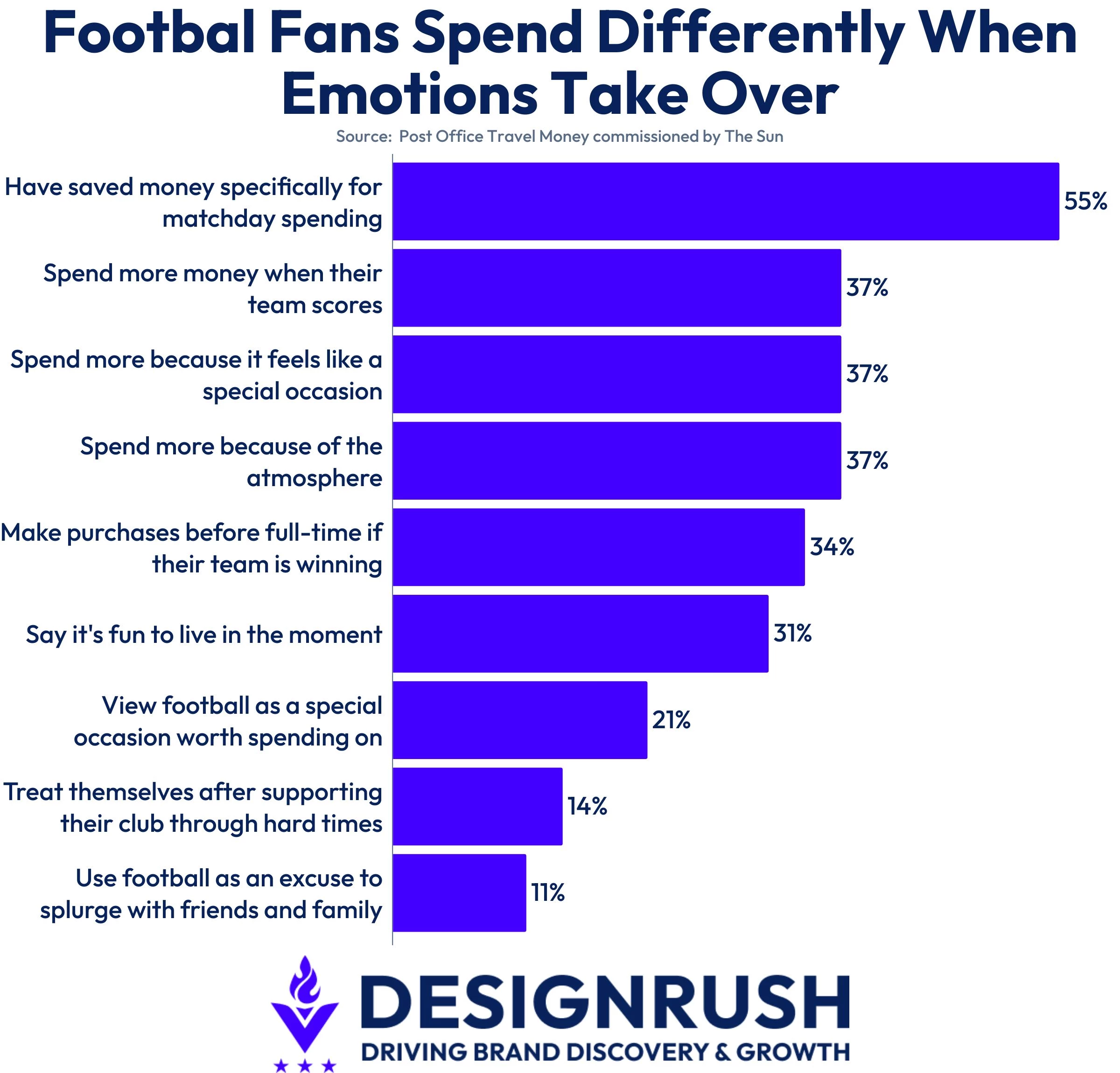
DoorDash's World Cup strategy rests on how fans change their habits, spending, and routines during the tournament.
A recent survey of football fans found that nearly 40% spend more money when their team scores.
Supporters open their wallets for food, drinks, merchandise, and even future match tickets while the adrenaline is still high.
This spending explains the seventh Summer of DashPass, which DoorDash timed to the campaign in the U.S.
It bundles access to more than 100,000 local businesses, VIP watch-party experiences, and a $5 million credit promotion for predicting the final winner.
Emotional spending spikes are predictable, and the brands that show up at the spike capture it.
DoorDash is cleverly buying its way into the impulse purchases that a tournament reliably sets off.
These investments showcase the commercial opportunity surrounding global sports.
- Emotional events change purchasing behavior. Brands should align products with fan rituals to capture spending that happens in real time.
- Convenience gains value when attention is divided. Companies should remove friction to stay relevant during major sporting events.
- Participation drives loyalty. Marketers should connect rewards, experiences, and exclusive access to fan identity to deepen engagement.
Football's biggest tournament creates demand for brands that understand the habits surrounding the game.
Our Take: Can Absurdity Become a Long-Term Brand Asset?
The "Insanity Area" is the most valuable thing DoorDash made here.
We think it can outlast the tournament, because it gives the brand a way to picture fandom and overreaction that no rival can copy.
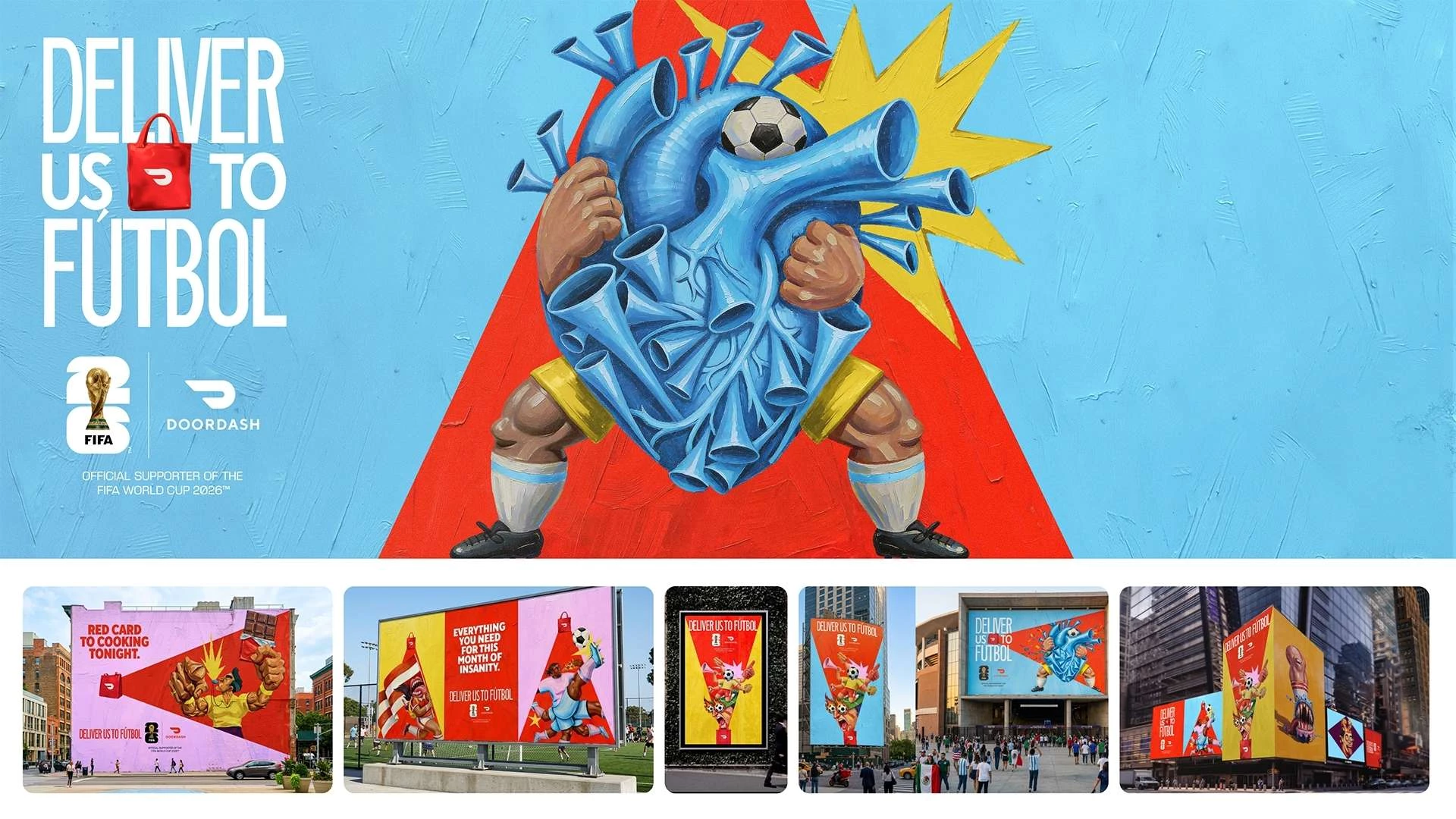
The illustrations work because fans recognize their own irrational behavior in them.
We can see the visuals stretching to any event where people lose their cool, from playoff finals to major entertainment releases.
A system this recognizable can carry DoorDash through every tournament and finale to come, long after this World Cup ends.
This is what makes the "Insanity Area" a brand asset worth far more than a single sponsorship.
Similarly, Uber Eats partnered with Gordon Ramsay around match-day food consumption in "Who Could Cook at a Time Like This?"
Brands looking to create scalable visual identities across global markets can benefit from partnering with experienced branding agencies.
Explore these top visual communication companies to develop campaigns that remain recognizable across channels, regions, and cultural events.