
Key Findings
- Emotional intelligence, gratitude, and joy are not soft skills — they’re strategic tools for building resilient, high-performing teams.
- In times of uncertainty, leaders must communicate frequently, coach instead of command, and embed recognition into daily rituals.
- A gratitude-first culture helps teams feel seen, safe, and supported — leading to higher engagement, retention, and long-term performance.
Two-thirds of U.S. employees are not fully engaged, a gap that costs companies $1.9 trillion a year in lost productivity.
That’s according to a 2024 Gallup report, which links disengagement to lower performance, retention, and wellbeing — all of which leave teams vulnerable in times of disruption.
And in times of crisis, that disengagement becomes a breaking point.
Most leaders still default to process and performance metrics, but what actually shields teams under pressure is clarity, recognition, and culture.
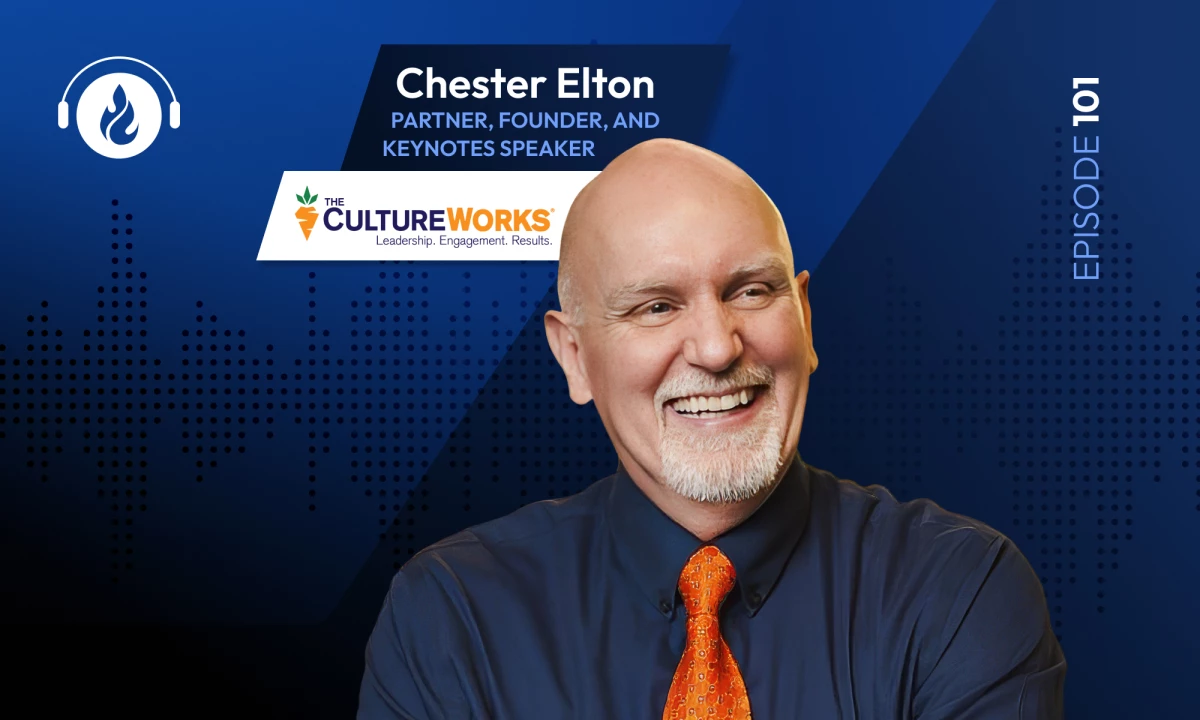
Chester Elton, New York Times bestselling author and workplace strategist, is the co-founder of The Culture Works. He has helped leaders at American Express, Johnson & Johnson, and the US Army reimagine team culture through gratitude, clarity, and emotional intelligence.
In episode 101 of the DesignRush Podcast, Elton unpacks how joy, gratitude, and cultural rituals can inoculate teams against crises.
Listen to the full episode now on Spotify or YouTube to discover how leaders can turn emotional intelligence into competitive advantage.
Chapter Summary
- 01:33 - People Quit Leaders
- 15:06 - Anxiety at Work
- 25:46 - Coaching vs. Bossing
- 32:06 - Choosing Agency Partners
- 53:07 - Leading With Joy, Gratitude & Vision
4 Ways to Lead That Build Resilient Teams
When economic downturns, AI disruption, or team crises strike, these leadership habits make the difference between burnout and resilience.
1. Over-Communicate in Uncertainty
During times of disruption, silence doesn’t create calm. When people don’t hear from leadership, they often assume the worst.
"They think, 'I'm working really hard, when I know, I'll tell you.' It's okay to tell people you don't know," says Elton. "That gap gets filled with rumor and fear."
Proactively answer:
- How is the company doing?
- Where is the company going?
- How am I doing?
- Where am I going?
Even if the answers are uncertain, sharing what you do know and acknowledging what you don’t helps build trust and stability.
2. Practice Daily Gratitude Rituals
Gratitude is a powerful tool to boost mental well-being and team morale. Especially during stressful times, it shifts focus from anxiety to appreciation.
Elton starts each day by writing down three things he’s grateful for and ends it by reflecting on wins.
"You can't be anxious and grateful at the same time," he notes.
Organizations can scale this mindset by incorporating quick, 10-minute daily check-ins to celebrate wins and express appreciation.
It creates a positive rhythm that reinforces trust, connection, and progress, even when challenges persist.
3. Build Joy Into the Business Model
Joy at work isn’t a soft concept. It directly impacts retention, engagement, and performance.
When people find meaning and positivity in their work, they’re more likely to stay, grow, and contribute at a higher level.
"An 'all-in' culture is one where people believe what they do matters and they make a difference — and that difference is celebrated."
He points to WD-40 as an example, where mistakes are seen as “learning moments” and happiness is woven into the company’s culture and brand.
Embedding joy into the business model creates a resilient, motivated workforce; one that thrives through change and uncertainty.
4. Coach, Don’t Command
The most effective leaders develop others. Especially during crisis, people need guidance, support, and someone who sees their potential.
"You're in the education business," Elton says. "Every leader today is responsible for growing other leaders."
This teaching mindset is reflected in how leaders support mental health, foster psychological safety, and recognize signs of anxiety or disengagement.
Investing in people’s growth and well-being strengthens team resilience, adaptability, and long-term commitment.

About Chester Elton
Chester Elton Partner and Founder, The Culture Works Chester Elton is a global leadership expert and bestselling author who helps companies build resilient, gratitude-first cultures. His clients include the US Army, American Express, and Johnson & Johnson. Chester is known for transforming company morale and performance through emotional intelligence, storytelling, and practical rituals that stick.
Why Gratitude Is a Growth Strategy, Not a Nice-to-Have
For founders, CMOs, and agency leaders navigating constant disruption, culture is a survival tool.
As Chester makes clear: when people feel seen, safe, and celebrated, they stick around, show up, and go the extra mile.


-preview-webp.webp)