
Corporate Event Key Findings:
- A poorly executed invitation signals low value and instantly reduces RSVP rates.
- Lack of a unified goal leads to scattered planning and underwhelming experiences.
- Changing guest behaviors demand a shift in timing, tone, and event structure.
Professionals today are more selective than ever about how they spend their time away from home or the office, according to Amex Global’s 2024 Global Meetings and Events Forecast.
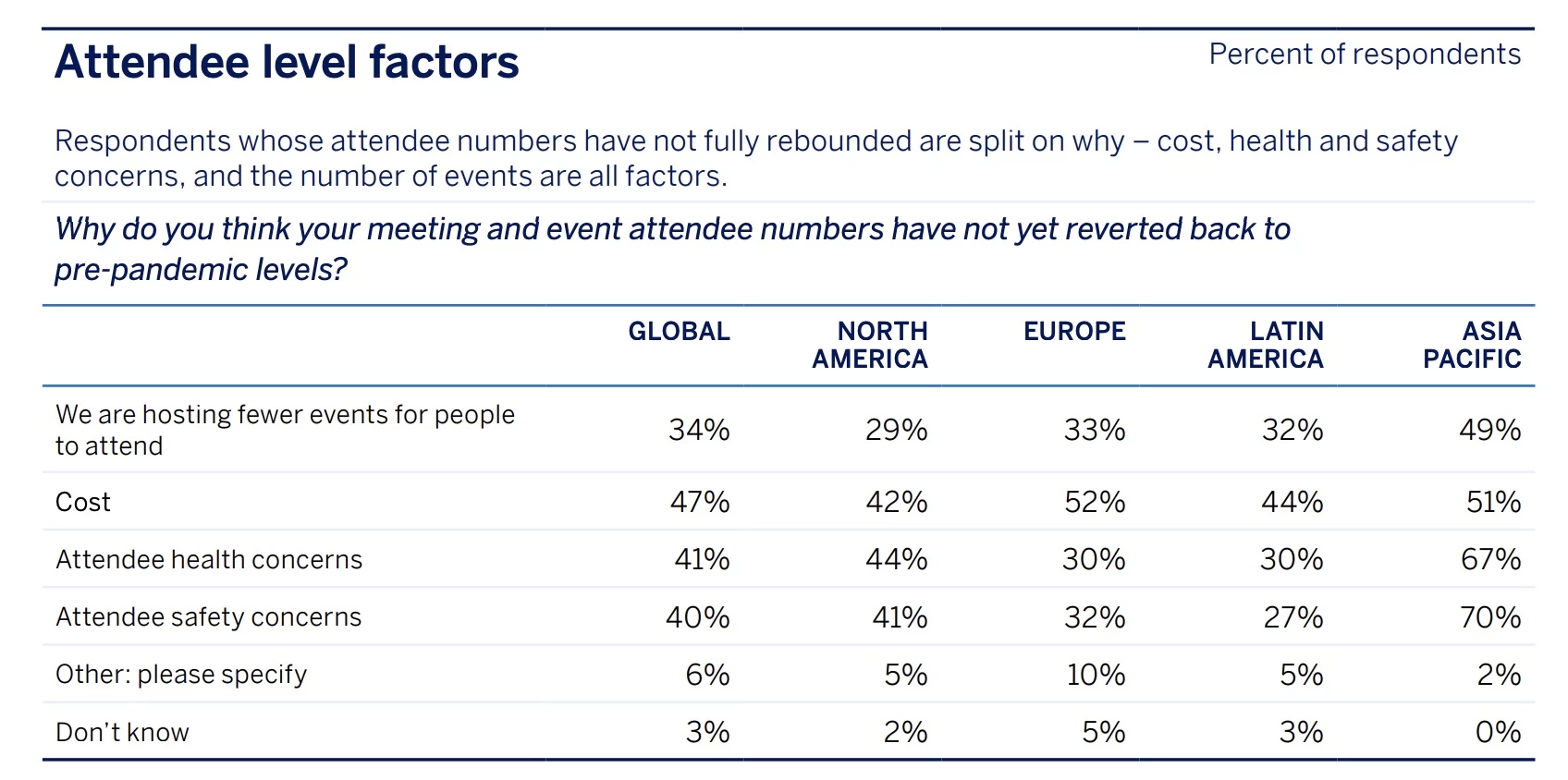
And that makes earning an RSVP far more complex than it used to be.
Despite this shift, many brands still treat event planning as a checklist exercise, focusing on floral budgets and menu items while overlooking the guest experience and event strategy itself.
Cassie Brown, CSEP, CEO of TCG Events, says the most critical mistakes happen before guests even walk through the door.
I spoke with Cassie about the top issues she sees when brands aim for high ROI or stakeholder engagement, how her team keeps long-time clients engaged year after year, and the one question executives need to ask before booking a venue.

Who is Cassie Brown?
Cassie Brown is the President & CEO of TCG Events, Inc., a nationally recognized agency known for producing creatively ambitious and flawlessly executed events. With over 20 years in the industry, Cassie has hosted political figures, Fortune 500 execs, and global thought leaders. She’s known for her attention to detail, contingency planning, and the ability to turn strategy into unforgettable experiences. Under her leadership, TCG has earned accolades across event, décor, and program categories.
- Make your invitation worth saying yes to
- Answer every question before guests ask
- Align on a single goal before planning starts
- Adapt to how guests decide what’s worth attending
- Cut the flash, keep the impact
- Refresh repeat events with personalization
- Get these 5 essentials right every time
Design Invitations That Signal Value
Many corporate events struggle with low attendance not because of the date, the content, or even the guest list, but because the invitation failed to compel people to say yes.
Cassie shares that this is the most common and most costly mistake brands make.
“The most significant area with the most mistakes we see starts before the event even happens. It starts with the invitation,” she explains.
“The invitation sets the tone for the event. An invitation that is poorly designed and badly executed will discourage attendance.”
Design, tone, format, and timing all influence how potential guests perceive the event.
That’s especially true for digital invitations, which are now standard but not exempt from etiquette or execution standards.
“Sending a free Evite or a PDF attachment is not a good approach. Digital invitations require the same attention to brand representation and detail as printed invitations,” Cassie explains.
Even the timing of the invite sends a message.
A rushed or last-minute email can feel like an afterthought — something people are quick to dismiss.
“Etiquette is the same for digital and printed invitations. A minimum of four weeks’ notice is standard; less than that can be considered rude,” Cassie adds.
In short, when the invitation doesn’t reflect the value of the event, people assume the event itself won’t either.
And if you lose them at the invite, you’ve already lost your ROI.
Eliminate Guest Uncertainty Before Arrival to Boost Attendance and Satisfaction
One major reason people hesitate to RSVP “yes” is simple: they don’t have enough information to make that decision.
Even if the event itself sounds appealing, unclear logistics, unanswered questions, or vague expectations create friction.
Cassie says that’s where a thoughtful "Know Before You Go" (KBYG) strategy makes the difference between full attendance and empty seats.
“A good host ensures guests are comfortable. That starts before they arrive,” she explains.
“A well-thought-out 'Know Before You Go' strategy increases attendance by reducing anxiety and stress.”
Many organizations assume their invite covers the basics, but what seems obvious to planners often isn’t obvious to guests.
That’s especially true for venues that are hard to find, parking situations that aren’t obvious, or dress codes that could be misinterpreted.
A strong KBYG should clarify essentials such as:
- Event date, start and end time
- Location details (including building/room specifics)
- Dress code with plain language (“business,” “cocktail,” “jacket with no tie,” etc.)
- Where to park and how much it costs
- Check-in process and timing
- Food and beverage expectations: cash bar, full bar, seated dinner, etc.
- Dietary accommodation details
These details might seem small, but they directly impact whether guests feel prepared, respected, and excited.
When you remove uncertainty, you also remove excuses for not showing up.
Align on a Single Event Goal Before You Book a Venue or Build an Agenda
Many corporate events feel unfocused because no one can agree on what success actually looks like in the first place.
Cassie says this is one of the most frequent issues she encounters when brands aim for high ROI, stakeholder engagement, or internal alignment.
“Most people aren't clear about why they are having an event, or there are too many priorities,” she says.
“Marketing wants one thing, sales wants another, and the CEO wants something completely different.”
When each department brings different expectations to the table, and no one agrees on a unified outcome, event planning becomes fragmented.
And that fragmentation shows up in the guest experience.
Instead of designing around a central goal, teams end up trying to be all things to all stakeholders.
The result? An event that feels unfocused and underwhelming.
“It may not seem very interesting, but it's a return to the SMART goal philosophy,” Cassie explains. “Every planning decision made is with the end goal in mind.”
She encourages brands to ask one question before any major decision is made: How will we know this event was successful two days after it ends?
That timeframe matters. Two days is soon enough that the experience is still fresh in guests’ minds, yet far enough removed to reflect on initial outcomes like follow-ups, buzz, or internal feedback.
Whether the answer is the number of leads generated, the presence of key clients, or a specific product milestone, that metric should drive everything.
Because without a clear definition of success, even the best execution won’t deliver results that matter.
Adapt to New Guest Behaviors or Watch Attendance and Engagement Decline
The post-pandemic shift in work and social habits hasn’t just changed where people work; it’s changed how they evaluate whether an event is worth attending.
Cassie says this mindset shift continues to reshape corporate events in ways many brands haven’t fully adapted to.
“The effect of the pandemic on events is something I couldn't have predicted. Having a period where people were scared to be together has fundamentally changed events.”
There’s now a deeper appreciation for being in the same room, but also far less obligation to show up just because something’s on the calendar.
If the experience doesn’t offer clear personal or professional value, invitees will pass.
“People are much more discerning with their time. Guests no longer feel obligated to attend events that don't add value to their lives.”
And for many, value has nothing to do with the open bar or passed hors d’oeuvres.
“That value could be seeing familiar people, having fun, or avoiding FOMO. There has to be a compelling reason to attend, and an open bar no longer counts.”
Another key factor is the rise of remote work, which is why events designed around traditional office schedules are seeing a drop in attendance.
“If someone worked in sweats all day, there is no interest in getting dressed at 4 PM to attend something from 5:30 to 7:30 PM,” Cassie says.
To remain relevant, events must account for this cultural shift.
That means rethinking timing, format, messaging, and value proposition because what used to work no longer guarantees results.
Deliver Value Without the Excess
Many organizations are reducing event budgets, shortening planning timelines, or scrapping large activations altogether.
But that doesn’t mean engagement has to suffer.
Cassie says the best events today aren’t the flashiest; they’re the most intentional.
“The most significant trend we are seeing now is concern over the economy. Organizations are reducing budgets or planning shorter lead times.”
That shift changes how guests perceive the event’s purpose and tone.
For example, hosting a lavish event right after layoffs can damage a brand’s credibility, even if the budget was approved long before the cuts.
“Hosting an event shortly after announcing layoffs has bad optics,” Cassie explains.
Likewise, extravagance must often give way to practicality.
Instead of 10-piece bands, think DJs or jazz trios. Instead of towering orchid arrangements, more modest floral designs.
“In financially uncertain times, the trend is to see less opulence while still getting people together. Ice carvings disappear… flower arrangements feature fewer orchids,” Cassie says.
What matters most is how well the event is aligned with the moment, the audience, and the brand’s goals.
Value can still be delivered at scale, but the waste and excess have to go.
Keep Repeat Events Fresh by Designing for Familiar Faces
Many corporate events are annual, with the same clients or stakeholders attending year after year.
While that consistency is a win for relationship-building, it also raises the stakes: how do you keep the experience engaging without changing the entire format?
According to Cassie, the answer isn’t about being louder or flashier. It’s about being more thoughtful and more customized.
“We often entertain the same people in the same venue, so we have to come up with new ways to wow them.”
That could mean reimagining the physical space or layering in immersive moments that surprise and delight.
But more than novelty, Cassie emphasizes relevance. What feels fresh and exciting to one group may feel overdone or underwhelming to another.
“What one client thinks is fantastic, another thinks is blasé. We customize every event to each situation.”
The key is knowing your audience and designing with their preferences, habits, and past experiences in mind.
Familiar guests require fresh thinking, not just new decor.
Focus on These 5 Elements to Make Every Event Worth the Investment
No matter the size, format, or budget, every impactful corporate event shares a common foundation.
Cassie shares five non-negotiables brands must get right if they want to drive ROI and create a memorable experience.
- Start With a Clear Goal
Every decision, from venue to agenda, should serve a single, well-defined objective. Without this clarity, events often become scattered or ineffective. - Treat Every Touchpoint as Brand Communication
From the save-the-date to the valet experience, every element shapes how guests perceive the organization. Nothing should feel like an afterthought. - Design the Experience for the Guest
Events that focus too much on internal messaging risk alienating attendees. The experience should feel valuable and engaging to the guest. - Nail the Logistics
Flawless operations are non-negotiable. Long lines, missing name tags, or confusing check-ins quickly overshadow even the best programming. - Ensure There’s a Measurable ROI
If the event isn’t tied to a specific outcome, like lead generation, deal acceleration, or stakeholder relationship-building, it’s just a costly social function.
Engineer Strategic Events for Impact
It’s easy to think of corporate events as one-off moments, but the most successful ones are anything but improvised.
Cassie has spent more than two decades designing experiences that drive real business results, and her advice is simple: treat events like any other strategic investment.
That means defining success before locking in a venue, prioritizing guest comfort over company messaging, and paying close attention to every detail that shapes perception and performance.
Because the most powerful events aren’t just well-executed.
They’re well-reasoned.

-preview-webp.webp)