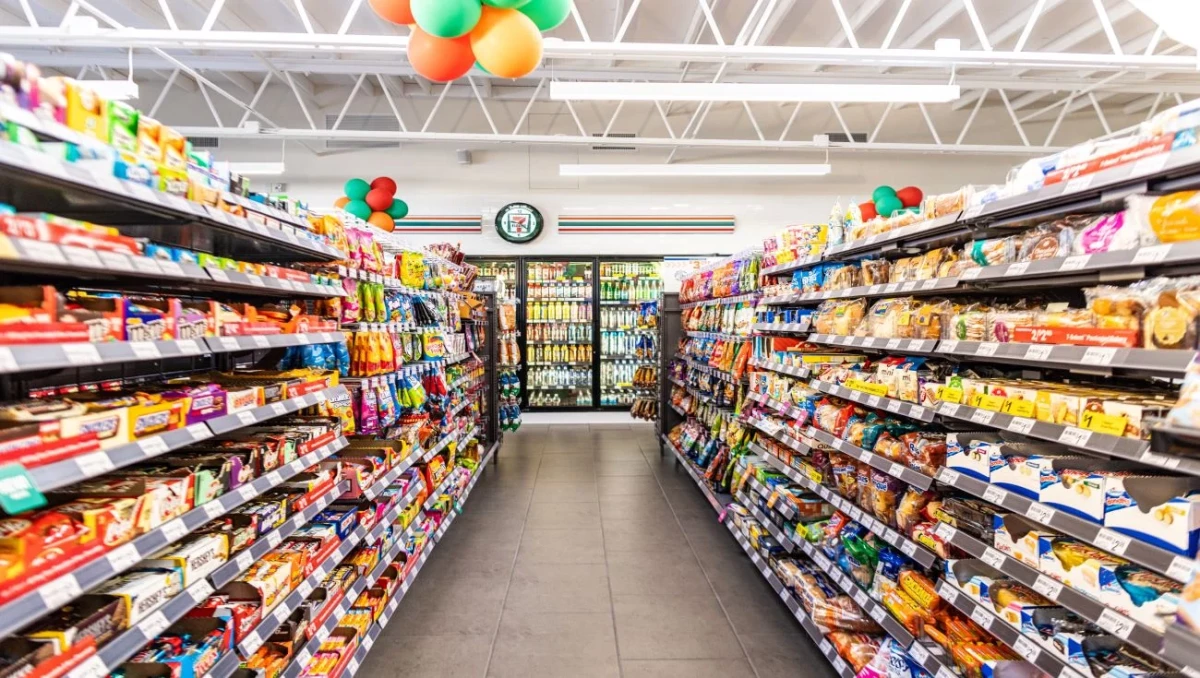

7-Eleven's Store Closures: Key Findings
- The chain will close 645 North American stores in fiscal year 2026, the fifth consecutive year it shut down more locations than it opened.
- The closures are part of a pivot to larger, food-forward stores, with 205 new locations opening in the same period.
- Parent company Seven & i Holdings delayed a planned IPO to 2027, pushing 7-Eleven to cut costs and improve margins.
7-Eleven will close 645 North American stores during its 2026 fiscal year, according to a filing from parent company Seven & i Holdings.
The fiscal year runs from March 1, 2026, to February 28, 2027.
Some locations will close outright, while others will be converted to wholesale fuel sites, which Seven & i does not count in its retail store total.
The company plans to open 205 new locations in the same period, all under a larger-format, food-forward model.
The net effect is a North American store count projected to fall to around 12,272 by the end of the fiscal year, down from more than 13,000 in 2024.
An IPO of the North American business, originally planned for 2026, has also been pushed to 2027 at the earliest.
The closures are designed to cut costs and improve margins before the listing.
For brands and agencies, this restructuring raises questions about where 7-Eleven fits in the media mix going forward.
A Foodservice Gap Years in the Making
The closures reflect a structural problem that 7-Eleven has been slow to address.
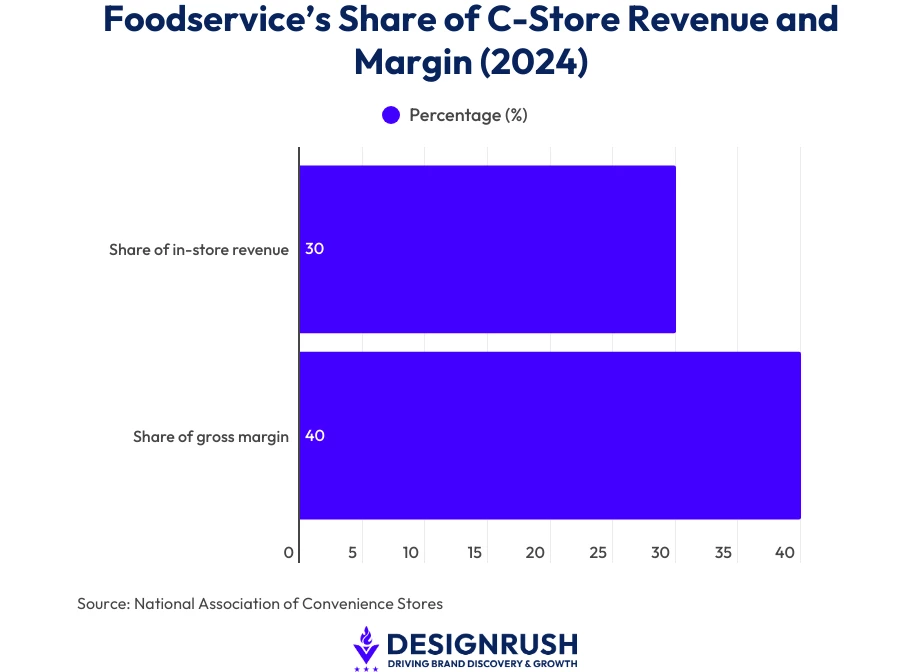
Foodservice sales across the convenience store sector rose from 12% of in-store revenue in 2004 to nearly 30% by 2024, according to the National Association of Convenience Stores.
It now accounts for 40% of gross margin in the category.
Competitors also moved earlier, with Wawa entering food before fuel, while Sheetz had roots in dairy.
According to C-Store Dive, 7-Eleven did not begin rolling out its "New Standard" food-forward store format in any meaningful way until 2024, when it launched the concept in Allen, Texas.
The revised format is largely based on food quality and the fresh grab-and-go model.
This approach made its stores in countries like Japan and Thailand a daily staple for millions of consumers.
Seven & i reports that food-forward stores generate 18% higher average daily sales per store than its system average.
Leadership Gaps Compound the Challenge
The operational challenge is arriving at a difficult moment in terms of leadership.
Long-standing CEO Joseph DePinto retired from the company at the end of 2025, after serving for 20 years.
The company is now run by co-CEOs Stan Reynolds and Doug Rosencrans on an interim basis while a permanent replacement is found.
Two senior marketing leaders also departed earlier this month.
Mario Mijares, VP of marketing, loyalty, and monetization, exited the company.
Marissa Eddings, head of brand, advertising, media, in-store marketing, and 7-Eleven's in-house creative agency, also left this month.
The departures have left a huge gap in brand and marketing leadership at exactly the moment the company is trying to reposition itself to consumers and investors.
Here are some tips for brands and agencies tracking the convenience store sector:
- Store closures reduce media inventory. Brands should reassess retail partnerships when footprint and leadership shift.
- Format changes alter customer behavior. Marketers can adapt placements and messaging to longer dwell time and food-led visits.
- Competitive movement redistributes attention. Companies should track regional players gaining ground as market presence changes.
Five consecutive years of closing more stores than it opens is a signal that 7-Eleven is rethinking where and how it competes.
Our Take: Can 7-Eleven Pull This Off Before the IPO?
We think the trajectory is credible, but the timeline is tight, and the marketing bench is thin.
Closing underperforming stores and opening food-forward replacements is probably the right direction.
The 18% sales uplift from new-format locations also puts real numbers behind the strategy, but the problem here is scale.
Converting enough of a 12,000-store network to move the overall margin picture before a 2027 IPO will require execution at a pace the company hasn't yet demonstrated.
Similarly, Papa John's is closing about 300 underperforming locations in North America as part of a system reset aimed at improving overall profitability
Brands navigating retail media and in-store strategy need agencies that understand how physical footprint changes affect campaign reach and consumer touchpoints.
Explore these top retail advertising agencies in our directory.