
AI's Effect on Ad Agency Stocks: Key Findings
- Agency stocks have stabilized after earlier declines, as investors reassess what parts of the business remain defensible amid automation.
- Strategic functions continue to anchor agency value, with media planning, budget allocation, and cross-platform coordination still led by human judgment.
- Valuations reflect uncertainty, with selective optimism forming around firms that articulate clear strategic roles in the AI era.
The stock performance of major advertising holding companies has drawn renewed attention in 2025.
This comes as artificial intelligence changes how marketing work is produced and priced.
Shares of WPP and its peers fell earlier in the year, reflecting concern that generative tools would erode traditional agency services and compress margins.
Analysts are increasingly framing AI not as a threat to agencies’ existence, but as a force that strips away lower-value execution and clarifies where real leverage sits.
Katie Akhlopkava, CMO at full-service software development firm Kanda Software, told DesignRush how automation can accelerate production, but it can't replace judgment.
“AI automates the mechanical layers of analysis, but it still relies on humans to frame the right questions.
In regulated fields like healthcare, for instance, the best results come when AI spots patterns and people apply judgment around context, risk, and long-term impact.”
Decisions around where to spend, how to balance channels, and how to interpret performance still require human oversight.
Why Ad Strategy Still Commands a Premium
The media environment is fragmented across social, search, streaming, retail media, gaming, and newer AI-driven platforms.
Few brands manage this complexity internally without friction. This is where advertising agencies come in.
Coordinating budgets, managing risk, and maintaining consistency across channels remain difficult to automate at scale.
A Bloomberg report points to relative valuation stability at firms such as Publicis and Omnicom as investors reward clearer strategic positioning.
Meanwhile, WPP illustrates both the challenge and the response.
After a period of stock pressure and client churn, the company has emphasized strategy-led services, data analytics, and AI-supported planning.
WPP’s moves indicate how holding companies are trying to steady client relationships by making strategy and planning harder to unbundle, even as execution becomes easier to replace.
WPP unveils WPP Open Pro: empowering brands to plan, create and publish campaigns directly through its AI marketing platform
— WPP (@WPP) October 23, 2025
Find out more 👉 https://t.co/uNRSViL1Yd
Book a demo 👉 https://t.co/g5vFNDJNsY#WPPOpenPro#WPPOpen#AImarketing#MarketingTransformationpic.twitter.com/K9fR7ZyzeA
Industry analytics firm COMvergence shows how much capital still flows through these networks.
- WPP Media managed approximately $64.6 billion in global billings for 2024.
- Publicis Media followed with about $54.7 billion in billings.
- Omnicom Media Group reported roughly $45.6 billion in global billings.
At this scale, the strategic value lies more in deciding where the money goes, how risk is managed, and which channels actually earn continued investment.
How Investors Are Reframing Agency Value
From an investment perspective, the focus has narrowed.
The question is no longer how fast agencies can produce assets, but how well they can manage complexity.
With global ad spend projected to go over $1 trillion by 2026, investors recognize that such volumes require disciplined, human-led oversight.
Production efficiencies may lower costs, but they don't replace the need for coordination, interpretation, and accountability. These functions sit at the center of agency economics.
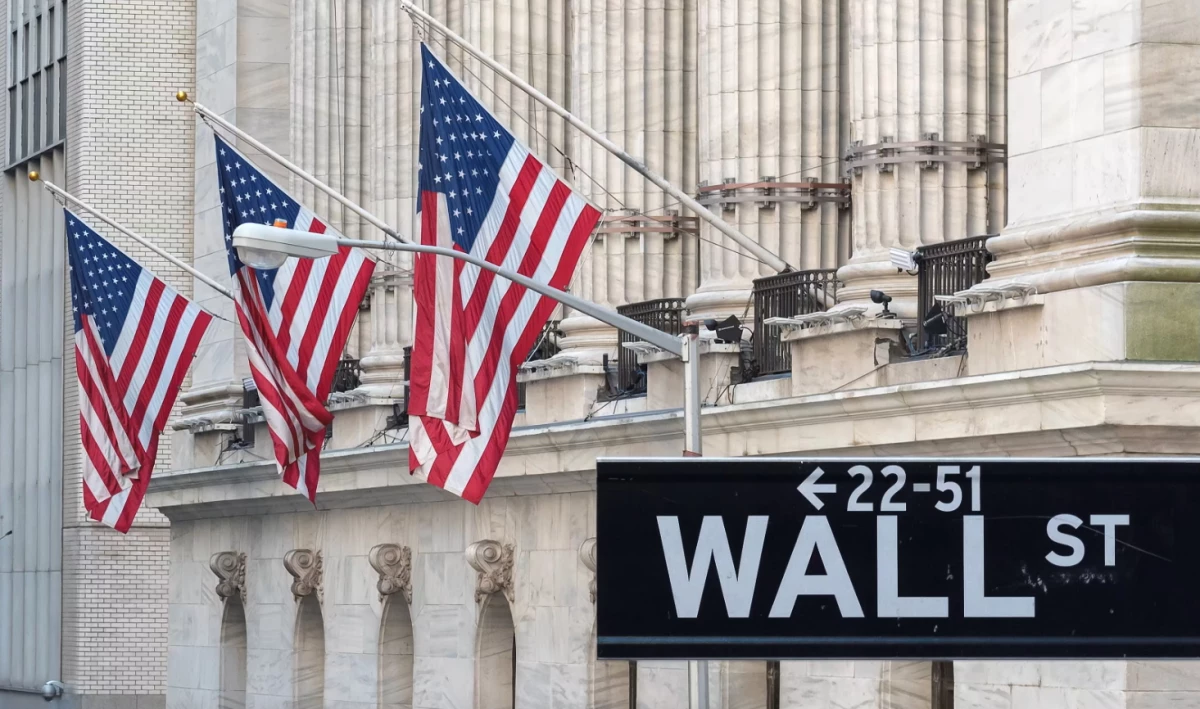
As Wall Street sharpens its view, the implications for CMOs are practical:
- Prioritize strategic intelligence. Look beyond execution speed and assess how agencies guide spending and decision-making.
- Expect data integration. Valuable partners should connect first-party data with broader market signals to inform planning.
- Value coordination over volume. Consistency across channels matters more than the number of assets produced.
The most resilient agency relationships are built around oversight and clarity, not actual headcount.
Our Take: Are Agencies Weaker, or Simply More Exposed?
I think agencies are being forced to show where they actually add value.
AI has made production cheaper and faster, which leaves less room for models built on volume alone.
Investors are responding to where agencies still hold the advantage.
Firms that can guide spending decisions and manage complexity across channels are holding attention, while others face tougher questions about their role.
The real divide is between agencies that guide spending and those that simply execute it.
See how AI is reshaping search and visibility, with Google announcing a new core update and gives new opportunities for smaller publishers on Disciver.
Looking to elevate your media strategy with AI? See which of our Top AI Agencies can accelerate your transformation.