
The US Open wanted creators to reach new audiences for tennis.
Instead, some of the content coming out of Flushing Meadows has players questioning where promotion ends and disruption begins.
The USTA credentialed roughly 100 content creators for the 2026 US Open, almost twice the 54 creators it credentialed in 2025.
Its expanded access was designed to reach audiences that traditional sports media may miss.
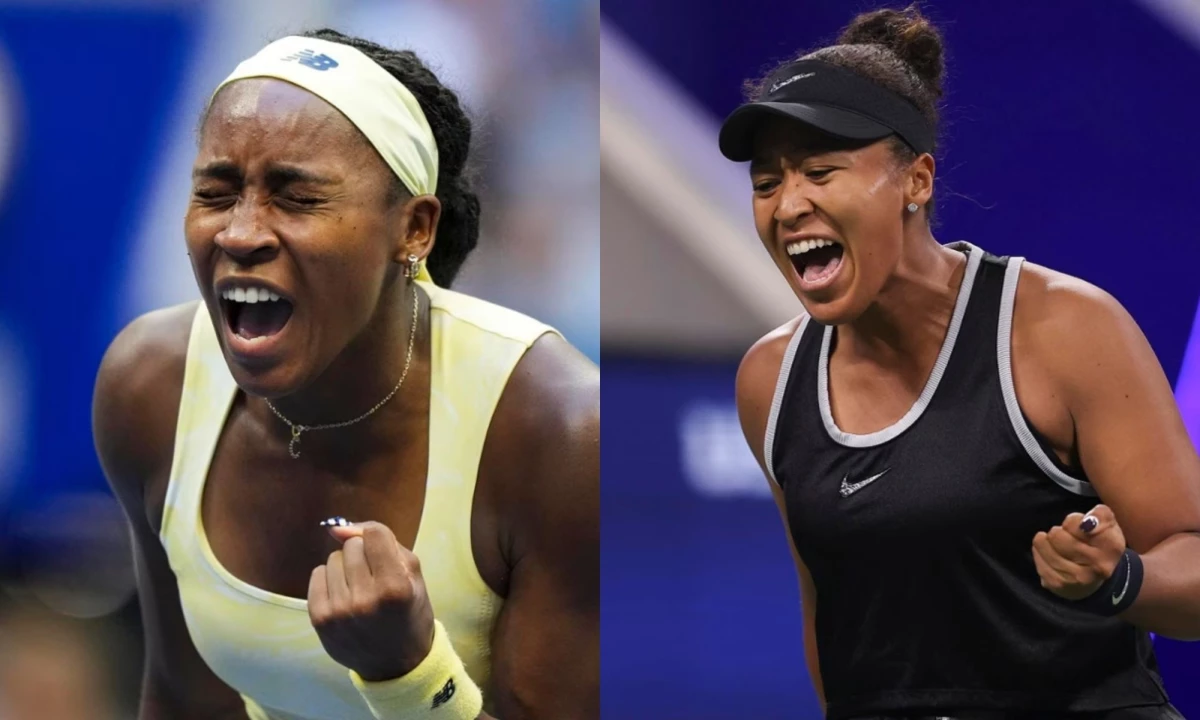
But the program came under scrutiny after attendees used ring lights and made noise during Naomi Osaka's first-round match.
The USTA says none of the people involved held creator credentials.
Osaka said she could hear the group shouting from the court during play.
She said creator access can work for tennis if everyone knows the proper etiquette.
Meanwhile, Coco Gauff said a different demographic is good for the sport, but newcomers still need to follow its unspoken rules.
Jessica Pegula also criticized behavior that she called disrespectful.
The USTA has since added signage about flash photography and lighting.
Wimbledon has also responded by ruling out a creator accreditation category for 2027, according to the Press Association.
The All England Club will also confiscate ring lights and other equipment that could disrupt matches.
The two Grand Slams are now running opposite creator policies off the same viral clips.
The incident shows how quickly a creator strategy can become an event-management problem.
Tennis can use creators to reach new fans, but the access model changes how existing fans experience the sport.
The strategy had already drawn fan criticism at the Australian Open in January.
Fans complained that creators received premium access while other ticket holders waited hours to enter matches.
Brands Hold Access the USTA Never Credentialed
The controversy escalated during Osaka's first-round match, when a group of attendees filmed and posed while play was underway.
Chair umpire Kader Nouni repeatedly called for quiet as the activity became audible on court.
Gauff was more focused on flash photography, saying it can interfere with players during points.
At least one brand has since sent etiquette guidelines to the influencers it invited.
The US Open's creator program gives approved influencers media credentials and access to produce social content during the tournament.
The credentialed group includes social editors from Tennis Channel, Time, and the Associated Press.
Even though the USTA says the disruptors were not among them, the credentialed creators took the blame anyway.
Meanwhile, brands run their own access at Flushing Meadows, and Ralph Lauren shows the scale of it.
The 2026 US Open runs three weeks, and Ralph Lauren's retail activation around it runs six.
But its Nordstrom takeover, personalization stations, and redesigned Arthur Ashe suite sit outside the USTA's credential system.
The group that interrupted Osaka's match sat in a suite, which is the category that no accreditation rule covers.
The backlash also pulled two influencers, Meg Radice and Audrey Jongens, into the story.
They run the lifestyle account "The VIP List" and lost their access mid-tournament.
The USTA says they were never credentialed as media or creators and had been submitted on a food vendor's staff list.
The credential dispute and Osaka's disruption are separate incidents.
Together, though, they show how creator access can create problems around both behavior and access control.
The Australian Open ran a tier system that rewarded creators with perks based on content volume and impressions.
But fans questioned whether creators were getting priority over ticket holders.
Meanwhile, Wimbledon will not create a dedicated influencer accreditation category next year.
The common thread is the growing pressure on major events to make creator distribution part of the fan experience.
Tennis Has 27.3 Million U.S. Players to Reach
The US Open drew a record 1,144,562 attendees in 2025.
At this scale, the fan experience depends on multiple systems working together across ticketing, entry, retail, content, and sponsorships.
The potential audience is much larger.
About 27.3 million people played tennis in the U.S. last year, giving the USTA a large pool of fans to reach outside tournament grounds.
Creator access matters to the USTA because it reaches people who watch tennis on social before they decide to buy a ticket.
However, the million-plus fans already inside the venue still expect a controlled live experience.
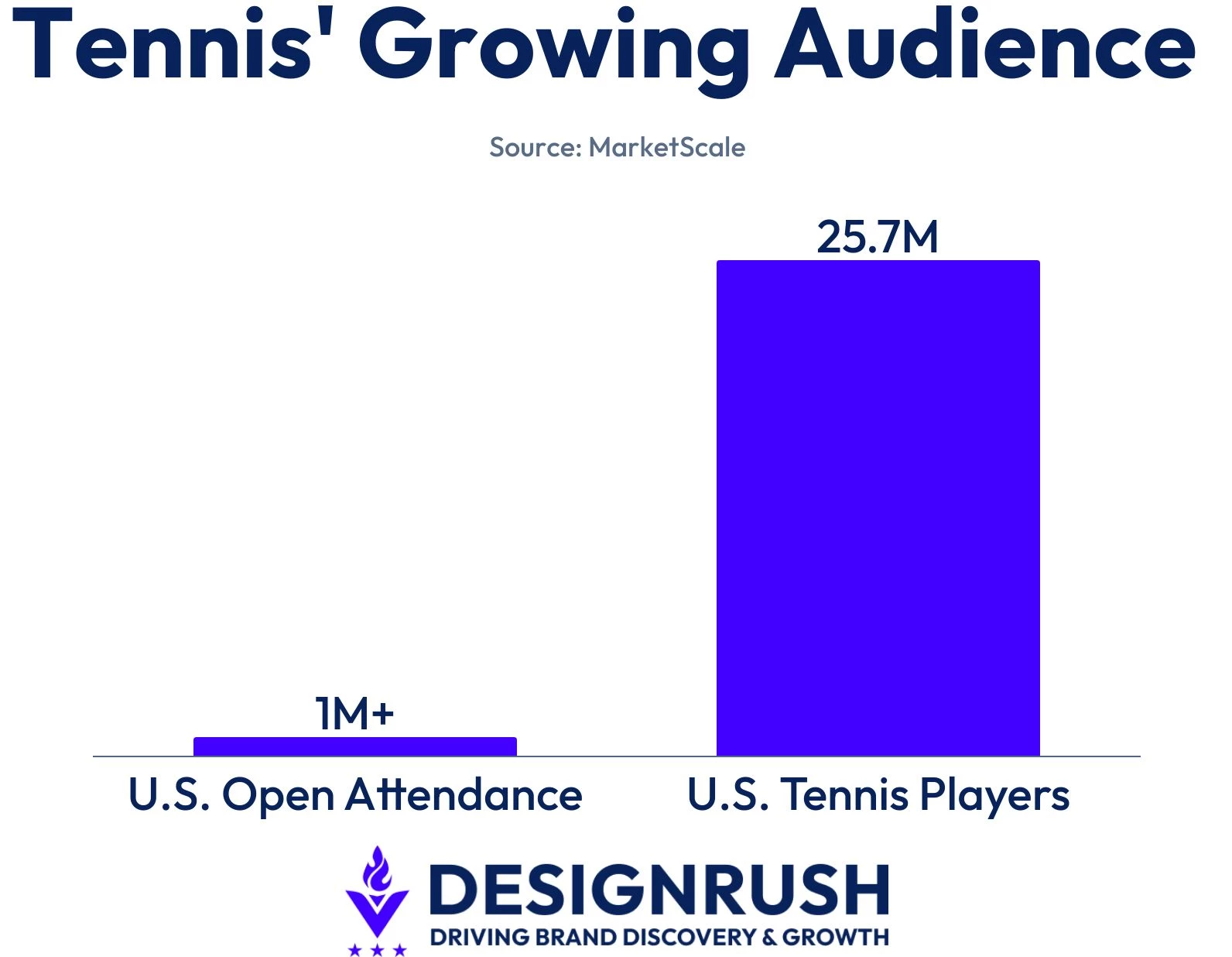
The gap between audiences is where creator access becomes a sports marketing problem, and here's what can be done about it:
- Structure the reach. Organizers should pair access with clear rules to protect the live experience.
- Protect perceived value. Events should make access feel equitable to protect ticket demand.
- Treat creators as an acquisition channel. Teams should use creators to reach new audiences to increase participation and attendance.
Creator distribution can expand an event's audience, but access rules determine whether fans see the content strategy as useful or unfair.
Our Take: Should Wimbledon Keep Creators Outside?
Wimbledon is closing a door the US Open's problems never came through.
We'd argue that the All England Club has the right instinct and the wrong target.
Comment
by u/danielbauer1375 from discussion
in tennis
The USTA says the people who interrupted Osaka's match held no creator credentials.
They reached Arthur Ashe through brand suites, sponsor hospitality, and ordinary tickets, which no accreditation policy touches.
Wimbledon can refuse creator credentials next June and still seat a hundred influencers in a partner's box or in seats they paid for themselves.
That's why we think the equipment rule is the part that will actually hold, because it governs what people do once they sit down.
Tournaments that want reach and quiet will have to write conduct terms into their sponsor and hospitality contracts.
The same terms also have to sit in the conditions of entry that every ticket holder agrees to.
Sports brands looking to balance creator reach with event experience can work with these top sports marketing agencies to develop creator and social strategies.