
IPSY Beauty Discovery Report 2026: Key Findings
- 75% of IPSY members have purchased products they first discovered through the platform, with discovery as a transaction driver.
- Hair gel demand surged 222% year over year in 2025, as the 'slick-back' look moved from trend to daily maintenance category.
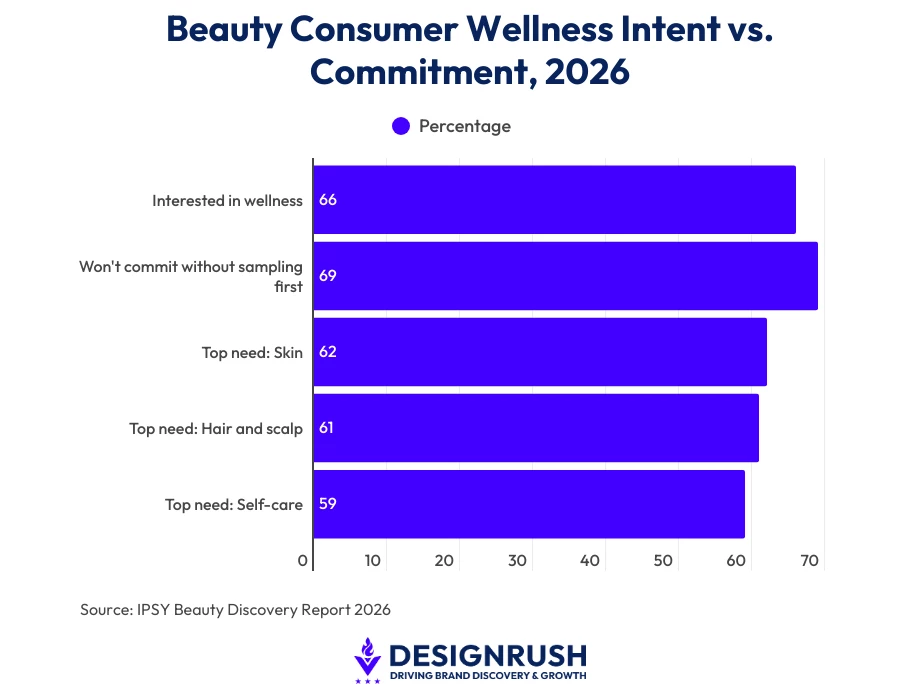
- 66% of members surveyed in 2026 are interested in wellness but feel overwhelmed by options, with 69% unwilling to commit before sampling.
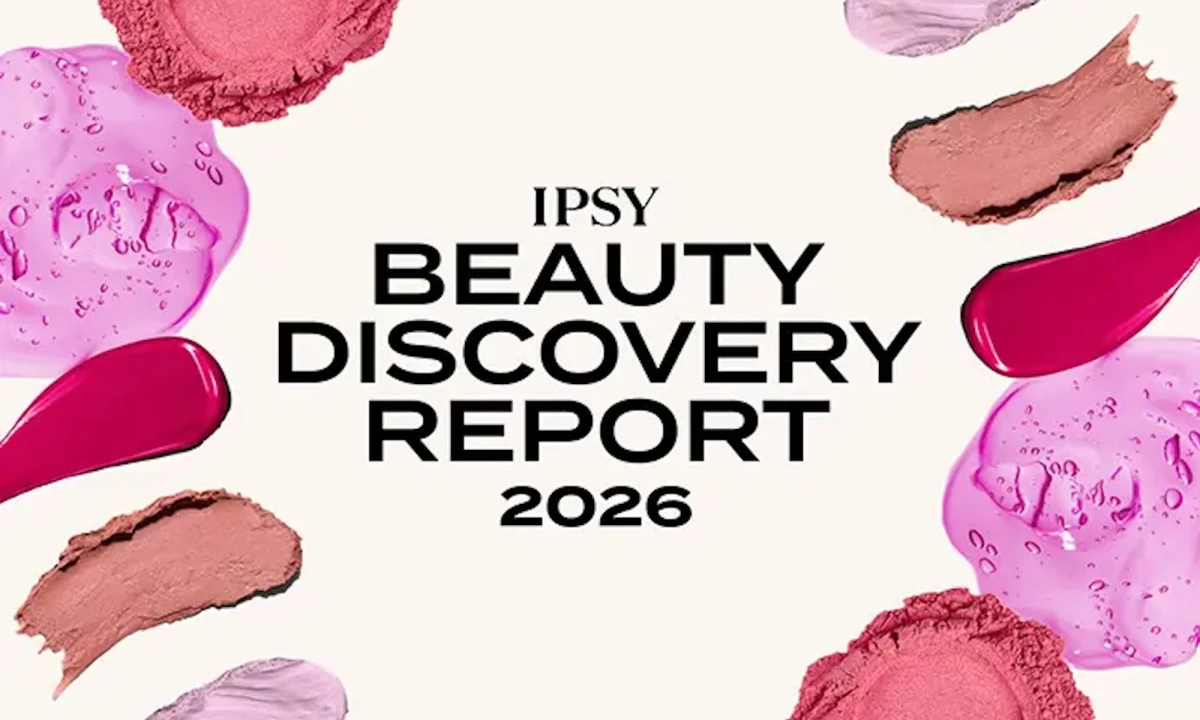
Cosmetics brand IPSY launched its 2026 Beauty Discovery Report, and the headline finding is that discovery is now closing the gap with purchase.
It draws on 200 million product reviews, 8,000 products evaluated across 400 brands annually, and a member survey conducted in February 2026 across North America.
For beauty brands and the agencies working with them, the most important number in the report is 75%.
This is the share of members who have purchased, or plan to purchase, products they first discovered through IPSY.
7 Trends Shaping Beauty in 2026
Hair gel demand surged 222% year over year in 2025, and hair treatment became the most-purchased category at 15% of units as the "slick-back" look became a popular trend.
Fragrance is also Gen Z's top beauty category, at 6.3% of units and around 78,000 units sold in 2025.
By December, it had nearly doubled its share of the category mix.
Blush spending hit $2.1 million in 2025, up 34% from 2024's figures, with members buying more shades per order.
Lip care units also rose 10% while lip color fell 23%, with Lip Plumper up 182% and Liquid Lipstick down 56%.
Gen Z over-indexed in bronzer, contour, and blush, while Millennials led in skincare products and Gen X prioritized shampoo and eye treatments.
66% of members are interested in wellness, and 69% say they won't committo a routine before sampling first.
When it comes to beauty brands, the pattern across all seven trends points to the same thing.
Consumers are spending more intentionally, and the categories gaining ground right now are the ones that people can easily fit into a daily routine.
Discovery as a Revenue Driver
With 75% of IPSY members converting from sample to sale, trials are generating measurable revenue.
The wellness finding also adds another layer to the report's standout figures.
With high interest and high decision fatigue, the category shows that curation has commercial value.
Simply put, brands that lower their commitment barrier through sampling or guided routines are well-positioned to build regular loyalty in this segment.
Based on this year's report, here are a few priorities for beauty marketers in the second half of 2026:
- Treat sampling as a sales channel: The 75% conversion rate makes the ROI case for discovery investment.
- Segment by generation: Gen Z, Millennials, and Gen X are building entirely different routines, and a single brief leaves spend on the table.
- Lower the wellness entry point: Decision fatigue is high, and low-commitment trial is what converts curious shoppers into regular buyers.
Building discovery into a media strategy is how sampling converts into sustained purchase behavior.
Our Take: Is Discovery Now the Most Valuable Touchpoint in Beauty?
We think the IPSY data supports a good case for discovery.
The 75% conversion figure should be in every beauty media brief in 2026.
It reframes sampling from a brand awareness tactic to a revenue driver, and it changes how discovery investment gets evaluated against other channel spend.
It's also worth observing the findings around wellness purchases.
There is a lot of intent in that category, and a lot of consumers are waiting for the right entry point before they commit.
Beauty brands building discovery-led strategies need agencies that understand how to connect sampling, social, and retail media into a single conversion path.
Explore the top beauty marketing agencies in our directory.