
Apple's CEO Succession: Key Points
- Apple’s leadership focus has reportedly shifted toward John Ternus, senior vice president of hardware engineering.
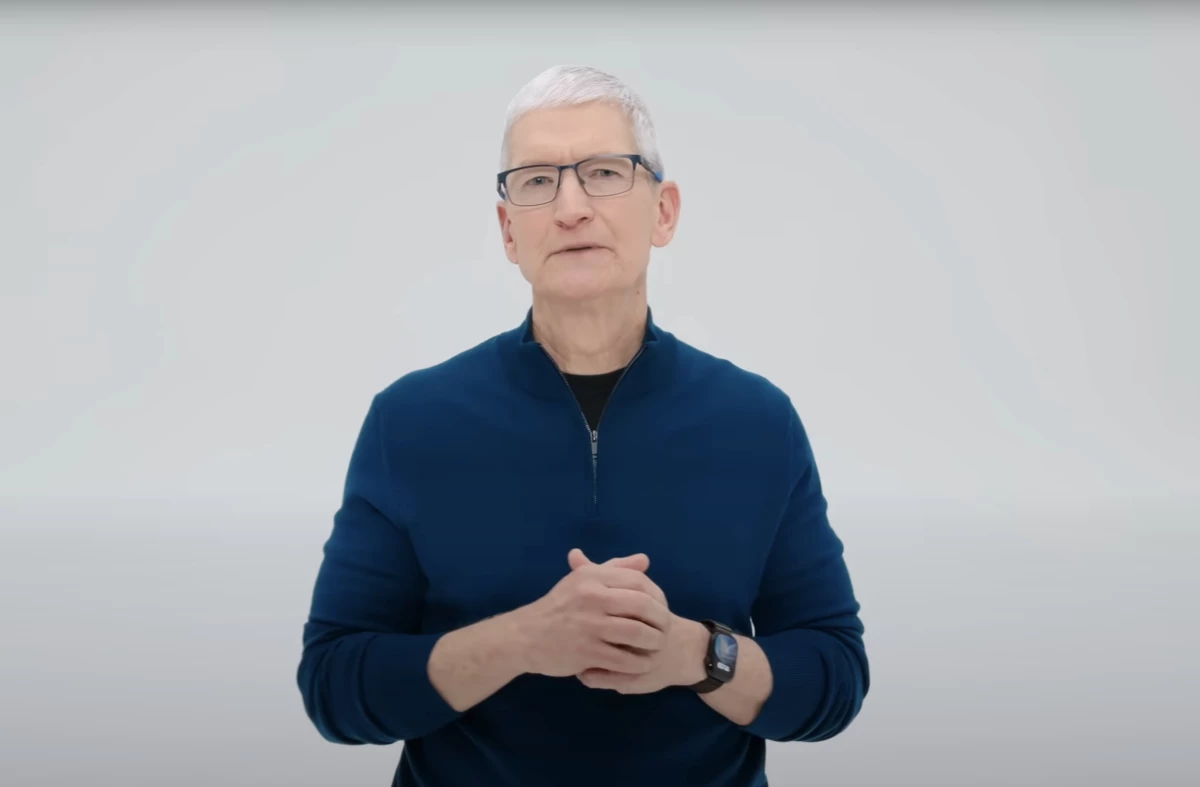
- CEO Tim Cook is turning 65 this November and has led Apple since 2011, guiding its valuation to nearly $4 trillion.
- The tech giant’s next chapter will hinge on balance, preserving its brand identity while rediscovering how to surprise its audience.
Apple’s leadership structure is changing quietly but unmistakably.
After 15 years as CEO and as he turns 65 next month, Tim Cook’s eventual exit has moved from hypothetical to expected.
John Ternus, Apple’s hardware engineering chief, is now seen as the leading internal successor, Bloomberg's Mark Gurman reported on Monday.
Power On: Inside Apple’s succession planning, with the company intensifying the spotlight on hardware chief John Ternus as next CEO, multiple executives discussing retirement and a search for a new AI chief. https://t.co/fIGNw4VfiT
— Mark Gurman (@markgurman) October 5, 2025
It's a name already familiar to Apple fans for his keynote appearances and product reveals.
Ternus joined Apple in 2001 as a mechanical engineer and rose through the product design ranks, ultimately heading Hardware Engineering in 2013.
He helped oversee the transition to Apple Silicon and has led the company’s hardware engineering division since 2021.
Has anyone noticed Tim Cook is conspicuously absent from the recent Apple announcement videos?
— Cosmo Scharf (@cosmoscharf) October 29, 2024
Instead, John Ternus has opened and closed both videos so far.
Likely getting the public used to him before he takes over as CEO. pic.twitter.com/yCPy0FAcVZ
Over two decades, his work has shaped the modern Mac, iPad, AirPods, and the iPhone itself.
At 50, Ternus is the same age as when Cook took over from Steve Jobs, offering longevity and experience.
His background also reflects the kind of leadership Apple may need next: technically grounded, product-oriented, and measured.
What Changes If Ternus Gets the Job?
Under Cook, Apple became a financial powerhouse, expanding services revenue and supply chain precision.
Today, the Silicon Valley brand has a market cap of $3.81 trillion.
A Ternus-led Apple would likely shift focus toward product reinvention, with fewer operational headlines and more engineering breakthroughs.
And recent decisions reinforce this direction.
Apple reportedly shelved plans for a lower-cost Vision Pro to accelerate its smart-glasses program, which is expected for release around 2027.
This pivot points to a company refocusing on products built for everyday use rather than ambitious experiments.
The Brand Question
Apple’s identity under Cook has been one of refinement and reliability.
The challenge for the next decade will be rekindling its spark for innovation while keeping the consistency that defines its brand.
For a company that built its image on the mantra of thinking differently, the coming years will test whether it can still surprise us.
Apple’s next era, whether led by Ternus or not, will determine if it can reinvent the feeling that once made its launches cultural moments.
This balance between stability and reinvention is something every mature brand eventually confronts.
The ones that last find ways to evolve without losing their core. At this stage, these three lessons usually hold true:
- Innovation has to feel earned. Real progress connects back to what made a brand meaningful, not what’s trending.
- Consistency builds credibility. People return to brands they trust, especially when the world around them feels uncertain.
- Culture shapes relevance. Staying connected to what audiences care about keeps a brand alive long after its first success.
In the end, leadership becomes the quiet force behind this balance.
The tone from the top decides how far a brand can push forward without drifting away from what people recognize.
Our Take: How Will Apple’s Brand Look Like After Cook?
Apple must keep the discipline that Cook perfected while rediscovering the curiosity that built its name.
From my view, this balance will define the company’s next chapter.
Cook gave Apple structure and stability, but it was people being curious about it that made the brand unforgettable.
The task now is to protect what works while reopening the door to new ideas and genuine surprise.
If Ternus steps in, I expect Apple to focus more on possibility, the kind of thinking that makes people feel something again.
This would mark a return to risk and to designing products that challenge the familiar instead of merely polishing it.
If Apple can do that, it will not just continue its legacy but reconnect with the sense of wonder that built it.
In other news, the tech giant recently launched an iPhone 17 Pro campaign that showcases its durability and cinematic power.
Strategy defines how legacy brands stay relevant. These top agencies guide companies through transitions that strengthen trust and open new chapters.


-preview-webp.webp)