
Rockstar's Brand Equity: Key Findings
- Rockstar Games faces a labor dispute after firing over 30 workers, sparking union-busting allegations and political scrutiny that severely compromises the brand's public image.
- The Grand Theft Auto VI delay until November 2026 is undermined by ongoing labor protests, which creates a major gap between the brand's quality message and its internal reality.
- The delay and worker controversy present significant brand risk for Take-Two Interactive, placing intense scrutiny on their capability to manage a valuable entertainment company.
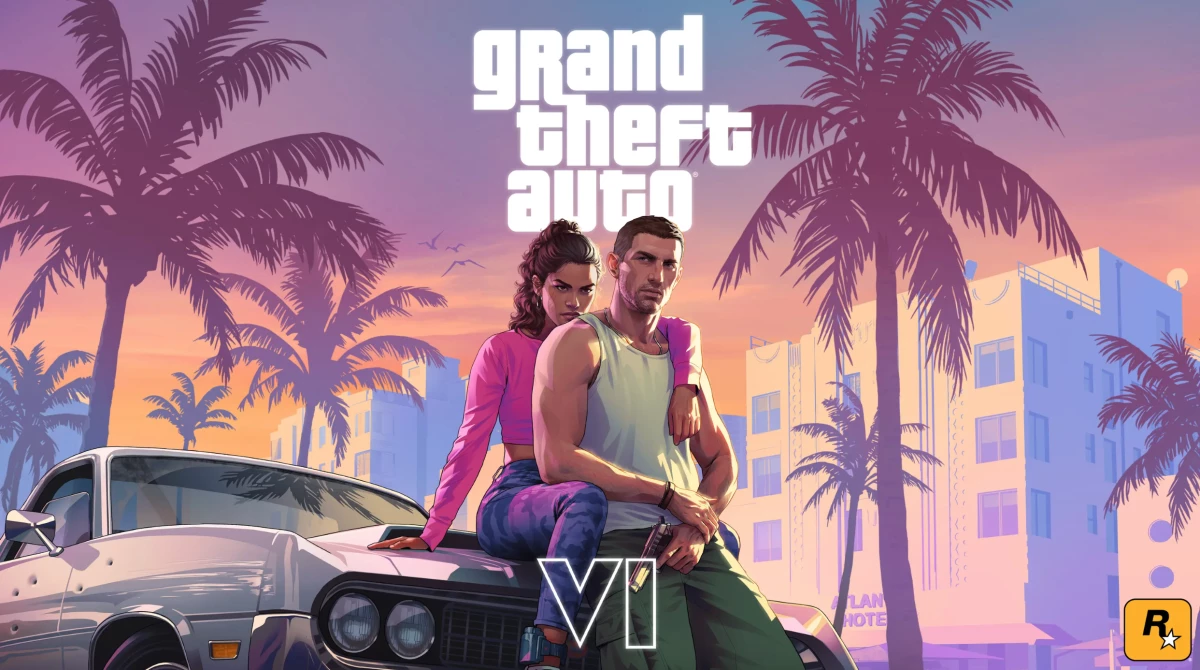
Rockstar Games has confirmed that the long-awaited title won’t launch in 2025, pushing the release to November 19, 2026.
The Grand Theft Auto VI (or GTA 6) news arrives alongside external pressure regarding internal labor practices, putting pressure on the Take-Two Interactive holding company.
Take-Two Interactive owns three major publishing labels: Rockstar Games, Zynga, and 2K, which operate internal game development studios.
Over 220 Rockstar employees have signed an open letter calling for the reinstatement of more than 30 colleagues allegedly terminated for engaging in union-related discussions.
🚨The first of multiple planned protests outside Rockstar Games and Take-Two have begun
— GTA News 🔴 RockstarINTEL.com (@GTAonlineNews) November 14, 2025
📷IWGB pic.twitter.com/fJZbeNN7gm
The desired launch of GTA 6 and its successive delays have been a strategic risk, signaling a major brand reputation crisis for the gaming brand.
Protests are escalating outside offices in the UK and Paris, forcing the narrative away from product anticipation and onto corporate governance.
For marketers, the crisis shows how internal labor disputes can swiftly override even the most powerful entertainment properties, immediately impacting long-term brand equity.
The High Cost of Internal Conflict
Rockstar Games' labor issue has crossed the line from an internal HR matter to a public relations nightmare, now drawing the attention of UK Parliament.
Christine Jardine, an MP from Edinburgh West, publicly called out the company over the firings:
"Could I have a meeting with the relevant minister to discuss what steps could be taken to support the workforce?", she asked in Parliament.
This political involvement turns the corporate controversy into a national issue, adding legislative pressure and validating the union’s claims of union-busting.
The company's choice to characterize the terminations as "gross misconduct" appears defensive, particularly when viewed against the backdrop of the organized labor efforts.
"It’s heartwarming to see so many of our colleagues supporting us and holding management to account," said one of the fired employees.
The conflict directly threatens the premium image forged by Rockstar's video game giant hits, including Grand Theft Auto V (GTA 5) and Red Dead Redemption 2.
When a brand's actions generate high-profile political condemnation, the reputation damage becomes exponentially harder to control.
While the official reason for the delay to November 2026 is quality control, the timing is suspicious to industry observers.
Reports indicate the company recently mandated a return to the office to "polish" the delayed project, a move viewed by some employees as an attempt to enforce hard work conditions.
Lessons in Crisis and Culture Management
The Rockstar Games crisis is a real-time case study for executives on how quickly internal labor disputes can destabilize the brand image without a crisis communication plan.
Here is what companies can take from this crisis management:
- Integrate Employer Brand: A major launch's narrative is compromised when the internal culture contradicts the external quality promise, instantly leading to the loss of public trust.
- Acknowledge Stakeholder Power: Brands must anticipate that organized labor disputes quickly escalate to political and social scrutiny, demanding a crisis communication planning.
- Align Messaging and Action: External communication about product delays requires visible internal commitment, claiming "polish", fails when leadership clashes with the team welfare.
This labor dispute confirms that authentic brand growth today is rooted in transparent, strategically aligned workplace culture.
It offers executives a clear template for assessing risk in high-pressure development environments.
Our Take: Can This Partnership Drive Long-Term Equity?
In all honesty, if they repair their "foundations" by starting with their crisis management within their teams, they will survive.
The company built its premium brand on quality and mystique; the delay itself is less harmful than the resulting narrative of corporate labor abuse
To protect its brand integrity, Rockstar must prioritize developer welfare and prove its internal values match its public promise.
This would realign the company’s internal values with the quality and scale of its flagship titles, which continue to command massive global demand from millions of players.
Rockstar’s brand strength remains undeniable, evidenced by the initial GTA VI trailer pulling 69 million views in 24 hours, but this crisis is about more than sales figures.
If your brand needs to generate blockbuster excitement, secure an expert Top Video Production Agencies.