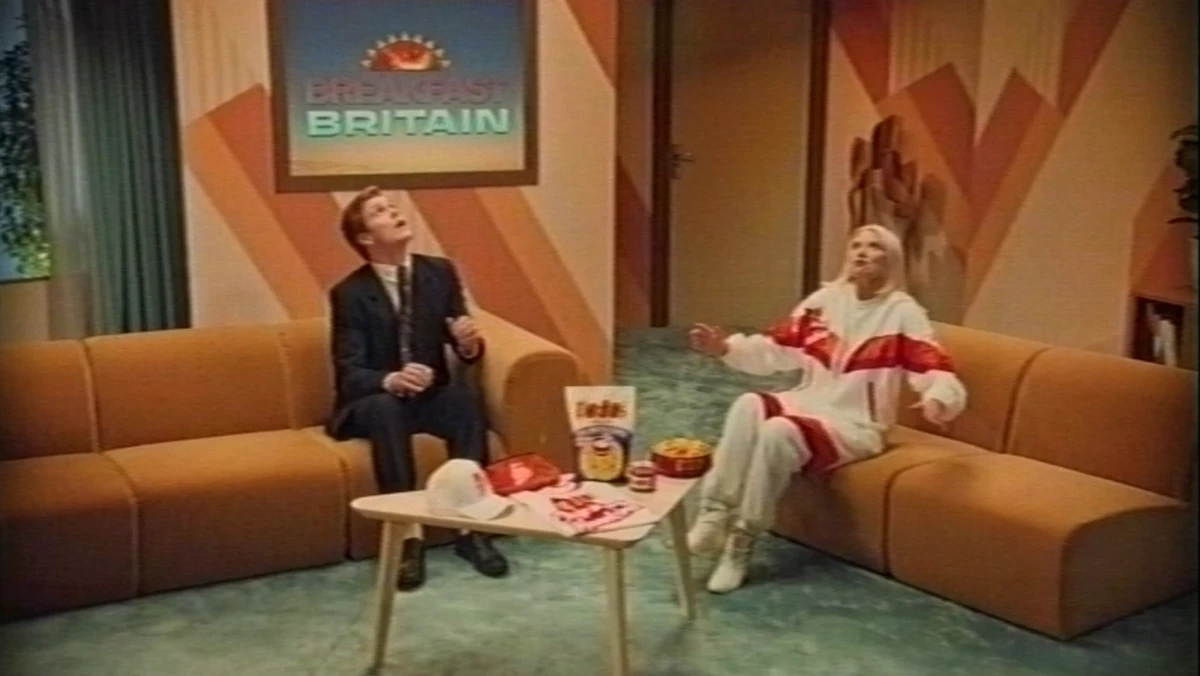

Doritos x Stranger Things: Key Points
- Doritos and Netflix launch a cinematic crossover spot directed by BLOK, bringing back Anneka Rice in a de-aged 1980s setting.
- The spot plunges a fictional chat show into the Upside Down, making it funny, nostalgic, and a visual spectacle all at once.
- Absolute Post delivers VFX mastery, balancing retro aesthetics with cutting-edge CGI to immerse fans in Hawkins’ dark mirror world.
Doritos has never shied away from bold collabs, and its latest one is taking viewers straight back into Hawkins, Indiana.
In its ongoing nostalgic crossover with Netflix’s “Stranger Things,” the snack brand revives a 1980s TV studio setting led by broadcasting icon Anneka Rice.
Only to pull her and the audience into the eerie chaos of the Upside Down.
“Doritos and Stranger Things is a bold match made in heaven,” said Matt Watson at Sips & Bites, Pepsico.
“From day one, we wanted to merge nostalgia with cutting-edge craft, making the spot feel like a lost artifact of the 1980s, before tearing that reality apart with the full force of the Upside Down.”
The directors behind BLOK echoed that excitement.
“It’s not every day you get to make a spot that’s part '80s Morning TV Show, part Netflix supernatural horror series,” they said.
“Being the first to extend the Stranger Things universe to the UK made it even more exciting.”
At its heart, the campaign taps into the ongoing hype for the show to tell a powerful brand story.
It revisits the past through a modern lens and creates a link between generations; one that feels authentic, eerie, and delightfully self-aware.
Inside the Upside Down
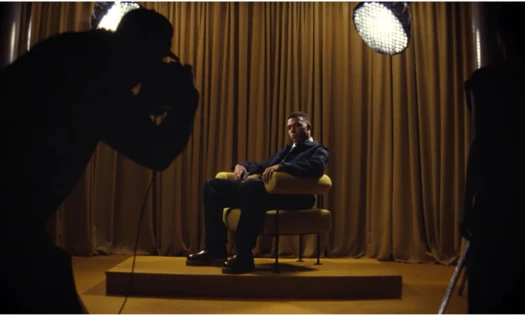
The spot opens like a vintage morning talk show, where Rice discusses the strange goings-on in Hawkins.
Within moments, the broadcast collapses into supernatural disorder, with a fissure ripping through the set and reality itself unraveling.
Turning Rice back into her 1980s self was no small feat.
Absolute Post handled the de-aging work, deploying advanced compositing, CGI, and color grading to mirror the show’s cinematic style.
To seal the illusion, the team transferred the final cut onto actual VHS tape, adding real visual artifacts and distortions from the era.
“The artifacts and distortions are all real and true to the period-specific tape we used,” said BLOK.
“It actually exists as an actual VHS tape, which is pretty cool.”
The result is both a love letter to vintage TV and a testament to the craft of modern production techniques.
Netflix's brand partnership with Doritos was first unveiled through a US campaign titled "Stranger Things Telethon."
It invited fans to call a hotline for a retro surprise from ALF, Paula Abdul, and David Hasselhoff.
The efforts also introduced new flavors and packaging from the snack brand reminiscent of its '80s era, staying in line with the theme of the show.
Other brands have explored nostalgia-driven reboots before.
Pretty recently, McDonald's revived its '90s-born "McDonaldland" concept and reintroduced the fast-food hit to a new generation through a wide variety of assets.
Like McDonald's, Doritos is set to prove that the right mix of memory and innovation can reignite interest in legacy brands.
What We Can Learn From Doritos’ Campaign Strategy
For marketers, Doritos’ crossover with Netflix offers a lesson in nostalgia marketing done right.
- Nostalgia campaigns work best when paired with cinematic storytelling and cultural relevance rather than pure imitation.
- Visual effects and analog techniques, like VHS distortion, can lend authenticity to period-inspired campaigns.
- Strategic collabs with entertainment properties can expand a snack brand’s cultural footprint.
The real challenge now lies in how Doritos continues to evolve this momentum.
Will it maintain that emotional hook while keeping its campaigns fresh and unexpected, at a time when social media is oversaturated with reboots and rebrands?
Our Take: Does Nostalgia Still Sell?
I think what makes this Doritos and Stranger Things crossover work is that it doesn’t treat nostalgia as decoration but as a narrative tool.
The campaign doesn’t just wink at the ‘80s and instead rebuilds the decade with care, from the VHS fuzz to the clunky chat-show charm.
That’s where real creative power lies: not in repetition, but in reanimation.
Recently, Coleman also jumped on the Stranger Things hype with its own retro-themed camping collection.