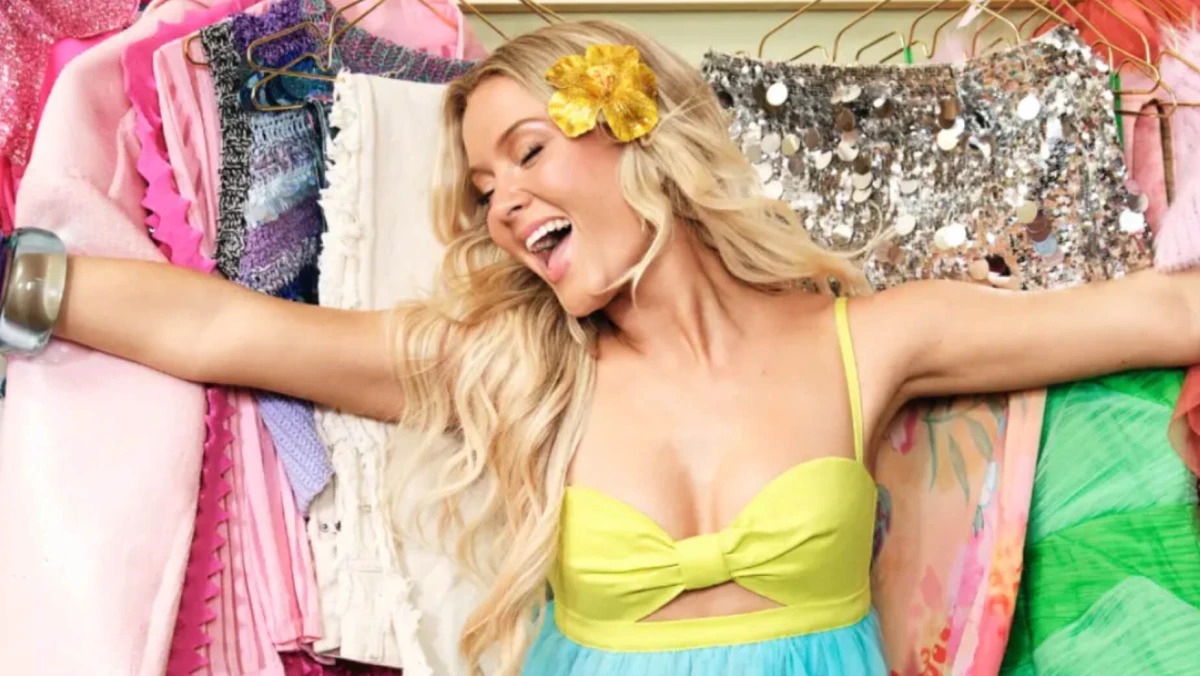

Zara Larsson never needed anyone's permission to treat getting dressed as a small act of rebellion.
Depop is now handing her the camera to prove it.
The global resale marketplace launched a new campaign starring the multi-platinum pop artist.
RadicalMedia produced the four-part content series, and Dave Meyers directed it.
The films follow Zara's own instincts about getting dressed, and the looks feel like rifling through her own wardrobe on a good day.
View this post on Instagram
Vintage and new pieces get thrown together until something unexpected shows up.
"Fashion has always been one of the ways I express myself," Zara said.
"I love mixing vintage with newer pieces and finding things that feel unexpected. That's why I've always loved Depop."
Steve Dool, Depop's brand and creative director, put the emphasis on what fans do with their own wardrobes after watching.
"This campaign isn't just about people mimicking what Zara wears," he said.
"It's a celebration of the creativity and individuality that comes from discovering fashion that's uniquely your own."
View this post on Instagram
The team shot the project in Sweden. Caterina Ospina styled it, Sophia Sinot led makeup, and Ali Pirzadeh did hair.
Ultimately, it's a clear example of celebrity marketing used to sell a way of thinking about clothes, not just a single product to add to cart.
Each Film Mines a Wardrobe Frustration
Each of the four films takes a mundane wardrobe frustration and turns it into a small, comedic scene.
The humor carries a product demo, and each scene shows how fast someone can list, browse, or buy on the app.
View this post on Instagram
Alongside the films, Depop is opening "The Zara Larsson Edit."
It's a dedicated shop stocked with 20 to 30 pieces pulled from her personal wardrobe, plus upcycled merchandise and other one-of-a-kind finds.
Everything sits at attainable price points, so the shop works as an entry point into her wardrobe.
Pricing at this level keeps the drop inside the buying habits that Depop already depends on, making the campaign measurable at checkout.
Gen Z Powers a $34 Billion Resale Market
The "Zara Larsson Edit" shows how a real personal collection makes a digital marketing campaign feel authentic.
Depop made one artist's actual wardrobe the stand-in for its entire resale pitch.
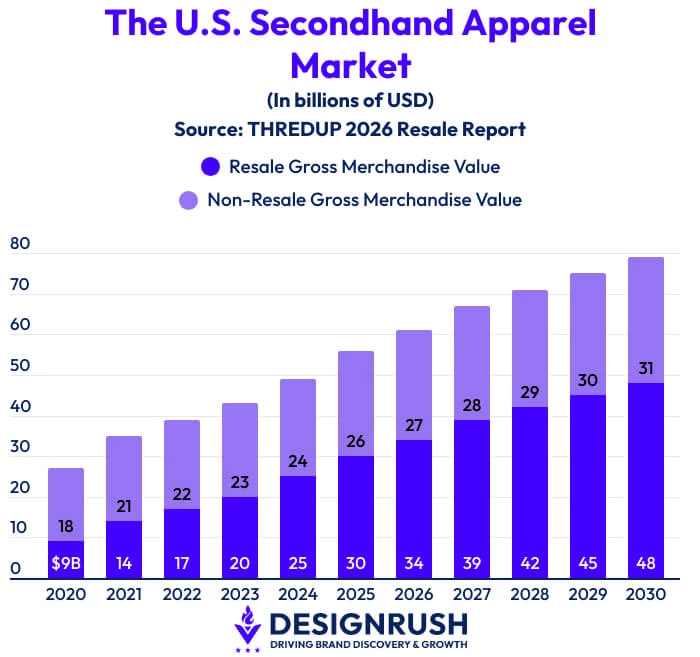
The U.S. secondhand apparel market's gross merchandise value is about $34 billion in 2026, according to ThredUp's 2026 Resale Report with GlobalData.
Gen Z and millennials will drive more than 70% of resale growth through 2030. Gen Z also makes up the bulk of Depop's base.
Depop is compressing that growth into one person's wardrobe, so every piece in the shop has to work twice.
It functions as content first, then as something a shopper actually buys.
A few lessons stand out for marketers watching this play out:
- Ground the story in a real habit: the campaign doesn't ask shoppers to "go thrift" and instead shows Zara's actual mixing-and-matching process as the whole idea.
- Give fans something to buy: this is a given. The Zara Larsson Edit converts the film's premise into a storefront within the same launch window.
- Use the celebrity as proof: Zara's presence backs up the app's pitch that secondhand fashion is creative work, not settling for less.
The strongest move here is asking shoppers to look through actual pieces. The case for secondhand fashion follows once they are already browsing.
Our Take: Can an Artist's Closet Convince You to Shop Secondhand?
We keep seeing celebrities front resale campaigns, but rarely do they hand over actual pieces from their own closet for sale.
And we think it works, because Depop borrowed Larsson's actual stock.
Credibility now rides on whether those 20 to 30 pieces read as genuinely hers.
View this post on Instagram
If it works, expect more brands to follow suit.
If it doesn't, shoppers will notice the gap between the story and the shelf fast.
All in all, we think Depop still hit the nail on the head in how authenticity and deep celebrity involvement are effective attention-grabbers.
Campaigns like this highlight the value of a creative strategy rooted in consumer behavior and production.
Explore these top creative agencies to find partners that translate audience insights into campaigns with long-term business impact.