
Chili's Big Crispy Food Court Campaign: Key Findings
- The chain launches an immersive pop-up that puts fast food "on trial", turning a product launch into a participatory experience.
- The Big Crispy lineup joins the $10.99 3 For Me menu, combining portion size with full-service value.
- The campaign uses live comparison and audience participation to reinforce its positioning against drive-thru competitors.
Chili's is taking its value message off the menu and into the real world.
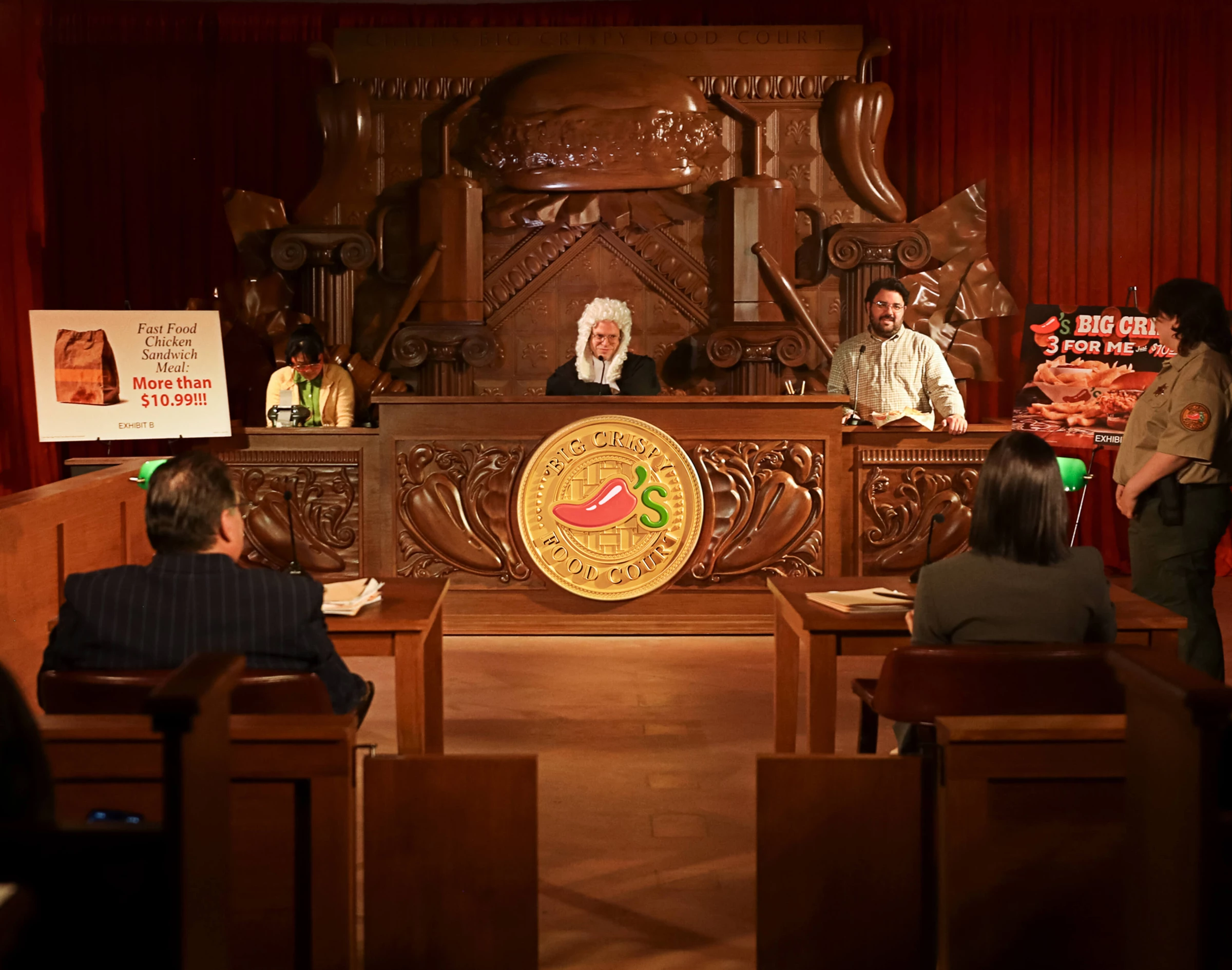
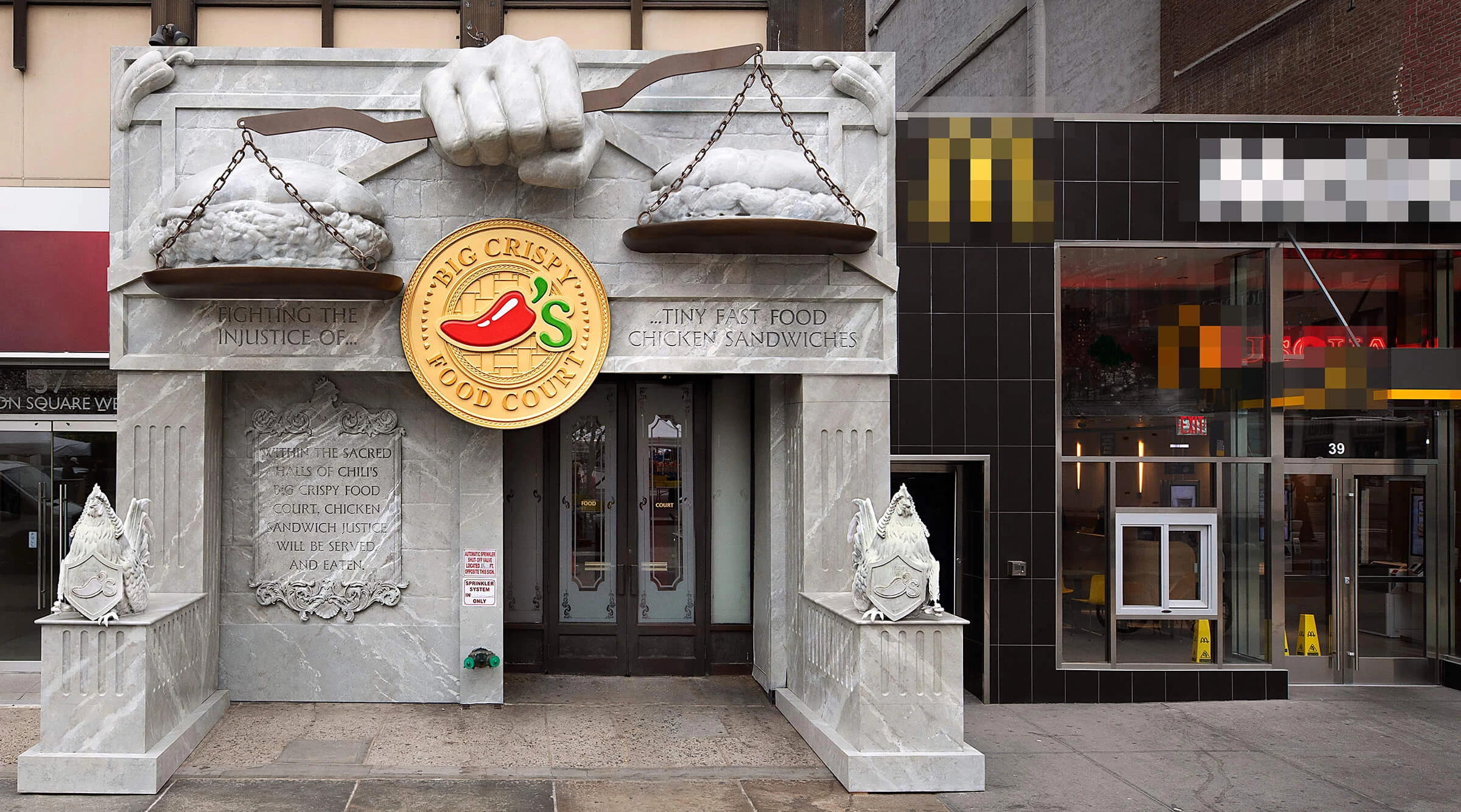
To promote its new Big Crispy chicken sandwich lineup, the brand is launching the Big Crispy Food Court, an immersive pop-up in New York where fast food is put "on trial".
Visitors step in as the jury, comparing Chili's offering directly against the drive-thru experience.
The idea builds on a long-running claim: that a full-service meal can compete with, and even beat, fast food on value.
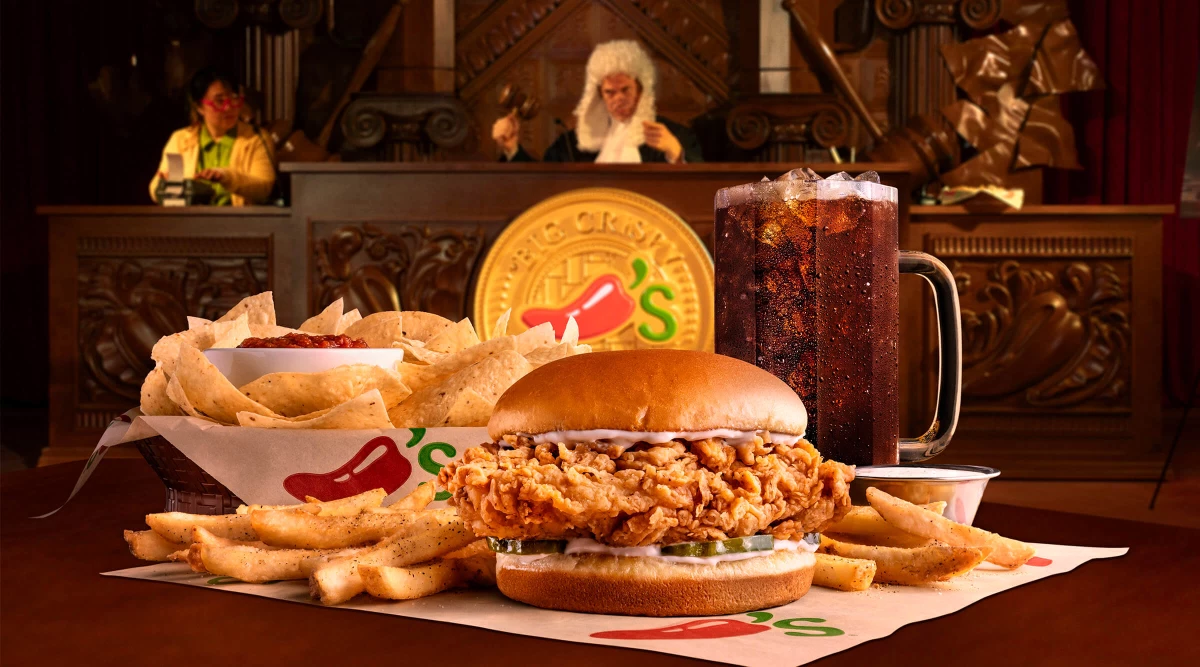
At the centre of that argument is the updated $10.99 3 For Me menu, which now includes the Big Crispy and Spicy Big Crispy sandwiches alongside fries, bottomless chips and salsa, and an unlimited drink.
Chili's is backing that positioning with comparison data, stating that its Big Crispy filet is significantly larger than competing options in the category.
Turning Value Into a Live Experience
The pop-up activation moves the campaign beyond messaging and into participation.
Instead of simply telling customers that Chili's offers better value, the brand creates a setting where people can test that claim themselves.
Guests sample the product, review the "evidence", and share their verdict on-site.
Value has become harder to communicate through advertising alone, especially in a category where price-led messaging is constant.
By turning the comparison into an experience, Chili’s gives people a more direct way to engage with the claim.
The format also introduces an entertainment layer.
Attendees leave with a meal and the chance to deliver their judgment to a Court TV-style correspondent.
This turns the interaction into something that can extend beyond the physical space through social sharing.
Expanding the Big Crispy Lineup
Alongside the activation, Chili's is scaling the product itself.
The Big Crispy range launches nationally in six variations, covering both core and flavour-led options.
The lineup includes:
- Big Crispy - classic hand-battered chicken with mayo and pickles, part of the $10.99 meal
- Spicy Big Crispy - a hotter version with a slow-building spice profile
- Honey-Chipotle Big Crispy - coated in the brand’s signature sweet-heat sauce
- Nashville Hot Big Crispy - a spicier take balanced with classic toppings
- Buffalo Big Crispy - a familiar flavour pairing adapted for the format
- Deluxe Big Crispy - a heavier option with bacon, Swiss cheese, and fresh toppings
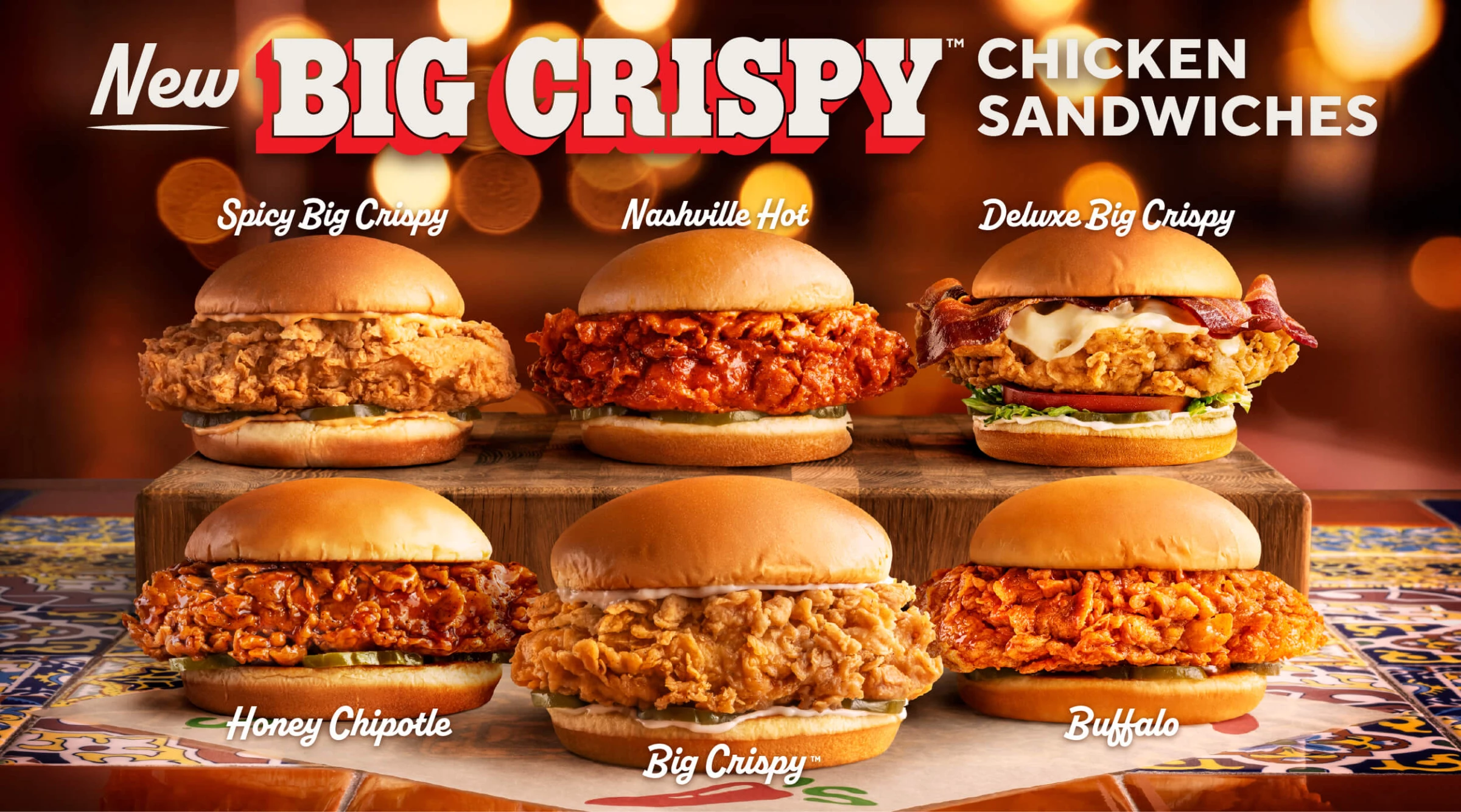
This wider range supports the campaign by reinforcing choice and abundance, positioning Chili's as an alternative to more limited fast food menus.
The campaign reflects a more direct approach to competitive positioning.
Rather than implying value, Chili's puts it side by side with fast food and invites customers to judge for themselves.
That approach breaks down into a few clear moves:
- Turn comparison into an experience. The pop-up creates a space where claims can be tested, not just stated.
- Anchor messaging in product reality. Portion size, pricing, and meal structure all support the value argument.
- Use participation to extend reach. Guests become part of the campaign through shared verdicts and social content.
- Reframe casual dining expectations. The brand positions itself as competitive with fast food, not separate from it.
This gives the campaign more credibility. Instead of relying on promotional language, it builds the argument through direct interaction and visible proof.
Our Take: Can Casual Dining Compete With Fast Food on Value?
Chili's is making a clear case that it can.
In a category where speed and price have long defined the competition, the brand shifts the focus towards what customers actually receive.
A full meal, larger portions, and a sit-down experience at a similar price point create a different kind of comparison.
The Food Court activation strengthens that argument by turning it into something customers can experience firsthand.
The challenge will be consistency.
A one-day activation can generate attention, but the positioning only holds if the same value is delivered across every location.
If the product and experience match the promise, Chili's has a stronger claim to compete directly with fast food.
This isn’t the first time Chili's has leaned into consumer frustration to make its point.
Earlier, the brand tackled rising fast food prices with its "Fast Food Financing" campaign, using satire to position its menu as a smarter, better-value alternative.
Looking to turn product launches into experiences that drive engagement?
Explore DesignRush’s selection of top experiential marketing agencies.