
Apple’s Accessibility Film: Key Findings
- The latest spot reframes accessibility tools as everyday campus utilities, showing marketers how inclusive design can strengthen emotional connection at scale.
- The campus musical format demonstrates how human performance makes features more memorable.
- Apple aligns its updates with a global observance and multi-platform rollout, telling brands that timing and consistency reinforce long-term positioning.
Apple is making a bold statement this International Day of Persons with Disabilities by treating accessibility as a foundation more than a feature.
The tech giant dropped a new film titled “I’m Not Remarkable,” directed by Kim Gehrig, which follows disabled university students using built-in accessibility tools.
Among the features highlighted are new additions like Magnifier for Mac and Braille Access, alongside long-standing tools like:
- VoiceOver
- AssistiveTouch
- Live Captions
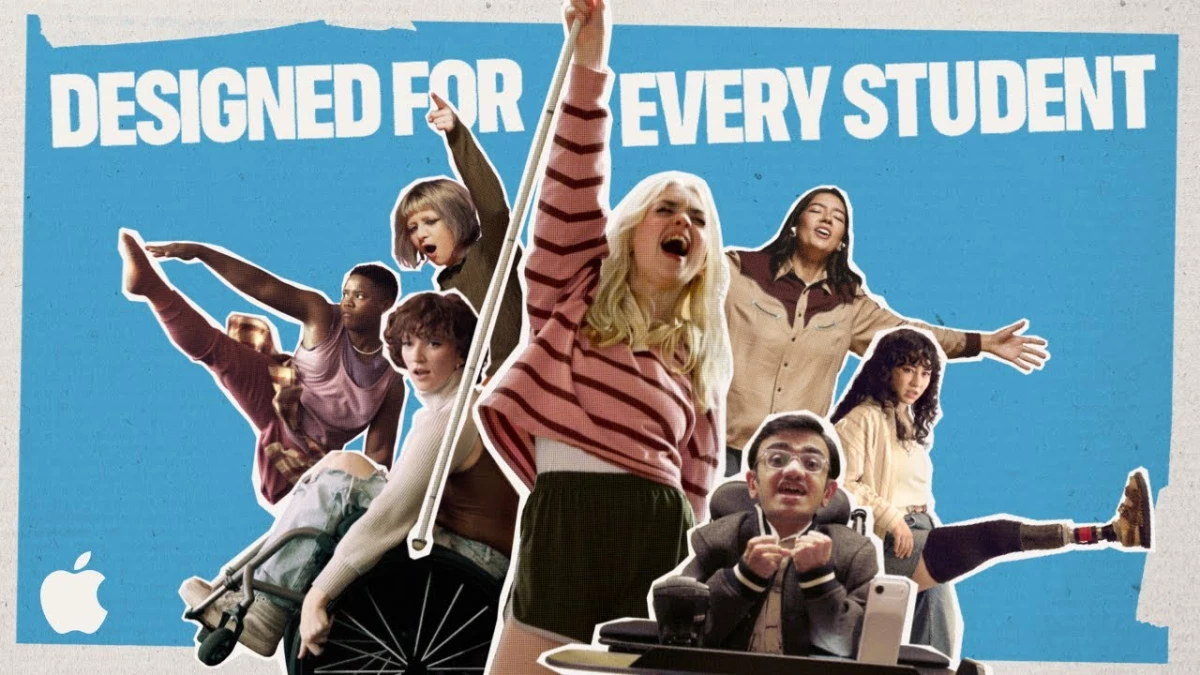
According to Apple, its products are "designed for every student,” giving those with disabilities better access to learning, campus life, and community.
What makes this new short film special is how it rejects a pity-based narrative.
Instead, it embraces a celebratory energy, with students bursting into song and dance as they walk across campus, enter lecture halls, study in dorms, and hang out with friends.
The vibe is joyful, affirming, and normalized, all to show that inclusion is part of everyday collegiate life and something the tech giant takes to heart.
A Story of Everyday Independence
The ad unfolds as a campus musical set to the track "I’m Not Remarkable" by Kittyy & The Class.
Students with different disabilities belt the anthem as they attend classes, explore dorm rooms, participate in study groups, or hang out at parties.
Instead of focusing on the struggles, it zones in on belonging, connection, and autonomy.
Moments in the film subtly show how features work: a student uses Magnifier on a Mac to read signage, while another uses VoiceOver to navigate the campus.
Meanwhile, Live Captions help students follow conversations.
These aren’t portrayed as "assistive add-ons," but as seamless parts of daily life.
The film rolls out globally across broadcast, digital, and social platforms, backing a push by the iPhone maker to affirm that accessibility is part of its core brand identity.
Overall, Apple is using emotional storytelling to reshape how we view accessibility.
Not as a limitation, but as empowerment.
A Clearer Lens on Accessibility
Apple illustrates inclusive storytelling rooted in brand values. Here, we learn that:
- Showing accessibility as a normal part of life helps brands position tech features as enablers, not fixes.
- Pairing product tools with a human-centered film format makes technical benefits more relatable.
- When visuals, narrative tone, and product positioning align, even serious topics like disability representation can feel energizing and optimistic.
This kind of approach also gives Apple a leadership edge, since few tech companies have figured out how to treat accessibility as a creative direction rather than a compliance box.
Our Take: Is Representation Still Worth Singing About?
I think yes, without a doubt.
I’m struck by how Apple doesn’t treat accessibility as a marketing gimmick but as a lived reality.
Showing students dancing through dorm halls with textbooks in hand and Live Captions humming allows Apple to show us a world where design doesn’t exclude.
I believe the brand shows that the most enduring campaigns sell stories people want to live in.
In other news, the tech giant also recently rolled out its "Peak Performance" campaign to tout its latest iPhone iteration.
Want to spark a creative revolution with your ideas? Discover the top creative agencies making a change in our agency directory.