
AI Cloud Security Risks: Key Findings
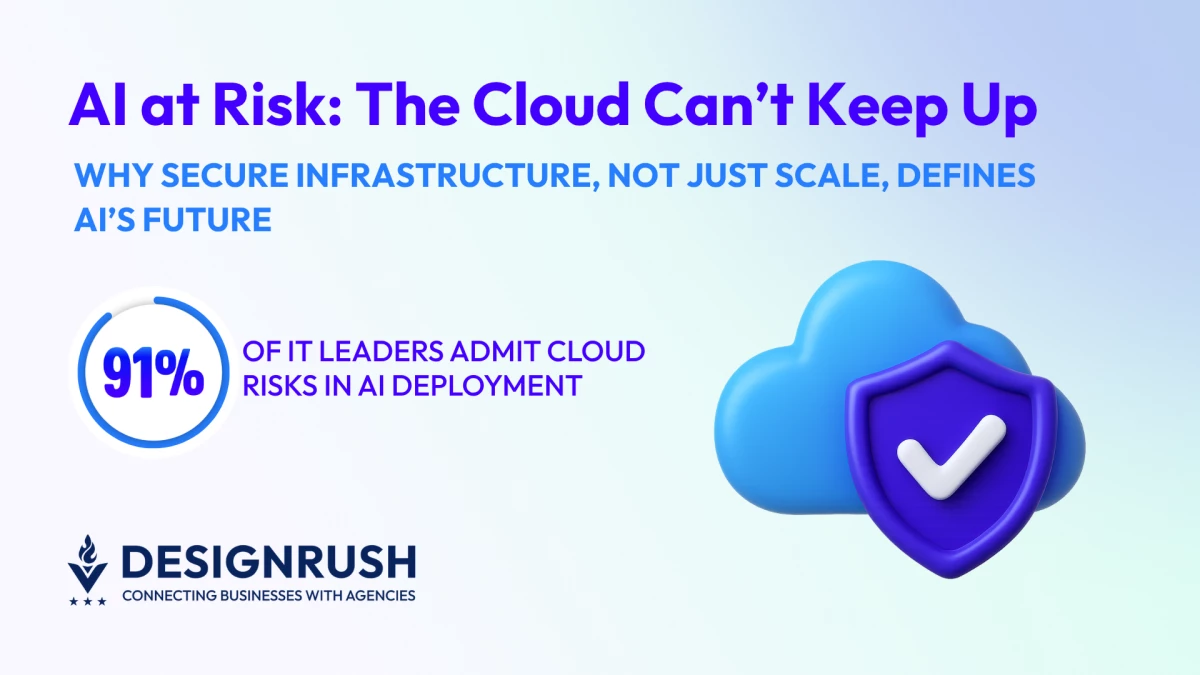
- With 91% of IT leaders admitting to AI cloud security trade-offs, long-term resilience now matters more than deployment speed.
- As 70% of AI workloads run with unpatched vulnerabilities, proactive patching and dependency management have become baseline requirements.
- Bare-metal infrastructure has now evolved from just being a compliance safeguard to a strategic move for AI teams handling regulated or high-risk data.
AI adoption is fast accelerating, with 91% of IT and security leaders admitting to making trade-offs in securing their cloud infrastructure, according to a 2025 Gigamon report.
The rapid rise of large language models (LLMs) and GPU clusters has driven enterprises toward scalable cloud solutions, but that scalability often comes at the cost of security.
Even more concerning, 58% of organizations have seen an increase in AI-powered ransomware attacks, up from 41% just last year.
This demonstrates that the same infrastructure that fuels innovation could be AI’s biggest vulnerability.
The Hidden Risks of AI Infrastructure
Cloud-based AI systems have created new entry points for attackers, from model inversion and data poisoning to unprotected APIs.
Nearly 70% of AI-enabled cloud workloads contain at least one unpatched critical vulnerability, compared to roughly 50% in non-AI workloads.
The problem often lies in overly permissive cloud defaults.
Many managed AI notebook services still enable root-level access and store temporary training data without encryption.
This makes it easier for intruders to exfiltrate sensitive datasets.
Compounding this risk, open-source AI libraries and pre-trained models frequently introduce supply chain vulnerabilities across environments.
These external dependencies often intersect with internal weaknesses like misconfigurations and unsafe defaults, creating layered points of failure.
Notably, a 2024 Bitdefender Cybersecurity Assessment found that 44.5% of organizations experienced misconfigured cloud storage issues.
These errors often stem from speed-to-market pressure rather than negligence, proof of how infrastructure maturity has lagged behind the pace of AI innovation.
Why Bare Metal Offers a Safer Alternative
For businesses in compliance-heavy sectors like healthcare, fintech, and defense, bare-metal servers are emerging as a secure alternative to shared cloud environments.
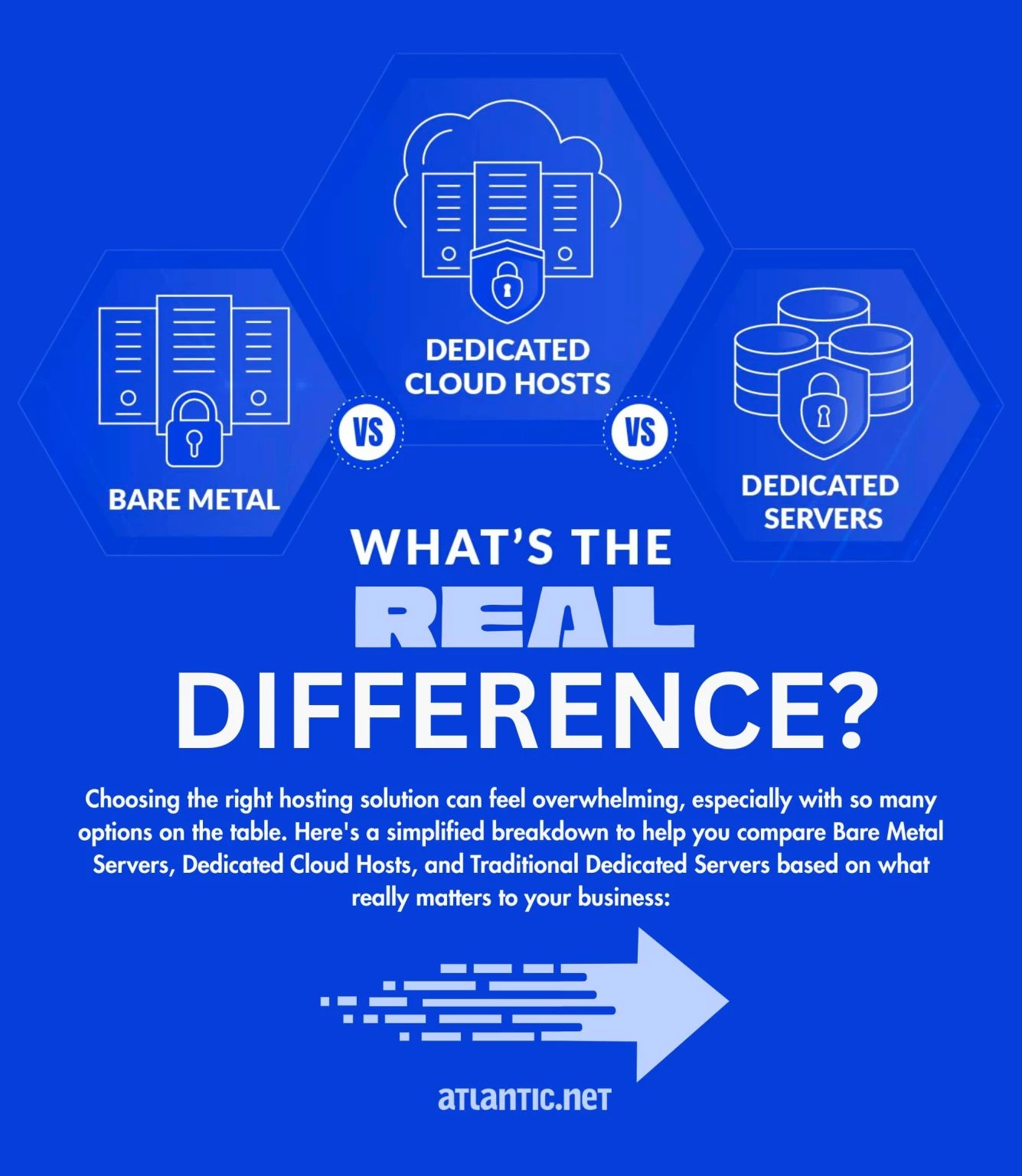
Due to being single-tenant and physically isolated, they reduce cross-tenant data exposure and allow full hardware control.
“Virtualized cloud layers are convenient, but every added abstraction increases your attack surface,” says Pete Cannata, CEO of Atlantic.Net, a leading hosting provider specializing in secure infrastructure for regulated industries.
“Bare-metal environments eliminate those layers, giving organizations direct oversight over performance, access, and compliance.”
Bare-metal configurations with NVIDIA GPUs and NVMe storage can meet demanding AI workloads while maintaining compliance with HIPAA, PCI DSS, and SOC2 standards.
By comparison, shared cloud instances use physical resources jointly, meaning your data security relies entirely on the strength of the virtualization layer rather than physical isolation.
Security-conscious enterprises are increasingly adopting hybrid setups, using cloud for scalability and bare metal for sensitive workloads.
Deploying AI Securely in 2025 and Beyond
According to IBM’s 2025 X-Force Threat Intelligence Index, credential theft has become the leading entry point for attackers, with info-stealers delivered through phishing emails surging 84% year over year.
Atlantic.Net emphasizes that AI innovation must be matched by equally advanced infrastructure design.
“AI performance means nothing if you can’t guarantee the integrity of the data powering it,” Cannata said.
“For organizations in high-risk sectors, security becomes a foundation.”
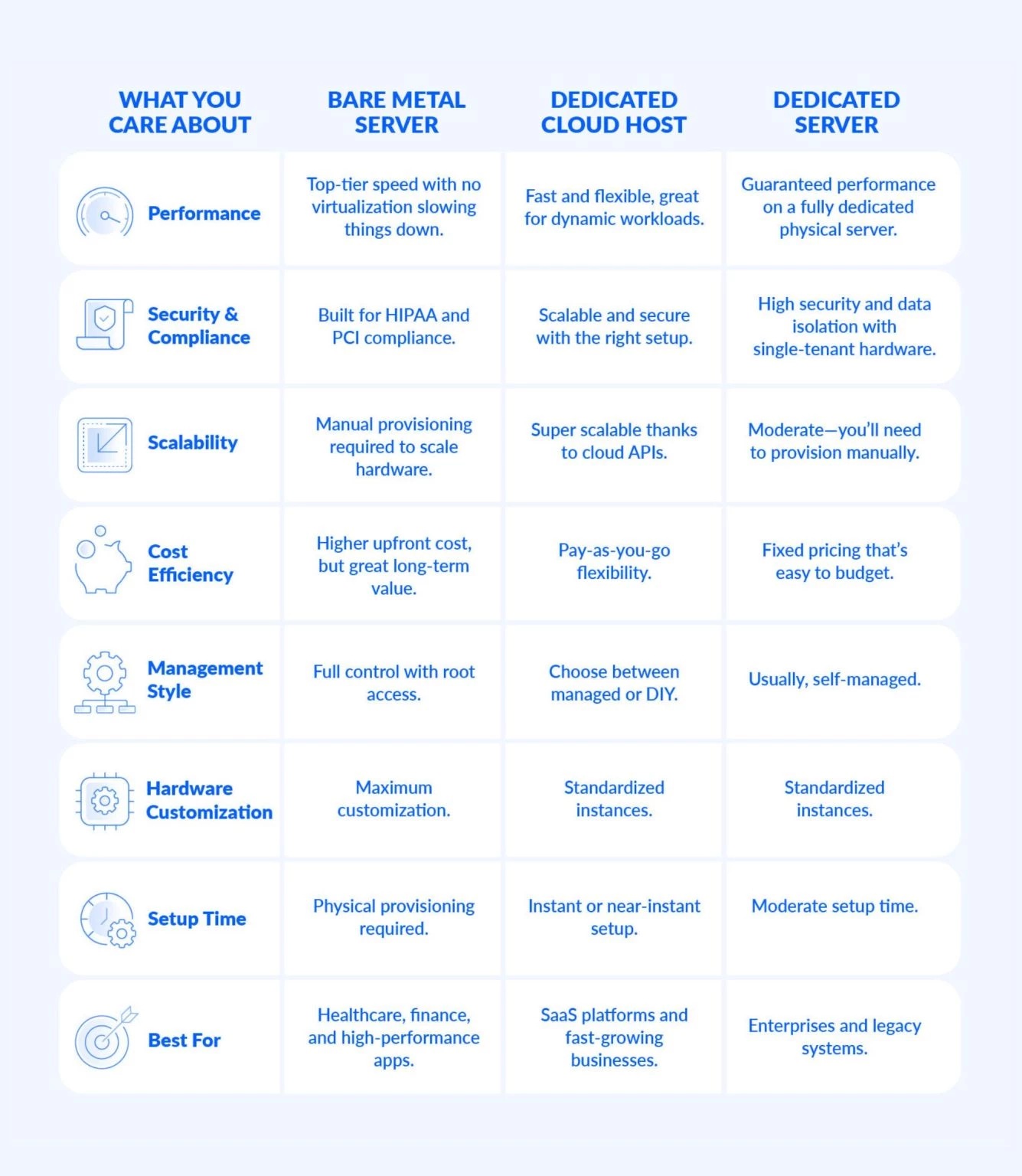
Through prioritizing dedicated hosting or bare-metal deployment for sensitive operations, companies can reduce exposure to ransomware, data leakage, and supply chain attacks.
All without compromising the compute power modern AI demands.
The Bigger Picture
As enterprises scale their AI capabilities, infrastructure strategy is becoming a brand trust issue.
Clients no longer just evaluate AI by performance but by how safely it operates.
For agencies and technology leaders, prioritizing infrastructure modernization as part of a brand’s security narrative can differentiate offerings in compliance-driven industries.
Especially through bare-metal or dedicated hosting.
In short: AI credibility begins at the hardware level.