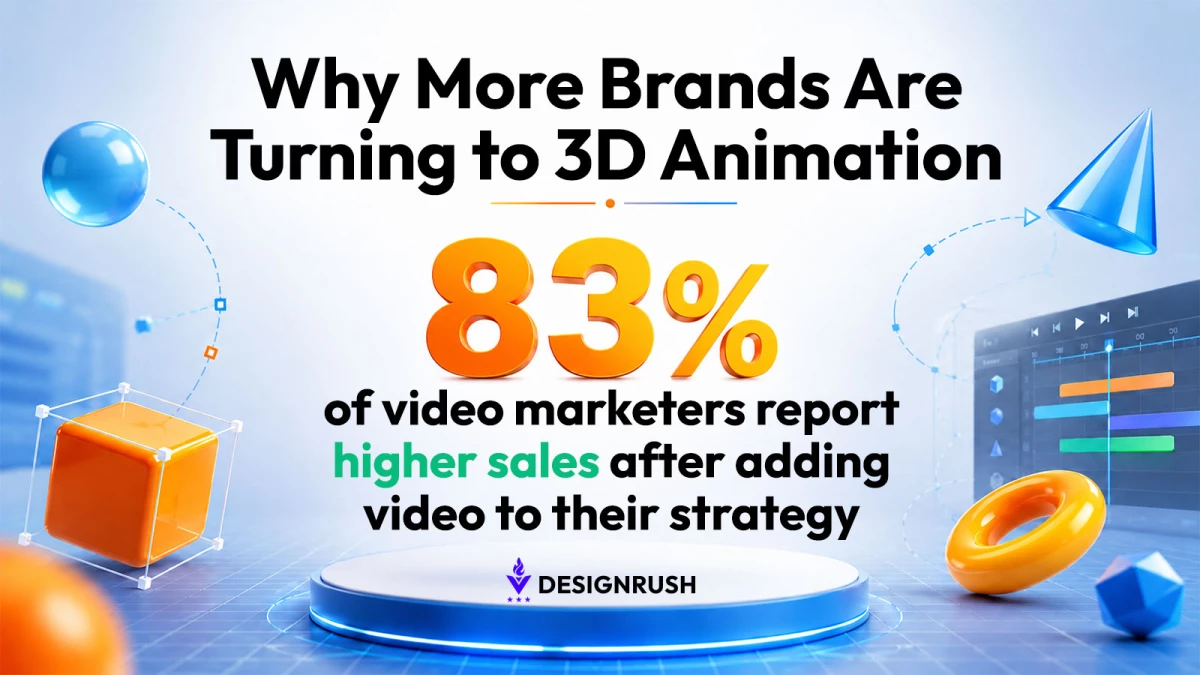

As many as 83% of video marketers report higher sales after adding video to their strategy, according to Wyzowl’s State of Video Marketing 2026 report.
Video is no longer what sets brands apart. Buyers expect to see it, and they're quick to move on when one product looks much like the next.
Working with brands across industries, full-service visual production studio Tonic has seen more businesses turn to 3D animation to explain products that photography can't fully capture, from equipment with hidden components to products that haven't yet reached production.
The studio’s founder, Ashay Kshirsagar, explains that 3D animation works best when it answers questions before buyers have a reason to ask them.
"Buying hardly ever starts with a sales call anymore," he says.
"People compare products, revisit websites, and piece together information from multiple sources before they're ready to speak to anyone. And every interaction either builds confidence or sends them somewhere else."
Why 3D Animation Goes Beyond Static Images
Photography does one job exceptionally well. It shows what's there.
The challenge, however, comes when the product's value depends on movement, interaction, or something happening beneath the surface.
Industrial equipment is a good example. A single image captures its appearance, but not the sequence of events that makes it work.
Likewise, software presents a similar problem. Screenshots show individual pages, yet they struggle to explain how someone actually moves through a task.
In both cases, buyers are left connecting the dots themselves.
Animation fills that gap. A manufacturer, for example, can introduce a product months before production begins, giving distributors and customers a realistic view of how it'll work before the first unit leaves the factory.
The use of video continues to deliver results, with the same Wyzowl report noting that 93% of marketers say video improves product understanding.
Meanwhile, 82% report visitors spend longer on webpages that include video.
Those extra moments give businesses more time to reinforce why their product is worth considering.
"One thing we've noticed is that people don't expect brands to tell them everything anymore. They expect brands to show them," Kshirsagar adds.
"The businesses doing that well are usually the ones that hold attention for longer."
Dyson shows us just how effective videos are compared to static images:
How 3D Animation Reduces Buying Risk
The bigger the investment, the more carefully people weigh their options.
That search doesn’t stop with specifications or product photos. Buyers read reviews, compare alternatives, watch demonstrations, and look for evidence that a product will perform as promised.
Animation proves its value once buyers begin weighing alternatives.
Can the equipment fit into an existing workflow? Now that's difficult to answer from a specification sheet alone, whereas watching it operate can tell buyers far more.
Consumer behavior reflects that preference, with Wyzowl also reporting that 96% of people have watched an explainer video to learn more about a product or service.
On the other hand, 87% say video has influenced a purchasing decision.
The sales conversation changes too. Instead of asking what a product does, prospective customers arrive wanting to discuss implementation, compatibility, or return on investment.
Those conversations tend to be shorter, more focused, and far more valuable.
"Good animation saves sales teams time, where buyers arrive with a much better understanding of the product, so the conversation can focus on whether it's the right fit," Kshirsagar says.
See how Siemens uses visualization to explain complex industrial systems before implementation, giving buyers a clearer understanding than static documentation alone:
Why Brands Are Investing Earlier
Businesses are no longer waiting until launch day to think about product animation.
A few years ago, animation was often commissioned once a product was ready to launch. But today, teams bring animation into the conversation much earlier.
Marketing teams are planning animation alongside product development, which equips sales teams with stronger material long before launch.
An animation created for launch doesn't stop working once the campaign ends. Months after launch, the same animation can still be supporting sales discussions before finding a place in customer onboarding.
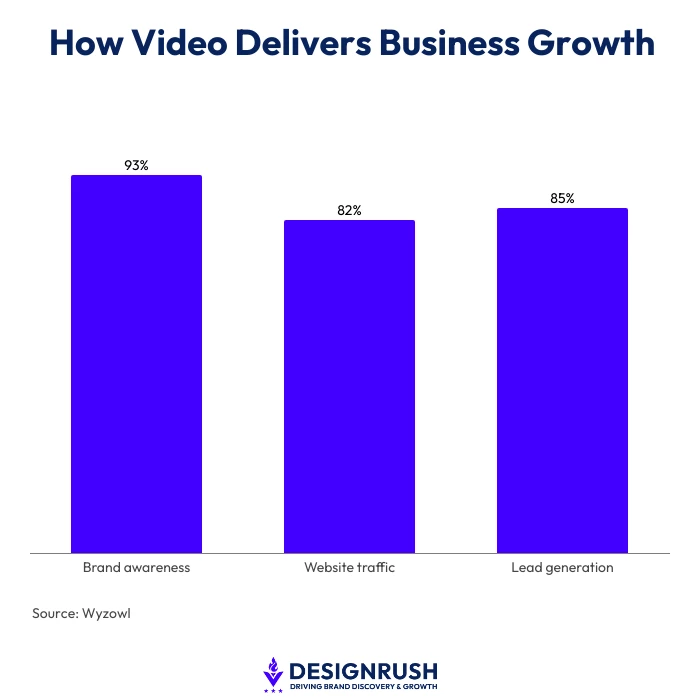
The same Wyzowl report found that 93% of marketers say video has increased brand awareness, 82% report higher website traffic, and 85% have generated more leads.
"We're seeing more clients involve animation while products are still taking shape," Kshirsagar says.
"That gives every team, from marketing through to sales, stronger material to work with long before launch day."
What This Means for Brands
Some products can be explained effectively with photography. Others depend on movement or interaction that buyers need to see. Making that distinction early helps businesses invest where animation will have the greatest commercial impact.
Longevity should be part of the brief from the outset.
A product visualization created for launch can still support sales discussions months later before becoming part of customer onboarding.
Businesses that plan for that lifecycle continue getting value from the same investment long after the original campaign ends.
Measurement deserves the same attention.
Views provide useful context, but they rarely explain commercial performance on their own.
Lead quality, shorter sales cycles, stronger product engagement, and better-informed inquiries provide a clearer picture of whether visual content is influencing buying decisions.
As investment continues to grow, businesses face a different challenge. Finding the points where visualization can have the greatest commercial impact will matter far more than simply producing more content.
"Businesses have largely settled the question of whether video belongs in their marketing strategy. The conversations we're having now focus on where visualization creates the strongest commercial return, and that's a far more valuable discussion," Kshirsagar says.