
Lead Volume vs Sustainable Growth: Key Findings
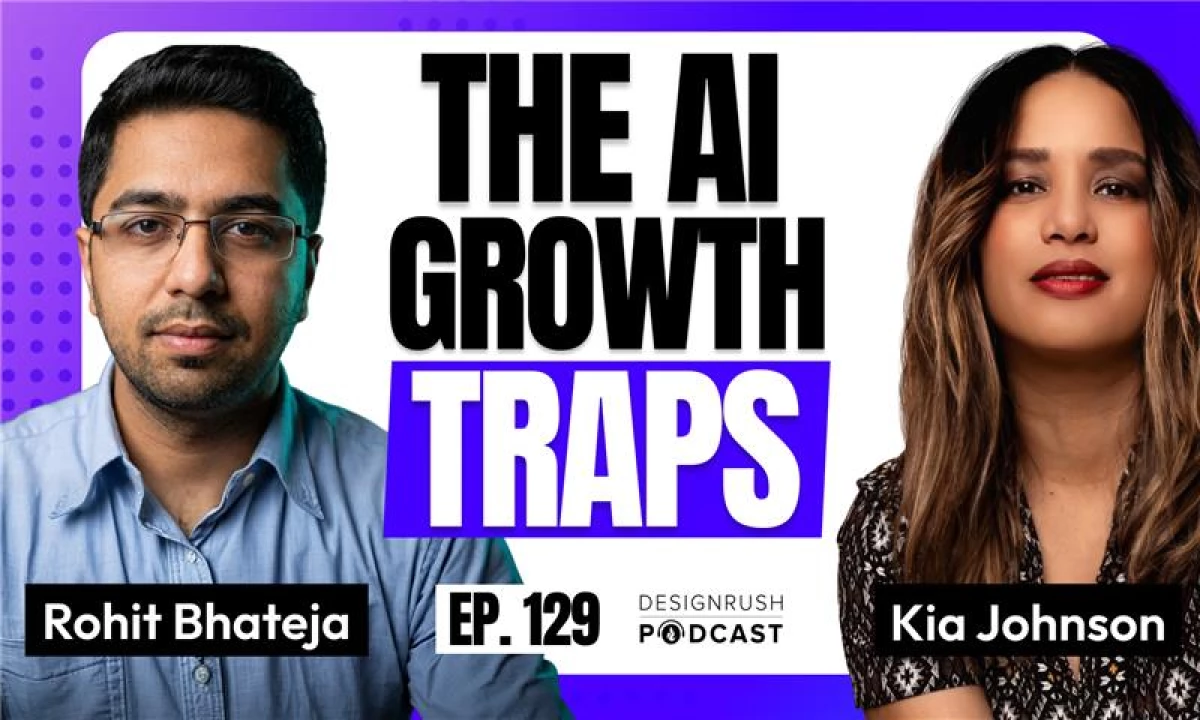
- SunTec India’s Director of Digital Engineering Services and Head of Marketing, Rohit Bhateja, joins the DesignRush Podcast to challenge one of marketing’s biggest misconceptions, that leads automatically mean more growth.
- Bhateja says that generating more demand, without ensuring operational readiness, eventually creates customer dissatisfaction and burnout.
- He notes that AI speeds up demand generation, but backend systems and team capacity lag behind.
Many marketing teams still measure success by how many leads enter the pipeline.
But according to Rohit Bhateja, Director of Digital Engineering Services and Head of Marketing at SunTec India, prioritizing lead volume alone can be problematic.
In fact, it can stunt long-term growth.
Bhateja, who manages data-enabled solutions, international marketing initiatives, and technology-driven growth systems, previously shared the same goal as many digital marketers.
“When I started, my focus was to just bring in more leads for my business as the head of digital marketing," Bhateja tells DesignRush.
I wanted to increase the number of leads incoming for my company."
Over time, however, it became clear that volume alone isn't what matters. Instead, driving growth comes down to targeting the right customers, he explains.
This is something many marketers still grapple with.
The team at SunTec India, a global IT and data services company, works to build concrete strategies for clients.
And they avoid trying to chase down every possible opportunity.
In Episode No. 129 of the DesignRush Podcast, Bhateja breaks down how they do this based on a quality-over-quantity approach to growth.
In the episode, Bhateja also explains:
- Why lead volume is easy to measure but often misleading
- The early warning signs that demand is outpacing operational capacity
- How AI amplifies demand without fixing backend infrastructure
- Why sustainable growth depends on alignment between marketing, sales, and operations
Want to scale without compromising customer experience or internal stability?
Watch the episode now on YouTube or listen on Spotify.
More Leads Don’t Mean Growth
Data shows high lead volume doesn’t guarantee revenue.
Around 71% of B2B leads never convert to closed sales, according to HubSpot’s 2025 State of Sales report.
Bhateja's seen this gap play out in his professional life.
At the start of his career, while working in digital marketing, his goal was to aim for all the leads he could.
“I wanted to increase the number of leads coming into my company," he says.
While a common mindset, Bhateja admits that at first, volume felt like progress.
“But over time, I realized that this is not just volume. It's not sustained. You need to have long-term growth driven by the right customers," Bhateja says.
From that point on, Bhateja stopped measuring success by lead volume alone.
“This shift in the mindset shaped what I am today. I approach marketing from a completely different angle," Bhateja says.
"When I started my focus, it was just to acquire leads, which has now shifted to nurturing profitable relationships, and now I'm chasing value.”
He explains that one of the main reasons companies remain stuck in volume thinking is misaligned management.
“Marketing incentives are misaligned. They are still focused on things like market-qualified leads, traffic, and conversion rates," Bhateja adds.
Not what happens after the handoff to the sales.”
The takeaway?
Lead numbers can look impressive on a dashboard. But without a clear link to revenue and long-term value, they actually say very little about real growth.
When Demand Exceeds Capacity
Bringing in a sudden surge of leads can be exciting. But volume without infrastructure creates strain beneath the surface.
“Sales teams become overwhelmed. The leads start to slip through the cracks. You will notice a drop in the quality of interactions with the prospects,” Bhateja says.
In practice, the breakdown rarely starts with revenue. More often than not, it begins with pressure inside the system.
“The sales and marketing teams keep struggling. They are just in a cutthroat competition," he says.
For businesses, that often looks like:
- A drop in the interaction quality
- Sales and marketing friction
- CRM and support systems fail to keep up
- Customer dissatisfaction
- Teams burnout
“Businesses generate demand faster than they can handle, and this all leads to a mismatch in customer expectations," Bhateja says.
And importantly, these warning signs don’t take months to appear.
“It’s not that you wait for a couple of months to get these signs; they are evident as soon as the process begins," he adds.
Are You Attracting The Wrong Customer?
When the pressure of demand builds, many companies respond by widening their reach.
“Companies attract the wrong type of businesses or end users. If a company casts a wide net to generate more and more leads, they often end up attracting people who aren't a good fit," Bhateja says.
Common reasons for this:
- Poor qualification and unclear messaging
- Wrong channel selection
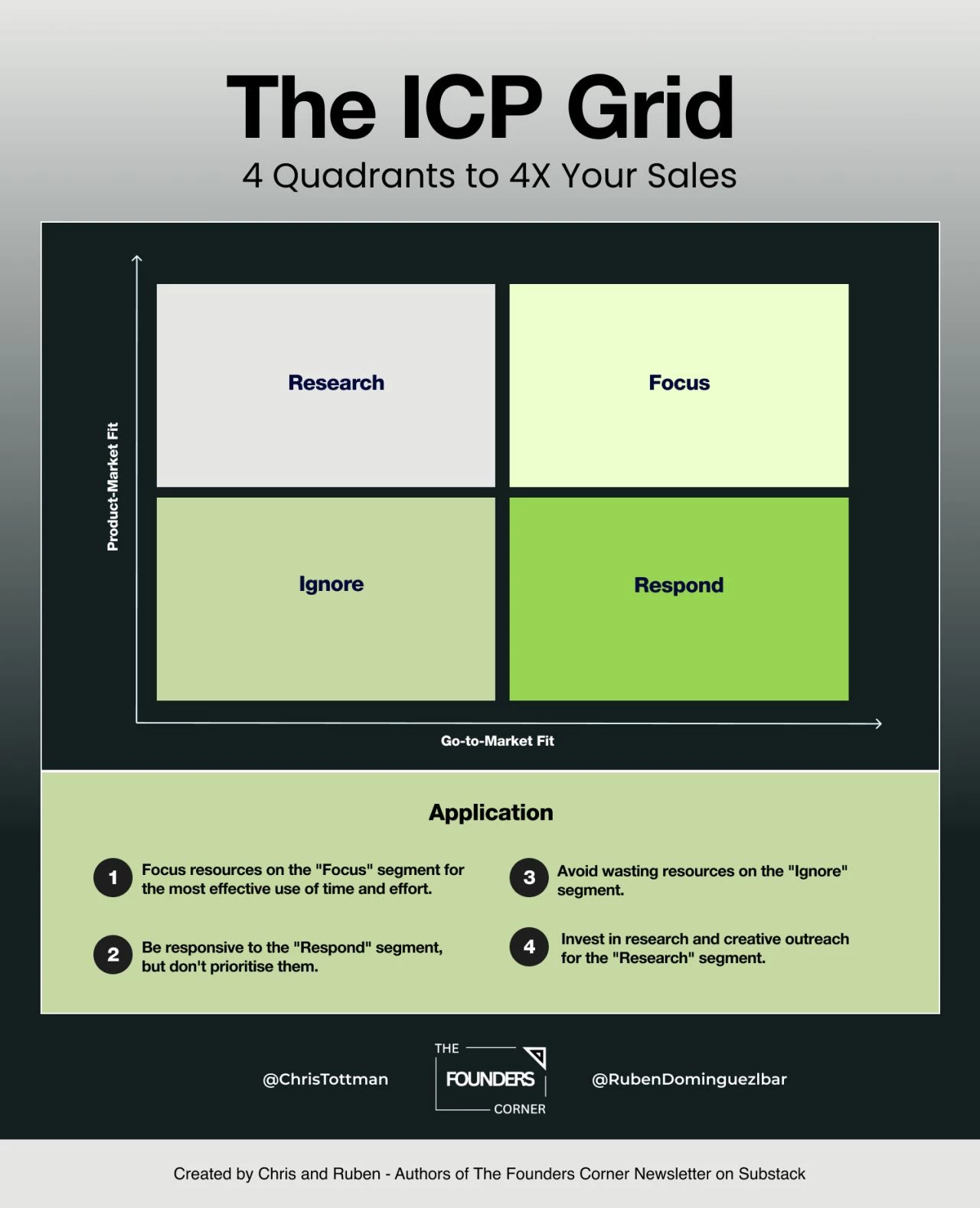
- Weak enforcement of the Ideal Customer Profile
Bhateja points out that most organizations already define their ICP.
“ICP remains very good in theory, but not followed practically," he says.
The appeal of a broader reach is strong, and theoretically, it makes sense.
But when you attract the wrong customers, you drain resources and time, and this impacts your internal alignment.
Poor targeting already puts teams under pressure. And AI can quickly make that problem worse.
AI Makes Demand Easier But Riskier
AI has lowered the barrier to generating content and campaigns.
“AI has that zeal, that energy where it makes it easier for practically anyone to generate content, generate demand, and scale it up as quickly as possible," Bhateja says.
What once took months can now be done in days, but Bhateja warns that acceleration doesn’t equal stability.
“AI might help you with the front end, but it doesn't optimize your backend," he says.
For growth, this distinction matters.
You can 10X leads.
But you can’t instantly 10X train salespeople, operational processes, governance, or security.

Who Is Rohit Bhateja?
Rohit Bhateja is Director of Digital Engineering Services and Head of Marketing at SunTec India, a global digital and technology services company serving enterprises across international markets, including the United States.
He leads marketing and digital engineering initiatives focused on data-driven growth, digital transformation, and scalable technology solutions for enterprise and mid-market clients.
Sustainable Growth Starts With Alignment
Throughout the conversation, Bhateja keeps coming back to the same idea that growth doesn’t fall apart due to a lack of tactics.
No, it falls apart when teams operate in isolation.
“We treat those departments as separate, and it feels very chaotic," Bhateja says.
Marketing pushes for leads, sales for faster closes, and operations push to manage delivery.
Skipping basic checks can sink results. Deloitte’s AI report fiasco makes that clear:
“The best companies have weekly meetings where marketing, sales ops, they review all the metrics together and then make decisions.”
That is when growth starts behaving differently.
Remember that alignment protects momentum, and capacity protects the customer experience.
Later in the episode, Bhateja moves the focus directly to the founders.
If you want sustainable growth, strengthen your foundation instead of chasing the demand first.
“They should really focus on what I mentioned: sustainable growth. They should focus on building a scalable foundation," Bhateja says.
That means balancing ambition with reality and making sure teams can deliver what marketing promises.
“We should create a culture within our teams where innovation and continuous improvement are using data, not just shooting in the dark," Bhateja says.
"Being supported by data is extremely essential.”
And this means staying flexible.
“You change your strategies weekly. All the old marketing concepts of defining long-term strategies continue to fail in the AI era," Bhateja says.
He ends where he began, with relationships.
“The survival of the fittest happens when you have the right infrastructure supporting your changing strategies, and that is nurtured by long-lasting relationships," he says.
Growth is about building something strong enough to support what is worth keeping.