
iPhone Pocket Backlash: Key Findings
- Apple's iPhone Pocket, designed with ISSEY MIYAKE, was launched at $149.95-$229.95, sparking anger over luxury pricing for its basic functionality.
- Early reactions show how price sensitivity spikes when a product sits between fashion and tech without offering clear practical gains.
- Backlash didn’t slow demand, with the iPhone Pocket selling out quickly and proving Apple’s brand power can outlast criticism.
Social media erupted this week when Apple revealed its latest product collaboration.
The tech giant's iPhone Pocket, created with Japanese fashion house ISSEY MIYAKE, hit the internet on November 11 ahead of its November 14 launch.
Instead of excitement, the overwhelming response has been swift and brutal.
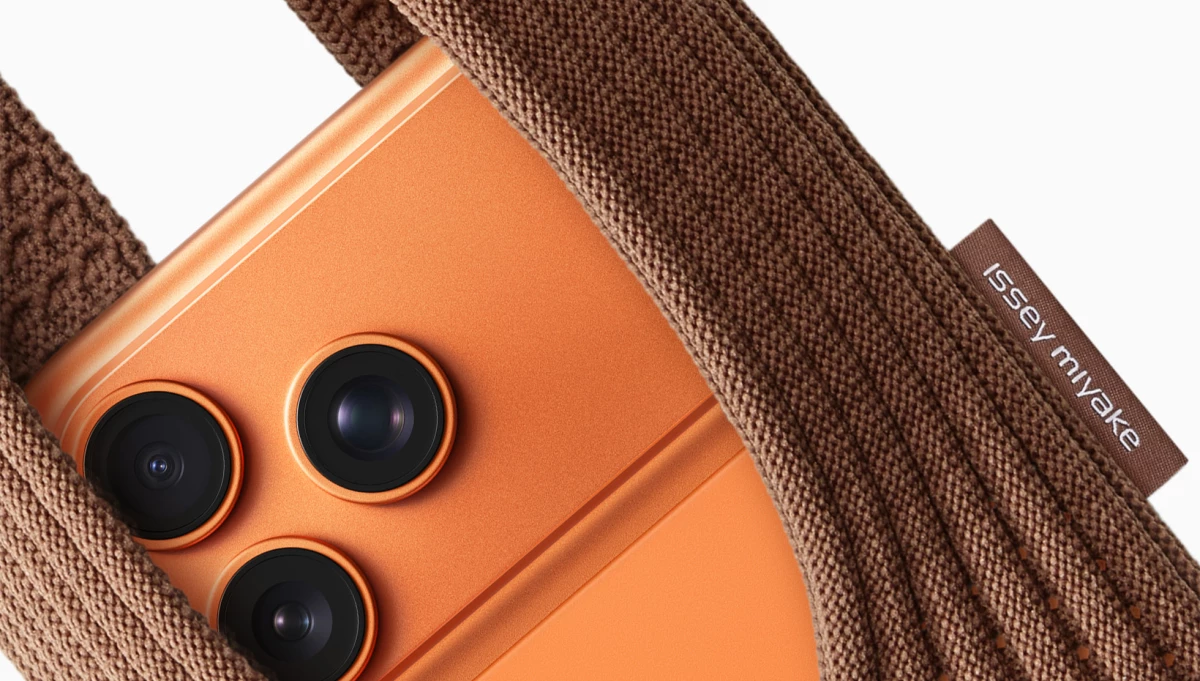
The knitted phone carrier starts at $149.95 for the short strap version and climbs to $229.95 for the long strap version.
"The design drew inspiration from the concept of 'a piece of cloth' and reinterpreted the everyday utility of the brand’s iconic pleated clothing," the news release stated.
Critics have called it a "cut-up sock" and questioned why Apple fans would pay luxury prices for what they see as an item bearing minimal functionality.
The Product That Triggered Apple's Fanbase
The iPhone Pocket features ISSEY MIYAKE's signature 3D knit design with a ribbed open structure.
It expands to fit any iPhone model and can be handheld, tied to bags, or carried on the body.
Short-strap versions come in eight colors, including lemon, mandarin, purple, pink, peacock, sapphire, cinnamon, and black.
The iPhone pocket everybody. $230 for a cut up sock. Apple people will pay anything for anything as long as it’s Apple. pic.twitter.com/wRtQKBzoqt
— Bently (@bentlyhasfallen) November 12, 2025
Long-strap options offer sapphire, cinnamon, and black.
However, Apple fans have been less focused on the item's craft and more on its steep price tag.
Critics have also pointed out the lack of structure and durability for a $230 price point.
Apple’s pricing may have sparked outrage, but the rapid sell-out shows how brand power can sometimes override practicality.
iPhone Pocket released today and already SOLD OUT!🧣 pic.twitter.com/hEUbP2eGTB
— EverydayiTech (@EverydayiTech) November 14, 2025
To top things off, people have been even angrier after discovering the fashion house's connection to Steve Jobs.
ISSEY MIYAKE is famously known for having designed Jobs' iconic black turtlenecks, leaving the potential for this collaboration to feel symbolic.
A reaction like this suggests that even contentious products can hold cultural momentum when a brand’s identity carries enough weight.
However, always relying on this dynamic also risks eroding long-term trust.
Why Tech-Fashion Pricing Creates Friction
The iPhone Pocket controversy reveals deeper tensions in luxury tech accessories.
According to Statista, the global accessories market is worth $702.19 billion in 2025, but consumer expectations vary wildly between categories.
Fashion accessories are growing at 8.1% annually, with luxury items commanding premium prices for design and status.
Meanwhile, mobile phone accessories prices average $30-50 for functional items such as cases and chargers.
This means that Apple's attempt to bridge these worlds hits a fundamental disconnect.
Posts from the applesucks
community on Reddit
Luxury branding typically charges for aesthetic value and prestige, while tech accessories justify cost through protection and functionality.
In the case of the iPhone Pocket, it sits awkwardly between both.
It offers neither the durability that tech users expect nor the transformative design that fashion buyers look for.
For those exploring brand collaborations, the iPhone Pocket controversy offers some important lessons.
- Premium pricing needs clear value. High costs must be backed by usefulness, craftsmanship, or a purpose audiences can recognize instantly.
- Heritage cues only resonate if the product holds up. Nostalgia falls flat when expectations aren’t met.
- Core audiences ultimately set the price ceiling. Loyalty fades quickly when value feels uncertain.
These dynamics show how even the world's most well-loved brands can still receive backlash for an impractical product release.
Our Take: Did Apple Test Its Loyalty Too Far?
I think that Apple pressed its luck, and the reaction shows the limits of brand loyalty.
The iPhone Pocket became a stress test for how far brand devotion can stretch.
Fans mocked the price, questioned the purpose, and pushed back harder than usual.
Yet the product still sold out within hours, proving that backlash and demand can coexist when a brand holds enough cultural pull.
But I believe rapid sell-through doesn’t erase the fact that many felt the price crossed into exploitation.
Apple hit a nerve, and the reaction suggests that premium pricing still needs substance, even for a company used to pushing the edges of its devoted base.
In other news, the tech giant's latest Mac campaign shows the brand still knows how to tell human stories.
Want to navigate the tricky balance between innovation and pricing strategy?
Explore top digital agencies that understand how to position bold product launches without alienating your core audience.